If you’re planning a stock tank cold plunge, you’ll want a durable tank sized for comfortable immersion, a safe location with drainage and nearby power, and a simple plan for insulation, cover, and temperature control; you’ll also need filtration, sanitation, and non-slip safety features to keep the water healthy and users secure, plus a maintenance routine and budget for seasonal adjustments — and once you sort those basics, you’ll be ready to choose the specific components that fit your goals.
Key Takeaways
- Choose a durable tank (galvanized, rotomolded, or stainless) sized for comfortable entry/exit and inspect seams and finishes.
- Place the tank on a level, well-drained surface near power and water lines, with shelter from wind and debris.
- Install a filtration/sanitation system (cartridge, sand, UV/ozone or appropriate sanitizer) and test pH/sanitizer regularly.
- Provide safety features: non-slip surfaces, sturdy handrail, gradual steps or transfer bench, and adequate lighting.
- Budget for upfront (tank, cover, filter, insulation) and ongoing costs (electricity, chemicals, maintenance, winterization).
Choosing the Right Stock Tank
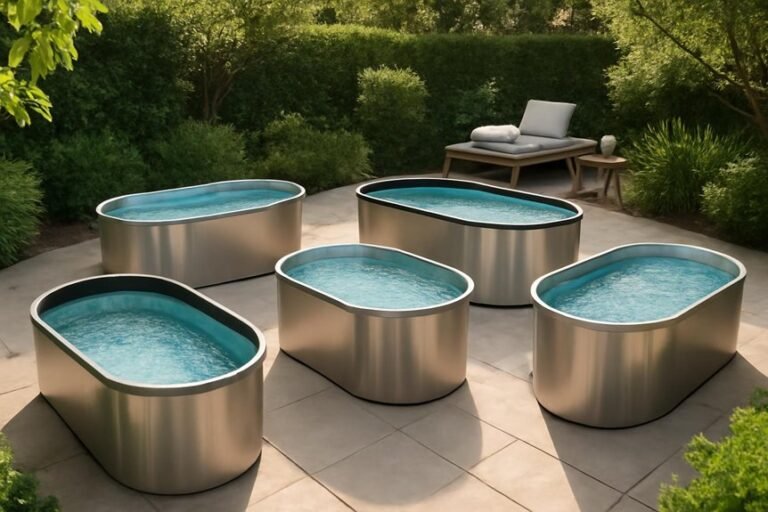
When choosing a stock tank for your cold plunge, focus first on size, material, and durability so the tank meets your practical needs and lasts through regular use. You’ll want a tank that fits your body comfortably while allowing easy entry and exit; measure available space and pick a capacity that balances immersion depth with water volume. Galvanized steel tanks are common and affordable, but consider rotomolded polyethylene or stainless steel if corrosion resistance and longevity matter more. Check seams, fittings, and the finish for defects, and prefer UV-resistant or powder-coated surfaces to resist weathering. Think about weight when filled, portability if you plan to move it, and compatibility with covers and insulation to improve thermal efficiency.
Location, Plumbing, and Power Considerations
When picking a location for your stock tank cold plunge, you’ll want a level, accessible spot with good drainage and enough room for maintenance and safe entry. Consider water supply options—hose fill, gravity feed, or a dedicated line—and plan plumbing so you can easily drain, filter, and top up without leaks or contamination. Finally, check electrical needs early, because heaters, pumps, and timers may require GFCI-protected circuits, proper amperage, and a licensed electrician for safe installation.
Choosing the Spot
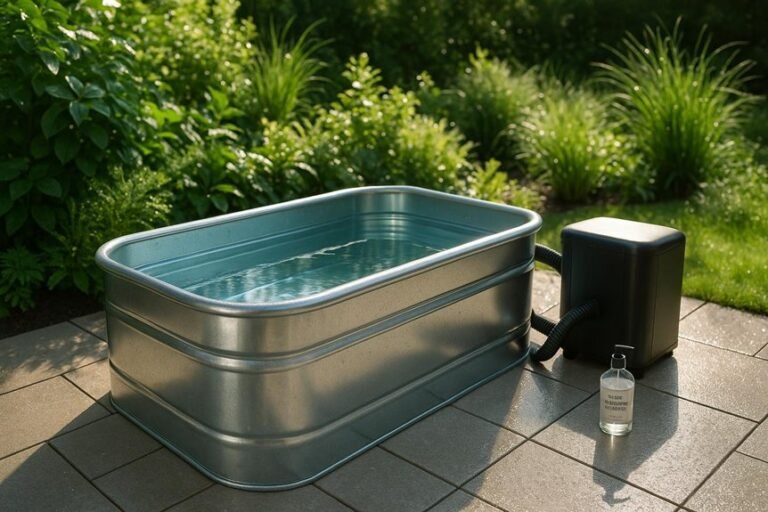
Before you set the tank in place, think through the practical needs of location, plumbing, and power so the installation goes smoothly and safely: choose a level, structurally sound surface that can bear the filled tank’s weight and give you easy access for getting in and out, plan plumbing runs that minimize long, exposed pipe runs and permit proper drainage, and verify power availability for any chiller, pump, or heater with the correct voltage, amperage, and GFCI protection. Choose a spot with shelter from direct sun and prevailing wind to reduce heat gain and debris, while keeping nearby access for maintenance tools and hoses. Consider setback from walls to prevent moisture damage, lay out routing for waste and overflow to suitable drains, and confirm electrical outlets meet code.
Water Supply Options
Although the exact water source you choose will depend on your site’s layout and local regulations, planning this early will save time and headaches later, since plumbing and power choices determine how convenient, economical, and safe your plunge will be. Choose a location near a reliable cold-water supply to reduce piping length and heat gain; outdoor taps, garden hoses, or a dedicated line all work if local codes allow. Plan plumbing with accessible shutoffs and a simple drain route for regular water changes, using materials rated for outdoor use and freezing conditions. Consider water pressure for filling speed and the need for a pressure regulator or backflow preventer. Finally, place the tank so power runs for pumps are short and protected.
Electrical and Heater Needs
Because your plunge’s electrical and heating setup determines both safety and usability, you’ll want to plan location, plumbing, and power together rather than as separate items. Choose a flat, sheltered spot near a dedicated electrical circuit to minimize cord runs and reduce tripping hazards; outdoor-rated GFCI protection is essential. If you add a heater, match its voltage and amperage to your panel capacity and have a licensed electrician install proper breakers and wiring. Plan plumbing so water damage risk is low: position drains, use flexible, insulated hoses, and incorporate shutoff valves for maintenance. Consider combining a small inline heater with circulation for temperature control, or rely on passive cooling if you prefer simplicity. Document specs and permits to stay compliant and safe.
Insulation, Covers, and Temperature Control
Insulating your stock tank and choosing the right cover and temperature control method will cut heat loss, lower operating costs, and make cold plunges more consistent and comfortable; you’ll want materials and strategies that work together rather than competing. Start by adding closed-cell foam or rigid foam board under and around the tank to reduce conductive heat transfer, and seal gaps with weatherproof tape or spray foam to stop drafts. Use an insulated, snug-fitting cover—rigid lid or thick floating blanket—to minimize evaporation and radiant loss between sessions. For active control, install a reliable thermostat linked to a chiller or immersion circulator, set with a small hysteresis to avoid frequent cycling. Monitor temperature with a calibrated probe and log readings so you can fine-tune insulation and control for steady performance.
Filtration, Sanitation, and Water Care
You’ll want to balance filtration, sanitation, and routine water care to keep your stock tank cold plunge safe and clear. Compare filtration options like cartridge, sand, and pump-driven setups, weigh sanitizer choices such as chlorine, bromine, or mineral systems, and decide which fits your budget and maintenance preferences. Then set a simple maintenance schedule—testing pH and sanitizer levels, backwashing or replacing filters, and doing periodic water changes—to prevent problems before they start.
Filtration System Options
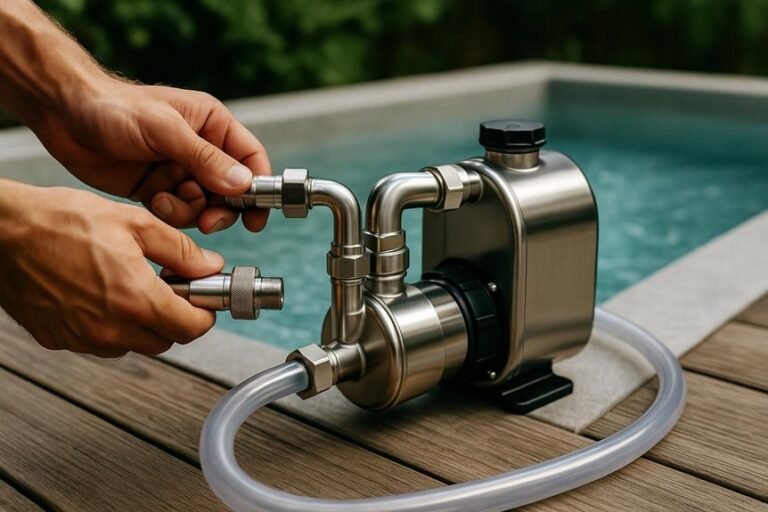
When planning your stock tank cold plunge, selecting the right filtration and sanitation system is as important as choosing the tank itself, since clean, balanced water keeps the plunge safe, comfortable, and low‑maintenance. You’ll choose between cartridge, sand, and media filters; each captures particulates differently, so match flow rate and micron rating to your tank size and pump capacity. Consider a separate skimmer or prefilter to reduce load on the main unit, and pick housings compatible with cold temperatures and occasional winterization. For biological control, pair mechanical filtration with a UV clarifier or ozone if you want reduced chemical reliance, but install them properly to protect plumbing and electrical meets. Plan regular backwashing, cartridge cleaning, and easy access for routine service to keep performance consistent.
Sanitizer Choices Comparison
Because clean water is the foundation of a safe, comfortable cold plunge, choosing the right sanitizer matters as much as your filter and pump; you’ll weigh effectiveness, cost, maintenance frequency, and swimmer comfort when comparing options like chlorine, bromine, biguanide, mineral systems, UV, and ozone. Chlorine is cheap, fast-acting, and widely available, though it can irritate skin and eyes and requires regular monitoring. Bromine is gentler on skin and stable at warm temperatures, but it’s pricier. Biguanide avoids halogens and odor, yet it needs compatible products and careful dosing. Mineral systems reduce chemical demand and feel softer, while UV and ozone provide residual-free disinfection that complements, rather than replaces, a low-level sanitizer. Match choice to usage, budget, and personal sensitivity.
Routine Water Maintenance
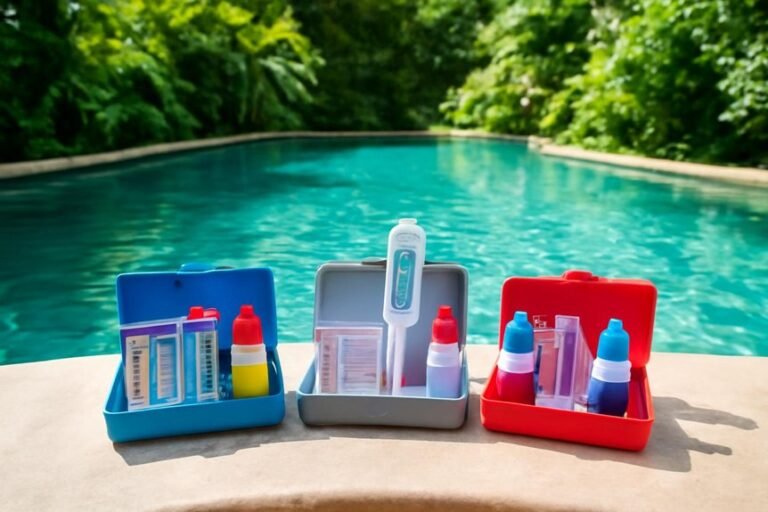
After you’ve picked a sanitizer that fits your budget and sensitivity, set up a routine that combines proper filtration, consistent sanitizer dosing, and regular water care so the plunge stays safe and comfortable over time. Clean or backwash the filter weekly, and replace cartridge elements per manufacturer guidance to remove debris and particulates that shelter bacteria. Test sanitizer and pH levels before each use with test strips or a digital tester, adjusting as needed to keep free chlorine or bromine and pH in recommended ranges. Shock the water periodically to break down organic load, and skim and vacuum to remove surface oils and sediment. Drain and refill the tank every few months, inspect seals and fittings, and log maintenance to track patterns and troubleshoot issues promptly.
Safety, Accessibility, and Comfort Features
While you plan the layout and features of a stock tank cold plunge, remember that safety, accessibility, and comfort are just as important as temperature control and filtration. Install non-slip surfaces around the tank and add a sturdy, corrosion-resistant handrail to reduce fall risk when entering or exiting; good lighting and clear sightlines further prevent accidents. Provide a gradual step or platform so users of varying mobility can enter comfortably, and consider a transfer bench or removable ramp if someone needs extra assistance. For comfort, include insulated seating or a contoured ledge, quick-drying, antimicrobial cushions, and a nearby towel rack or heated drying area. Post clear usage guidelines and emergency contact info, and make certain electrical components are GFCI-protected and sited well away from splashing water.
Budgeting, Maintenance, and Seasonal Tips
When you’re planning a stock tank cold plunge, set a realistic budget that covers upfront costs, ongoing maintenance, and seasonal changes so you won’t be surprised by hidden expenses later. Account for the tank, insulation, cover, filtration or chlorination system, heater for winter use if needed, and delivery or installation fees. Plan monthly costs for electricity, chemicals, and occasional water replacement, and set aside a small emergency fund for repairs. Establish a maintenance routine: test water regularly, clean filters, inspect seals, and winterize exposed plumbing to prevent freezing. Seasonally, adjust chemical dosing, add insulation or a floating cover in colder months, and reduce exposure when algae risk rises in warm weather. Track expenses to refine your budget over time.
FAQ
Can I Use Salt Water or Epsom Salts in a Stock Tank Plunge?
Can I use regular saltwater in my stock tank plunge?
No, regular saltwater should not be used long-term as it can corrode metal parts, damage fittings, and disrupt the filtration system.
Is it safe to use Epsom salts in my stock tank plunge?
You can add Epsom salts occasionally for soaking, but avoid frequent use to prevent potential damage. Always rinse components after treatment to minimize any adverse effects.
What are the risks of using salt in my stock tank plunge?
Using salt, whether regular or Epsom, can lead to corrosion of metal, damage to fittings, and issues with the filtration system, which could result in costly repairs.
How Long After Filling Should I Wait to Ice the Plunge?
FAQ: How long should I wait before icing the plunge after filling?
You can ice the plunge as soon as the water reaches the fill level. Ensure that any added chemicals have circulated and stabilized, which typically takes about 30–60 minutes.
FAQ: What should I do if I added chlorine or shock?
If you used chlorine or shock, wait until the chemical levels are safe according to test strips before icing. This ensures the safety and effectiveness of the water.
FAQ: How can I check if the chemical levels are safe?
Use test strips to measure the chemical levels in your plunge. Follow the manufacturer’s guidelines for safe levels before proceeding with icing.
Can Pets or Children Safely Share the Plunge With Adults?
FAQ: Can young children safely share the plunge with adults?
No, young children should not share the plunge with adults. Strict supervision is necessary, and age-appropriate temperature limits as well as short exposure times should be enforced.
FAQ: Are pets allowed to join adults in the plunge?
Generally, pets should not share the plunge with adults. Their safety and comfort must be prioritized, and exposure to high temperatures can be harmful to them.
FAQ: What precautions should be taken for vulnerable individuals in the plunge?
Vulnerable individuals, such as those with medical conditions, should obtain medical clearance before entering the plunge. Close supervision and appropriate exposure limits are essential for their safety.
Are There Recommended Brands for Cold-Weather Stock Tanks?
What are some recommended brands for cold-weather stock tanks?
Brands like Rubbermaid, Arctic Tubs, and Glacier Tanks are highly recommended for cold-weather stock tanks. They are designed for freezing climates and constructed with thicker polyethylene or insulated walls to withstand harsh conditions.
What features should I look for in a cold-weather stock tank?
When selecting a cold-weather stock tank, look for features such as insulated walls and compatibility with heaters or covers. These elements help prevent ice formation and reduce heat loss, ensuring your livestock has access to water year-round.
How do I prevent ice from forming in my stock tank during winter?
To prevent ice formation in your stock tank, consider using heaters or insulated covers. Many of the recommended brands provide options that work well with these accessories to maintain liquid water even in freezing temperatures.
Will My Home Insurance Cover Liability for a Backyard Plunge?
FAQ: Will my home insurance cover liability for a backyard plunge?
Probably not automatically. You’ll need to review your specific policy to determine if it includes coverage for backyard activities like a plunge.
FAQ: What additional coverage might I need for a backyard plunge?
Your insurer may require rider coverage, additional safety measures, or higher liability limits to ensure you’re protected. It’s essential to discuss these options with your provider.
FAQ: How can I prepare for potential liability issues related to a backyard plunge?
Document any safety precautions you implement, such as barriers or signage. This evidence can be helpful when discussing your coverage needs with your insurer.
Final Thoughts
You’ve got the essentials to plan and build a safe, efficient stock tank cold plunge: pick a durable tank sized for users, site it with drainage and power access, and add insulation, a snug cover, and precise temperature control. Set up filtration and sanitation routines, include non-slip surfaces and handrails, and add seating for comfort. Budget for installation and seasonal upkeep, monitor water quality regularly, and adjust procedures as conditions or usage change.