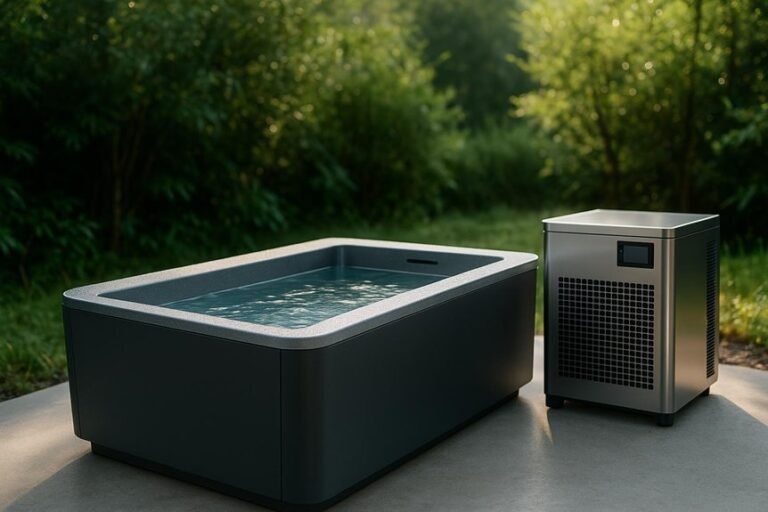
You can use a cold plunge to build mental resilience by exposing yourself to brief, controlled stress that sharpens focus and trains your nervous system to recover faster. Start slowly with short immersions, pair them with steady breathing, and track how your mood, heart rate, and tolerance change over weeks. Follow safety precautions and adjust intensity as you adapt; with consistent practice you’ll notice clearer thinking and stronger stress control—and there’s more to learn about getting the protocol right.
Key Takeaways
- Start with brief, tolerable exposures (30–60 seconds) and increase duration by 15–30 seconds as your comfort and response improve.
- Use controlled breathing (slow inhales, longer exhales) to manage the shock response and maintain focus during immersion.
- Frame sensations with positive self-talk and visualize warmth returning to reappraise discomfort as temporary growth.
- Track objective metrics (time, temperature, heart rate) and subjective outcomes (mood, resilience) to monitor progress and adapt.
- Prioritize safety: screen for cardiovascular risk, warm up gradually, and stop for warning signs like chest pain or faintness.
Why Cold Exposure Helps the Brain and Nervous System
Because sudden cold triggers a coordinated physiological response, a cold plunge can quickly influence both your brain and nervous system in measurable ways. You’ll notice immediate shifts: peripheral blood vessels constrict, heart rate changes, and your sympathetic nervous system activates, releasing norepinephrine and boosting alertness. That neurochemical surge can sharpen focus, improve mood, and reduce the perception of pain through endogenous opioid and monoamine pathways. Repeated, controlled exposure appears to enhance autonomic regulation, increasing heart rate variability and strengthening stress resilience over time. Cold contact also stimulates sensory pathways to the brainstem and hypothalamus, refining thermoregulatory and emotional processing circuits. By integrating cold plunges with mindful breathing and gradual progression, you can harness these adaptations to support cognitive clarity and emotional stability without relying on excessive stimulation.
Safety Guidelines and Medical Precautions
Before you start cold plunges, get a basic health screening — check blood pressure, heart health, and any conditions that could raise risk, and consult your clinician if you have concerns. Begin with a gradual exposure protocol, shorter and milder sessions that you increase slowly so your body can adapt without undue stress. Learn to recognize danger signs like chest pain, severe shivering, confusion, or fainting, and stop immediately if they occur, seeking medical help when needed.
Pre-Screening Health Checks
How do you know if a cold plunge is safe for you? Start with a brief self-assessment: note any heart disease, high blood pressure, respiratory issues, diabetes, Raynaud’s, or history of fainting. These conditions raise risk during sudden cold exposure. Schedule a medical checkup if you have ongoing health concerns or take cardiovascular or blood-thinning medications; your clinician can advise specific limits and testing, like stress or ECG when indicated. Ask about medication interactions that affect your response to cold. If you’re pregnant, consult your obstetrician. Be honest about tobacco, substance use, and recent surgeries. Document any symptoms—chest pain, dizziness, palpitations—and stop immediately if they occur. Proper pre-screening reduces risk and lets you pursue cold plunges confidently.
Gradual Exposure Protocol
A gradual exposure protocol helps you build tolerance safely, letting your body and mind adapt to cold over time rather than forcing sudden extremes. Begin with short, milder exposures—cool showers or brief dips around 30–60 seconds—three times a week, and increase duration by 15–30 seconds as you feel comfortable. Add one variable at a time: lower temperature, longer time, or more frequent sessions, so you can monitor responses and adjust. Always warm up slowly afterward with dry clothes and gentle movement, and never push through intense shivering, chest pain, or dizziness. If you have heart, respiratory, or circulatory conditions, consult a clinician before progressing. Keep a training log to track sensations, duration, and any medical advice you receive for safer, steady advancement.
Recognize Danger Signs
Now that you’ve built tolerance through gradual exposure, you’ll need to recognize when a cold plunge or chilly exposure is crossing from challenging into unsafe. Pay attention to warning signs: persistent numbness, pins-and-needles that don’t fade, severe shivering that impairs movement, chest pain, dizziness, confusion, or difficulty breathing. If your lips, fingers, or toes go white or hard, get out immediately and warm gradually. People with heart disease, uncontrolled high blood pressure, or Raynaud’s should consult a clinician before starting; medications and certain conditions amplify risk. Always have a partner nearby for early assistance, set a conservative time limit, and monitor your response during the first sessions. When in doubt, prioritize safety—stop the session and seek medical advice if symptoms persist or worsen.
How to Start: Progressive Cold-Plunge Protocols
Before you jump into full cold plunges, build a progressive protocol that eases your body and mind into the stressor, because gradual exposure reduces shock and improves adaptation. Start with cold showers several times a week, ending with 30–60 seconds of colder water, then increase duration as you feel comfortable. Next, use a basin or tub for seated immersions at milder temperatures, aiming for 2–3 minutes and adding 30–60 second increments across sessions. Track your responses—heart rate, shivering, mood—and pause increases if recovery dips or symptoms worsen. Plan sessions 2–4 times weekly, allowing rest days for adaptation. Consult a physician if you have cardiovascular or respiratory concerns, and always have a sober partner nearby when trying deeper plunges.
Breathwork and Mindset Techniques During Cold Exposure
Breathwork and mindset become your most reliable tools once the cold bites, guiding physiological responses and shaping how you interpret the sensation; deliberate breathing calms the sympathetic surge, while intentional cognitive framing reduces panic and builds resilience. Start with slow, measured inhales through the nose and longer exhales through the mouth, which lowers heart rate and anchors attention. Counted breathing—four seconds in, six out—helps you maintain rhythm when the shock arrives. Pair this with clear self-talk: name sensations, remind yourself they’re temporary, and set small goals like “I’ll stay for one full breath cycle.” Visualize warmth returning after the plunge to reframe discomfort as purposeful stress. Practice these techniques outside the tub so they’re automatic when you step into cold water.
Integrating Cold Plunges Into a Daily Resilience Routine
When you make cold plunges a daily habit, they become more than a single shock to the system—they turn into a structured practice that primes your physiology and sharpens mental habits over time. Start by setting a consistent time, whether morning to energize or evening to reset, and commit to a brief, manageable duration that you can sustain. Pair the plunge with a short pre- and post-routine—breathwork, focused intention, and gentle warm-up movements—to anchor your attention and reduce risk. Track how the ritual fits into your day, adjust duration incrementally, and prioritize safety: know limits, avoid excessive exposure, and consult a clinician if you have health concerns. Over weeks, this steady pattern builds discipline, reduces stress reactivity, and supports clearer focus in daily challenges.
Measuring Progress: What to Track and Expect
To gauge real progress with cold plunges, you should track both objective markers and subjective experiences, because changes show up on multiple levels and at different rates. Record objective data like session duration, water temperature, and heart rate before and after the plunge; these measurable trends show physiological adaptation. Note subjective measures too: perceived stress, mood, focus, sleep quality, and how quickly you recover from discomfort. Use a simple daily log or app, and review weekly and monthly patterns rather than day-to-day noise. Expect gradual improvement—longer tolerance, calmer breathing, clearer thinking—while knowing setbacks are normal. Celebrate small wins, adjust goals based on evidence, and pair this tracking with consistent practice to make resilience gains visible and sustainable.
Troubleshooting Common Challenges and Plateaus
Although progress often comes in fits and starts, you can usually overcome common cold-plunge challenges by diagnosing the specific barrier and applying targeted adjustments; this approach helps you avoid frustration and keeps gains steady. If discomfort spikes, check water temperature, shorten immersion, and focus on breathing to restore control. When motivation wanes, set small, measurable goals and schedule sessions with accountability—consistency beats occasional extremes. If progress plateaus, vary duration, add contrast therapy, or increase frequency gradually to reintroduce stimulus. Watch for signs of overtraining: persistent fatigue, poor sleep, or mood shifts mean you should reduce exposure and prioritize recovery. Finally, log sessions and subjective responses so you can identify patterns and make evidence-based tweaks that keep you moving forward.
FAQ
Can Cold Plunges Affect Sleep Quality Long-Term?
1. How do cold plunges affect sleep quality?
Regular cold plunges can lead to improved sleep quality by lowering nighttime core temperature, which helps facilitate deeper sleep.
2. Can cold plunges reduce stress and improve sleep?
Yes, cold plunges can reduce stress levels, contributing to better sleep quality by promoting relaxation and calmness before bedtime.
3. Is there a specific time to take cold plunges for better sleep?
Timing can impact sleep benefits, so it’s important to monitor individual responses to determine the best time for cold plunges to enhance sleep quality.
Will Cold Exposure Interfere With Other Recovery Methods?
FAQ: Can I use cold exposure after strength training?
It’s best to wait before using cold exposure after heavy strength sessions. Plunging into cold water immediately can impair muscle repair, so timing is crucial.
FAQ: How should I incorporate cold exposure with other recovery methods?
You can combine cold exposure with other recovery methods effectively if you time them appropriately. Prioritizing sleep, nutrition, and active recovery can enhance overall recovery.
FAQ: What should I prioritize for recovery alongside cold exposure?
When using cold exposure, make sure to prioritize sleep, proper nutrition, and active recovery methods. These elements are essential for optimal muscle repair and recovery.
Can I Combine Cold Plunges With Sauna Sessions Safely?
Can I safely alternate between cold plunges and sauna sessions?
Yes, you can safely alternate between cold plunges and sauna sessions if you do so gradually. It’s important to listen to your body and stop if you feel dizzy or unwell.
What precautions should I take when combining cold plunges and sauna sessions?
Stay hydrated and monitor your heart rate and breathing during the process. Avoid extreme temperatures and give your body time to adjust between sessions.
Should I consult a doctor before starting cold plunges and sauna sessions?
Yes, it is advisable to consult your doctor, especially if you have any underlying health conditions or concerns about the risks associated with temperature extremes.
Do Cold Plunges Impact Hormone Levels or Fertility?
Do cold plunges affect hormone levels?
Short-term cold plunges can temporarily increase adrenaline and decrease testosterone levels briefly. However, these changes are usually not significant enough to cause long-term hormone imbalances.
Can cold plunges impact fertility?
Generally, cold plunges do not harm long-term fertility. While there may be short-term hormonal fluctuations, regular intense exposure is not likely to affect overall reproductive health.
Should I consult a doctor before starting cold plunges?
If you have existing health concerns or underlying issues related to hormone levels or fertility, it’s advisable to consult with your doctor before incorporating regular cold plunges into your routine.
Are There Optimal Temperatures for Age Groups?
FAQs on Optimal Temperatures for Different Age Groups
1. What temperature range is best for younger adults?
Younger adults typically tolerate temperatures between 10–15°C. It’s important to start with a milder temperature and monitor their comfort level.
2. What temperature should middle-aged adults aim for?
Middle-aged adults generally prefer temperatures around 12–14°C. Adjustments should be made based on individual comfort and health factors.
3. What is the ideal temperature for older adults?
Older adults usually prefer temperatures between 15–18°C. Always consider personal health conditions and consult with a clinician if there are any concerns.
Final Thoughts
You’ll build resilience by starting safely, progressing gradually, and using breathwork to stay composed during each plunge; track your durations, sensations, and recovery to spot improvements and adjust protocols. If medical issues arise, pause and consult a clinician. Over weeks, you’ll notice sharper focus, steadier nerves, and greater confidence in handling stress. Keep sessions consistent, celebrate small wins, and treat cold exposure as one practical tool within a broader mental‑health routine.