
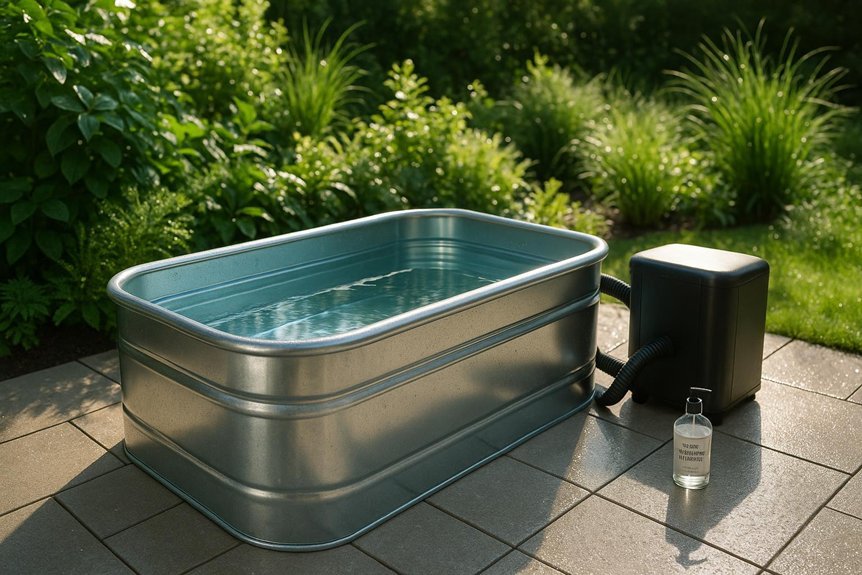
You’ll want a clear, practical plan to keep your cold plunge safe and odor-free, because stagnant water and porous surfaces invite mold and bacteria quickly. Use nonporous materials, run continuous circulation with good filtration, and apply appropriate sanitizers while checking temperature and pH regularly; perform daily skims and weekly deeper cleans, and inspect seals and drains often. Follow these steps and you’ll avoid most problems — now let’s cover the specific materials, systems, and routines that work best.
Key Takeaways
- Maintain continuous circulation and high-flow filtration to prevent stagnant pockets where biofilm and mold form.
- Use an appropriate sanitizer (chlorine, bromine, salt system) and monitor levels daily to keep microbial counts suppressed.
- Implement UV or ozone sterilization as a supplementary barrier against bacteria and protozoa, with pre-filtration.
- Clean and disinfect waterline, drains, seals, and nonporous surfaces weekly and after heavy use to remove residue and slime.
- Inspect and backwash/replace filters, swab suspicious areas, and document maintenance to catch issues before they escalate.
Why Cold Plunge Hygiene Matters
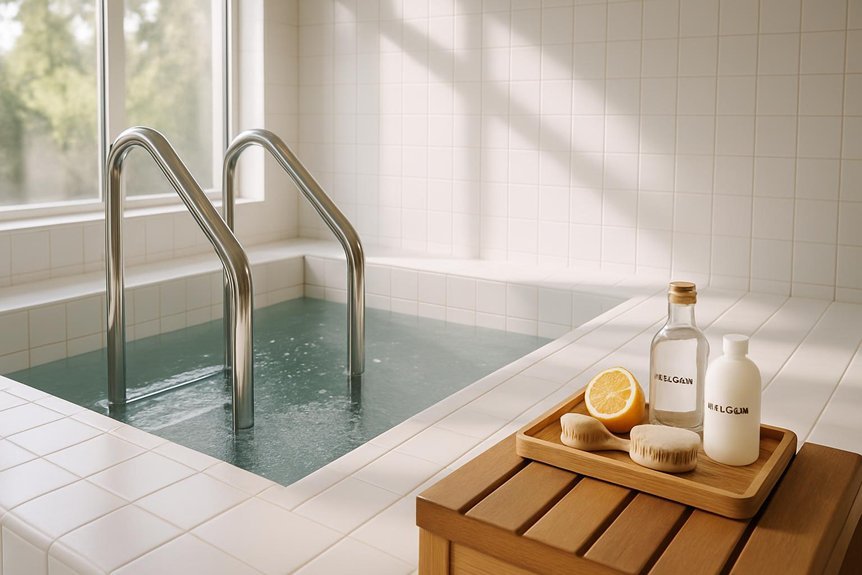
Because cold water can still harbor microbes, keeping your plunge clean matters more than you might think. You’ll reduce infection risk by keeping surfaces free of biofilm where mold and bacteria hide, and regular cleaning preserves the water’s clarity and safety. When you maintain consistent sanitation — skimming debris, checking pH, and disinfecting appropriately — you limit pathogen growth and protect skin, eyes, and any small cuts. Clean equipment also extends the life of pumps, filters, and seals, so you avoid costly repairs. Beyond health and maintenance, good hygiene supports a reliable routine: you can use the plunge confidently after workouts or therapy sessions, knowing you’ve minimized contamination and created a restorative, hygienic environment.
Choosing Materials That Resist Mold and Bacteria
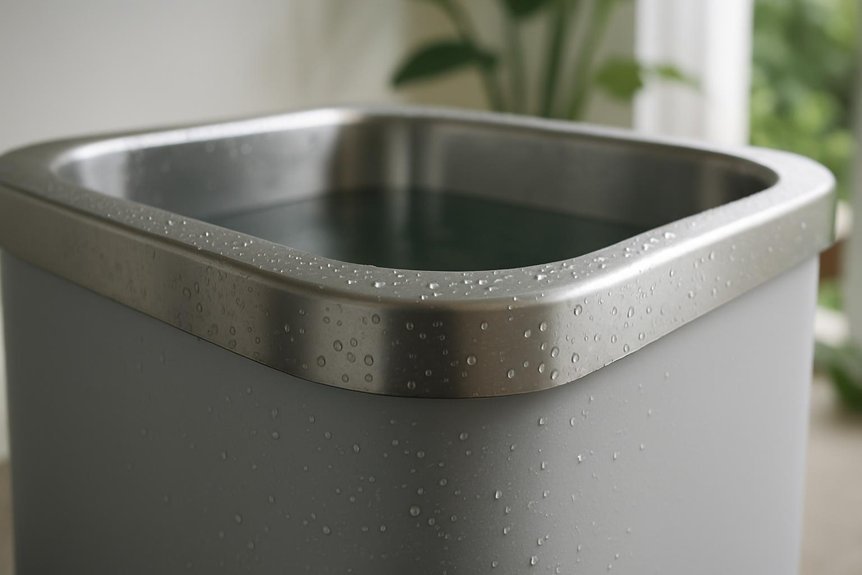
When you pick materials for a cold plunge, favor nonporous surfaces like stainless steel, medical-grade polymers, or sealed ceramic that won’t trap moisture and microbes. Look into antimicrobial coatings and treatments that can inhibit bacterial growth on contact, while checking compatibility with chlorine or salt systems to avoid premature breakdown. Also prioritize thoughtful drainage and smooth seam design so water can’t pool or hide in crevices, making routine cleaning faster and more effective.
Nonporous Surface Choices
Although it’s tempting to focus on chemical treatments alone, choosing nonporous materials for your cold plunge is one of the most effective first steps you can take to prevent mold and bacterial growth. You’ll want surfaces that don’t trap moisture or organic matter, since pores and seams provide hiding places for microbes. Look for options like stainless steel, food-grade polyethylene, smooth fiberglass, or sealed concrete with a high-quality epoxy finish. These materials resist staining, are easy to scrub, and tolerate repeated sanitation without degrading. Consider welds and joints too; seamless or well-sealed installations reduce crevices. Weight, thermal properties, and cost matter, so balance durability with maintenance needs. Opting for nonporous choices cuts cleaning time and lowers long-term contamination risk.
Antimicrobial Coating Options
Nonporous materials give you a strong head start against mold and bacteria, but adding an antimicrobial coating can further reduce microbial load and extend the periods between deep cleanings. You’ll want coatings rated for water immersion and low toxicity; look for EPA-registered formulations or medical-grade silver, copper, or zinc-based additives that inhibit biofilm formation. Apply coatings according to manufacturer specs, ensuring surface prep and proper curing to avoid failures that trap moisture. Consider durability against cold, chlorine, or salt, since peeling or degradation creates niches for growth. Remember that coatings complement, not replace, regular cleaning and filtration; inspect surfaces periodically for wear and recoat as recommended. Choosing the right product will save time and improve hygiene over the life of your plunge.
Drainage and Seam Design
Because water and trapped moisture are the main drivers of mold and bacterial growth, thoughtful drainage and tight seam design are essential choices when you build or retrofit a cold plunge. You should choose nonporous materials like stainless steel, solid surface composites, or marine-grade polymer that resist biofilm and allow easy cleaning. Design the floor with a gentle slope toward a centrally placed drain, and fit the drain with a removable, smooth cover for regular inspection. Seal seams with continuous welds or FDA-grade, mildew-resistant sealants rather than mechanical joins that trap debris. Minimize crevices by integrating corner radii and overlapping panels, and specify accessible access panels for periodic deep cleaning. These choices reduce moisture retention, simplify sanitation, and lower long-term maintenance risks.
Effective Filtration and Circulation Strategies
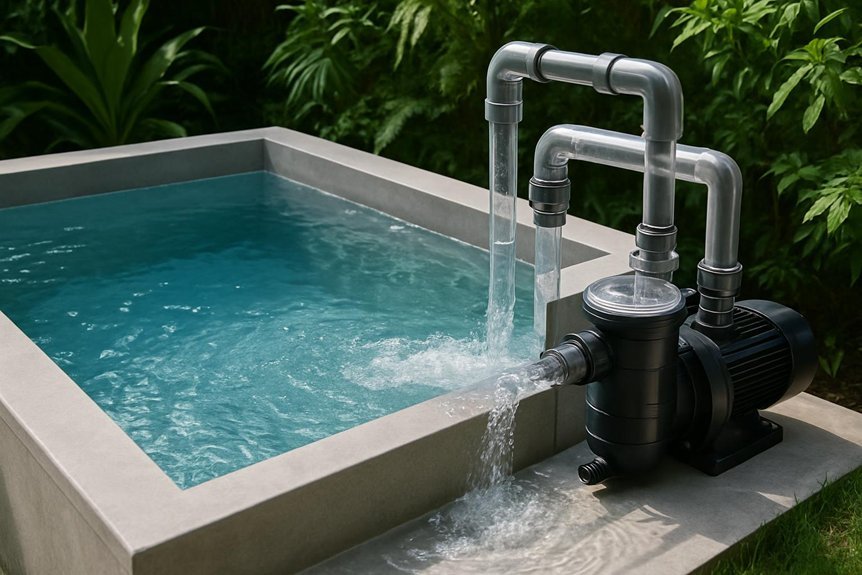
You’ll keep water clearer and safer by pairing high-flow mechanical filters with properly sized skimmers to capture debris before it becomes a breeding ground for microbes. Continuous circulation pumps are essential, because steady movement helps distribute sanitizers evenly and prevents stagnant pockets where mold and bacteria can grow. Combine robust filtration with regular filter maintenance and monitored flow rates, and you’ll greatly reduce the microbial risk in your cold plunge.
High-Flow Mechanical Filtration
Think of high-flow mechanical filtration as the frontline defense for your cold plunge: it traps debris and suspended particles quickly, keeps water moving through the system, and reduces the load on chemical sanitizers. You’ll want filters rated for fine particulate capture—think pleated cartridges or multi-stage sand and diatomaceous earth units—that handle high turnover without clogging. Match filter flow capacity to your plunge volume so water passes through several times per hour; undersized units let particles linger, oversized ones waste energy. Maintain a cleaning schedule: backwash or replace media before pressure rises, and inspect housings and seals for leaks. Properly sized, well-maintained mechanical filtration lowers biofilm risk, improves sanitizer efficiency, and keeps your plunge clearer and healthier with less chemical intervention.
Continuous Circulation Pumps
Mechanical filtration removes the bulk of debris, but steady water movement is what keeps those particles from settling and biofilms from forming, and that’s where continuous circulation pumps come in. You should run a pump that moves the full volume of your plunge several times per day, or continuously when not in active use, to maintain consistent turnover. Choose a pump sized for your tank and filter, prioritize energy-efficient models, and look for variable-speed options so you can dial flow to match cleaning cycles and noise preferences. Continuous circulation also helps distribute disinfectant evenly, stabilizes temperature, and discourages stagnant zones where microbes thrive. Regular inspection and occasional flushing of the pump and lines will prevent blockages and extend equipment life.
Water Treatment Options for Cold Plunges
When you’re setting up a cold plunge, choosing the right water treatment approach matters as much as maintaining proper temperature, because cold water still supports mold and bacterial growth if left untreated; this paragraph outlines the main options you’ll encounter and why each matters. You’ll consider chemical sanitizers like chlorine or bromine, which kill microbes reliably but require monitoring and correct dosing. Salt systems (electrolytic chlorine generators) offer gentler maintenance and steady sanitizer production. Mineral or copper-silver ionizers reduce microbial load with fewer chemicals, though they don’t replace oxidation. UV sterilizers in-line provide excellent bacteria and protozoa control without residues, but they need pre-filtration and power. Ozone systems oxidize contaminants rapidly, supplementing sanitizers. Choose based on safety, maintenance ability, and local regulations.
Daily and Weekly Cleaning Routines
Because regular care keeps a cold plunge safe and inviting, you should establish clear daily and weekly routines that are simple to follow and easy to track. Each day, skim the surface, check for visible debris, wipe down the waterline and surrounding surfaces with a nonabrasive disinfectant, and run pumps or circulation systems for the recommended period to prevent stagnation. Weekly, drain a portion or perform a full water change per manufacturer guidance, clean filters or cartridges, and scrub slip-prone surfaces and seams with a soft brush and appropriate cleaner. Record each task in a log so you can spot trends, and replace consumables like filter media on schedule. Consistency reduces microbial growth, extends equipment life, and keeps your plunge ready for safe use.
How to Monitor Water Quality and Signs of Contamination
Keeping a regular cleaning schedule helps prevent problems, but you also need to actively monitor water quality so you can spot contamination early and respond quickly. Test pH and sanitizer levels (chlorine, bromine, or approved alternatives) at least twice weekly, and more often with heavy use. Measure temperature and clarity daily; cloudy water or sudden temperature shifts can signal microbial growth. Inspect surfaces and filters visually for slime, discoloration, or odor, and swab questionable areas for lab testing if available. Keep a log of readings, maintenance actions, and bather load so trends become obvious before issues escalate. If readings drift or you notice biofilm or persistent odor, act promptly according to your maintenance plan to protect health and equipment.
Troubleshooting and When to Deep-Clean or Replace Components
If you spot irregular readings, odd smells, or visual signs of biofilm, act deliberately and follow a structured troubleshooting path so you can isolate the cause and limit downtime. First, verify measurements with fresh test strips or a calibrated meter, then review recent dosing, circulation, and bather load to identify likely stressors. Inspect and clean filters, skimmers, and intake screens—clogged media often fosters microbes. If contamination persists after routine cleaning, perform a shock treatment and scrub surfaces with an appropriate disinfectant, following manufacturer contact times. Replace any silicone seals, porous cushioning, or heavily scratched components that harbor microbes. For pumps, heaters, or UV units showing persistent failure, consult a technician and consider replacement to prevent recurrence. Document actions and schedule more frequent monitoring afterward.
FAQ
Can Cold Plunge Cold Temperatures Kill All Bacteria and Mold?
FAQ: Can cold plunge temperatures eliminate all bacteria and mold?
No, cold plunge temperatures do not kill all bacteria and mold. While they can reduce growth, some microbes may survive or enter a dormant state.
FAQ: What maintenance is required for cold plunge water?
Regular cleaning and appropriate disinfection are essential to maintain safe water quality. Monitoring the water regularly will help ensure that harmful microbes are kept at bay.
FAQ: How effective are cold plunges in reducing microbial growth?
Cold plunges can significantly reduce the growth of bacteria and mold, but they do not completely eradicate them. Regular maintenance is crucial to ensure a safe and healthy environment.
Are Natural or Homemade Cleaners Safe for Cold Plunge Use?
FAQ: Are natural or homemade cleaners safe for cold plunge use?
Natural or homemade cleaners can be safe for use in cold plunges if they are noncorrosive and pH-balanced. It’s essential to dilute these cleaners properly and test materials to ensure compatibility.
FAQ: What precautions should I take when using homemade cleaners in a cold plunge?
Always rinse the cold plunge thoroughly after using homemade cleaners to remove any residue. Additionally, it’s important to periodically use approved sanitizers for effective bacteria and mold control.
FAQ: How can I ensure my homemade cleaner is effective for cold plunge maintenance?
Choose ingredients that are known for their cleaning properties and that won’t harm the materials of your cold plunge. Regular testing and monitoring of the water quality will help maintain a safe environment.
How Do Pets or Wildlife Affect Cold Plunge Contamination Risks?
FAQs on Pets and Wildlife Impacting Cold Plunge Contamination Risks
1. How do pets contribute to cold plunge contamination?
Pets can introduce hair, dirt, urine, and feces into the water, which can increase the presence of harmful microbes. It’s essential to manage their access to maintain water quality.
2. What measures can be taken to mitigate contamination from wildlife?
To reduce contamination risks from wildlife, consider using tighter covers, placing the plunge in fenced or elevated areas, and implementing stronger filtration systems. These steps help discourage wildlife access and maintain clean water.
3. How often should I clean my cold plunge to keep it safe from contaminants?
Regular cleaning is crucial, especially if pets or wildlife have access to the area. It’s recommended to clean frequently and monitor water quality to ensure it remains safe for use.
4. What additional sanitation methods should I consider?
Alongside regular cleaning, using sanitizers or advanced filtration systems can help keep your cold plunge water clean. These methods can effectively reduce microbial growth and overall contamination risk.
Can Essential Oils Prevent Mold or Bacterial Growth in Plunges?
FAQs on Essential Oils and Mold or Bacterial Growth in Plunges
1. Can essential oils effectively prevent mold in plunges?
No, essential oils are not reliable for preventing mold growth in plunges. While they can mask odors, their antimicrobial properties are minimal.
2. Do essential oils have any antibacterial effects in water?
Essential oils may offer minor antibacterial effects, but they are not a substitute for proper sanitation methods. Relying solely on essential oils is insufficient for maintaining water safety.
3. What should I use to keep plunge water clean and safe?
To ensure water remains safe and clean, use proper sanitation practices, filtration systems, and approved biocides. Essential oils should not be your primary line of defense against mold or bacteria.
What Insurance or Liability Concerns Apply to Commercial Cold Plunges?
FAQs on Insurance and Liability Concerns for Commercial Cold Plunges
1. What types of liability risks should I consider for my cold plunge business?
You should be aware of premises liability, professional liability, product liability, and risks associated with staff negligence. Each of these can expose your business to potential claims if not properly managed.
2. What insurance coverage is essential for operating a cold plunge facility?
Essential coverage includes general liability, professional/service liability, and property and equipment coverage. These policies help protect against claims related to injuries, professional services, and damage to your facilities.
3. How can I mitigate liability risks in my cold plunge business?
To reduce claims, implement clear waivers, post policies, provide comprehensive staff training, and ensure proper maintenance of your equipment. These measures help create a safer environment for your clients.
4. Are waivers necessary for customers using cold plunge services?
Yes, waivers are crucial as they inform customers of potential risks and help protect your business from liability claims. Properly drafted waivers can significantly reduce your exposure to legal issues.
Final Thoughts
You’ve learned practical steps to keep your cold plunge safe and inviting: select nonporous, antimicrobial materials, maintain continuous filtration and circulation, and use appropriate water treatments. Perform daily skims and disinfect surrounding areas, follow weekly cleaning and water-change schedules, and monitor parameters so you spot irregularities early. If you see persistent discoloration, odors, or biofilm, deep-clean components or replace affected parts promptly to protect health and prolong equipment life.