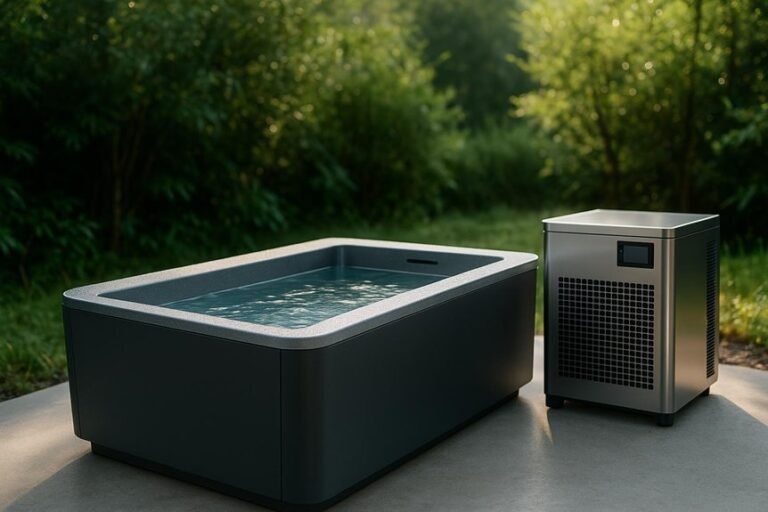
Choosing a cold plunge tub means matching what you want—rapid recovery, regular contrast therapy, or a social setup—with practical factors like temperature control, size, and maintenance. You’ll need to weigh cooling efficiency, insulation, materials, and where you’ll place the tub, since those choices affect running costs and durability. Think about access, cleaning, and warranty too, and keep your budget realistic so you don’t get surprised by long-term expenses—next, consider how each cooling system fits your goals.
Key Takeaways
- Define your therapeutic goals and session frequency to determine optimal size, depth, and insulation requirements.
- Match cooling capacity (chiller/BTU) to water volume and look for variable-speed compressors for energy efficiency.
- Choose materials (stainless steel, rotomolded polyethylene, acrylic, concrete) balancing durability, maintenance, and budget.
- Prioritize easy-to-use digital controls, reliable filtration/sanitation systems, and accessible serviceability.
- Budget for installation, ongoing energy, water treatment, and warranty/service history when comparing brands.
Benefits and Goals: What You Want From a Cold Plunge
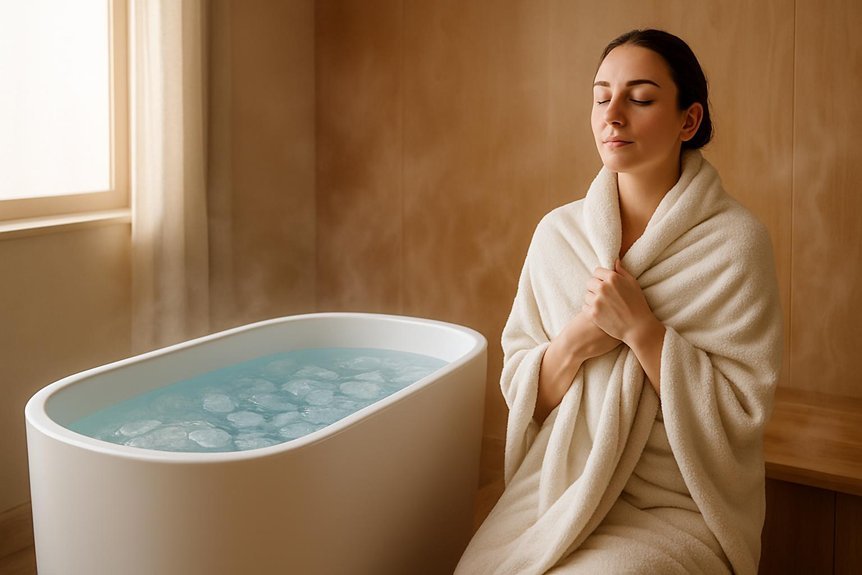
Why consider a cold plunge at all? You want clear benefits: faster muscle recovery after workouts, reduced inflammation, and improved circulation, which help you bounce back quicker. You’ll likely seek mental resilience too, since brief cold exposure can sharpen focus, reduce stress, and boost mood through endorphin release. Decide whether therapeutic goals, athletic performance, or general wellness matter most, because that determines tub size, accessibility, and session frequency. Think about how often you’ll use it, whether you need rapid cooldown between sessions, and if friends or family will share the space. Set measurable objectives—short-term recovery, long-term health markers, or stress management—and choose a model that aligns with maintenance needs, safety features, and your available space.
Temperature Control and Cooling Systems
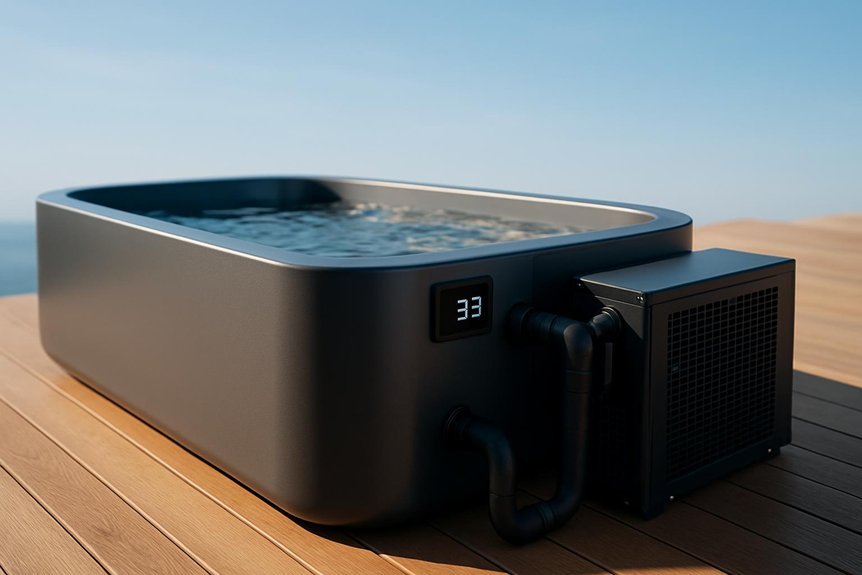
When you’re comparing cold plunge tubs, temperature control and the cooling system are the features that determine how reliably and precisely you can hit your target immersion temperature, so they should be among the first specifications you evaluate. You’ll want a unit with an accurate thermostat, a responsive compressor or chiller, and clear digital controls so adjustments are simple and repeatable. Consider cooling capacity (BTU) relative to water volume, since undersized systems struggle to reach and hold low temperatures, especially after repeated entries. Look for features like variable-speed compressors, insulated walls, and timed recirculation pumps to improve efficiency and stability. Also check how noise, maintenance needs, and refrigerant type affect operation; quieter, low-maintenance systems with eco-friendly refrigerants usually deliver better long-term value.
Size, Shape, and Capacity Considerations
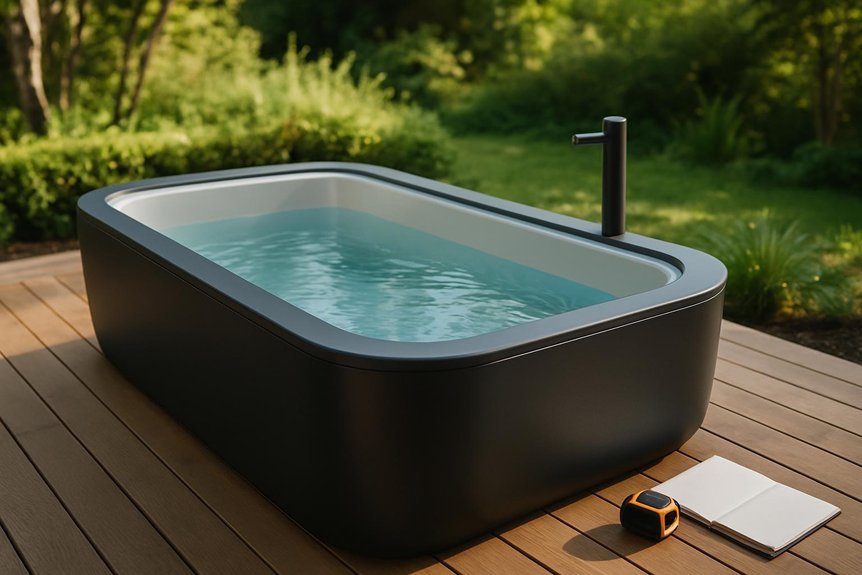
Choosing the right size, shape, and capacity for a cold plunge tub matters because it affects comfort, thermal performance, and how many people can use it at once. You’ll want a tub that fits your body and space: deeper tubs allow full immersion and better cold contact, while shallower models suit quick dips. Consider shape — rectangular tubs offer legroom and easy entry, round tubs save space and promote even cooling, and integrated seats change how you sit and submerge. Capacity ties to water volume, which influences cooling time and energy use; larger volumes stay colder longer but require more powerful chillers. Plan for clearance around the unit, access for maintenance, and whether you’ll use it solo or with others to match size to purpose.
Materials and Durability
The material your cold plunge is made from determines how long it lasts, how much maintenance it needs, and how well it holds cold, so it’s worth weighing options carefully before you buy. Common choices include stainless steel, rotomolded polyethylene, acrylic, and concrete. Stainless steel is durable, resists corrosion, and feels sleek, though it can be pricier. Rotomolded polyethylene is impact-resistant, affordable, and lightweight, but scratches more easily. Acrylic offers a smooth, attractive finish and repairs well; it can be vulnerable to UV and chemical damage if not cared for. Concrete is extremely durable and customizable, yet it may require sealing and professional installation. Consider expected use, maintenance willingness, and budget to match materials with your lifestyle and long-term value.
Insulation and Energy Efficiency
Because a cold plunge’s main job is to hold low temperatures reliably, good insulation directly cuts your running costs and reduces how often the chiller or heater cycles on. You’ll want to compare R-values or specified thermal resistance when shopping; higher numbers mean less heat gain and steadier temperatures. Look for multi-layer constructions, closed-cell foam, or insulated shells that avoid thermal bridging at seams. A well-insulated tub needs a smaller chiller, which lowers upfront system size and ongoing electricity use. Consider covers and insulated lids to minimize surface losses between sessions, and check for integrated insulation versus add-on blankets. Also evaluate the tub’s footprint and placement—indoor, shaded, or climate-controlled locations reduce energy demand. Prioritize efficient components and clear manufacturer specifications.
Filtration and Sanitation Options
Good insulation helps keep water cold and reduces chiller runtime, but you’ll also need a solid plan for keeping that water clean and safe—filtration and sanitation determine whether your tub stays hygienic between uses. You should choose a filtration system rated for fine particulate removal, like cartridge or sand filters, and match flow rate to tub volume so turnover time is adequate. Consider UV or ozone systems to reduce chemical load, but don’t rely on them alone; they work best paired with low-dose chlorine or bromine for residual protection. Look for easy-access filter housings and backwash or cartridge cleaning features to simplify maintenance. Monitor water chemistry regularly with test strips or a digital meter, and establish a cleaning schedule to prevent biofilm.
Placement: Indoor vs. Outdoor and Site Requirements
When you’re choosing where to put a cold plunge tub, think about how indoor spaces offer controlled temperatures, easy access to electricity and plumbing, and protection from the elements, while requiring good ventilation and moisture management. Outdoors, you’ll enjoy more flexibility in size, natural drainage, and easier cleaning, but you’ll need a level, sturdy base, frost protection, and local zoning or permit checks. We’ll compare the pros and cons and list specific site requirements so you can pick the safest, most practical location for your needs.
Indoor Space Considerations
Deciding whether to place your cold plunge indoors or outdoors shapes nearly every other choice you’ll make, so weigh space, access, and site requirements before you buy. For indoor installs, measure the footprint carefully and allow clearance for filling, servicing, and safe entry. Check ceiling height if you plan a cover lift or step-up platform, and confirm doorways, hallways, and staircases can accommodate delivery. You’ll want a floor that supports the filled weight—consult load-bearing specs for concrete or reinforced joists—and a waterproof surface to handle splashes and condensation. Plan drainage or a nearby floor drain, plus electrical access for pumps and chillers that meets code. Finally, consider ventilation to control humidity and corrosion, and guarantee comfortable, private access for regular use.
Outdoor Site Requirements
Although outdoor placement gives you flexibility and a chance to enjoy fresh air, it also brings a set of site-specific requirements you’ll want to address before installation. You’ll need a stable, level base — concrete pad, compacted gravel, or reinforced decking — that supports the tub’s filled weight and prevents settling. Check local codes, setbacks, and permit needs; some areas restrict outdoor water features. Plan for electrical access for pumps, heaters, and lighting, using a licensed electrician and GFCI protection. Guarantee drainage routes for overflow and service access for maintenance or winterizing. Consider privacy, wind exposure, sun and shade patterns, and nearby trees that can drop debris. Finally, think about accessibility for delivery and future removal to avoid costly surprises.
Maintenance, Servicing, and Running Costs
You’ll want a regular cleaning schedule to keep water clear and equipment running smoothly, including weekly surface skims, filter rinses, and periodic deep cleans. Be prepared for ongoing energy and water costs—cooling, circulation pumps, and top-ups add to monthly bills and vary by tub size and insulation. Before you buy, compare estimated utility use and ask about service intervals so you can budget both time and money accurately.
Regular Cleaning Schedule
A consistent cleaning schedule keeps your cold plunge safe, efficient, and pleasant to use, and it also helps control long-term costs by preventing wear and costly repairs. Start with daily quick checks: skim debris, wipe splashes from rims, and confirm filters look clear to avoid buildup. Schedule weekly tasks like brushing interior surfaces, testing sanitizer levels, and emptying skimmers so algae and biofilm don’t take hold. Every month perform a deeper clean: drain, scrub with manufacturer-approved cleaners, inspect seals and drains, and replace filter cartridges if needed. Keep a log of dates, procedures, and any parts replaced so trends become obvious and vendors can troubleshoot faster. Consistent routines reduce emergency service calls and extend the tub’s usable life.
Energy and Water Costs
Many factors influence how much it will cost to run and maintain a cold plunge, so understanding those variables helps you budget and choose features wisely. Energy use depends on insulation, heater or chiller efficiency, and how often you refresh water; well-insulated tubs and efficient chillers lower electricity bills, while constant refilling raises both energy and water costs. Water treatment systems, like ozone, UV, or chemical dosing, add upfront and ongoing expenses for parts and consumables, and you’ll pay more if you need frequent filter or pump replacements. If you live where water is costly or regulated, plan for top-offs and occasional full changes. Factor in servicing: professional maintenance prevents major failures but adds yearly fees. Compare total annual run rates, not just purchase price.
Accessories and Comfort Features
Think about the extra features that turn a cold plunge from a simple tub into a reliable, comfortable routine you’ll actually use. You’ll want non-slip steps or textured flooring for safe entry and exit, and a comfortable headrest or contoured bench if you plan longer sessions. Consider insulated covers to keep water cold and reduce evaporation, plus a sturdy lid that doubles as a safety barrier. Integrated handrails and adjustable jets can aid circulation and make immersion gentler, while LED lighting and simple controls improve usability during early mornings or evenings. Look for filtration and ozone or UV options to reduce maintenance, and modular accessory mounts so you can add trays, towel hooks, or Bluetooth speakers without drilling into the shell.
Budget, Warranties, and Brand Reputation
Before you buy, set a realistic budget that balances upfront cost, operating expenses, and any site or installation fees you might not have considered. Check the fine print on warranty coverage so you know what parts and labor are protected, for how long, and what conditions or actions might void the warranty. Finally, research brand reliability by reading reviews, looking for consistent service records, and weighing the manufacturer’s reputation for support and spare parts availability.
Set a Realistic Budget
Start by deciding how much you’re willing to spend, because setting a realistic budget will shape every other choice you make—from tub size and materials to filtration systems and installation. Consider short- and long-term costs: the purchase price, delivery, installation, and ongoing expenses like electricity, water, and maintenance supplies. Research typical price ranges for entry-level, mid-range, and premium models so you know where your preferences fit. Leave a contingency buffer for unexpected costs, such as site preparation or minor upgrades. Prioritize features that matter most to your routine—durability, insulation, or ease of maintenance—so you allocate funds efficiently. Finally, compare financing options if needed, but avoid stretching beyond what you can comfortably afford.
Understand Warranty Coverage
A clear warranty can save you thousands in unexpected repairs, so make it a central part of your buying decision: read the fine print, note what’s covered and for how long, and check whether labor, parts, and shipping are included or billed separately. You’ll want to compare warranty lengths for structural shells, pumps, heaters, and electrical components, since manufacturers often split coverage by part. Look for prorated versus full replacement terms and conditions that void coverage, like improper installation or commercial use. Ask how warranty claims are handled—direct service, authorized technicians, or self-service—and get response-time expectations in writing. Keep purchase receipts and serial numbers, register the tub promptly, and confirm whether third-party installers affect your protection.
Research Brand Reliability
Warranty details tell you what protections you’ll get, but they don’t tell the whole story about how a brand performs over time—so now look at brand reliability, which blends price, warranty practices, and reputation to show whether you’ll actually get support when you need it. Compare prices against similar models to see if a low cost hides flimsy parts or limited service. Read warranty fine print for response times, covered components, and labor—fast replacement of defective parts matters. Scan customer reviews, forums, and independent tests for recurring issues and how the company resolved them. Check dealer networks and service availability in your area, since good remote support won’t replace local technicians. Finally, weigh long-term ownership costs, not just the sticker price, to make a confident choice.
FAQ
Can Cold Plunges Safely Be Used During Pregnancy?
FAQ: Can I use cold plunges during pregnancy?
It is not recommended to use cold plunges during pregnancy without prior consultation with your healthcare provider. Sudden exposure to cold can potentially stress both you and the fetus.
FAQ: What are the risks of cold plunges during pregnancy?
Cold plunges can alter blood pressure and may trigger contractions, which could pose risks to both you and your baby. It is important to discuss any potential risks with your clinician.
FAQ: What should I do if I want to cool down during pregnancy?
If you’re looking for safe alternatives to cold plunges, consult your healthcare provider for recommendations that are suitable for your stage of pregnancy. They can suggest safe methods to stay cool.
Can Pets or Children Access the Tub Unsupervised?
Can pets access the tub unsupervised?
No, pets should never be allowed to access the tub unsupervised. To prevent accidents such as drowning or injury, it’s essential to secure the area with covers, locks, or alarms.
Is it safe for children to use the tub without supervision?
No, children should always be supervised when using the tub. To ensure their safety, consider installing fencing, alarms, and keeping a watchful eye to prevent drowning or other accidents.
What measures can be taken to ensure safety around the tub?
You can enhance safety by securing the tub with covers, installing locks or alarms, and fencing the area. Regular supervision is also crucial to prevent any incidents related to drowning, slips, or chemical ingestion.
Do Cold Plunges Affect Local Water Bills Significantly?
FAQ: Do cold plunges significantly increase water bills?
Cold plunges usually won’t cause a drastic spike in your water bill. Most users only need to refill occasionally and backwash filters, which has minimal impact on costs.
FAQ: What actions can increase water usage with a cold plunge?
Frequent full drains or large outdoor fills can add costs to your water bill. It’s important to monitor usage to avoid unnecessary expenses.
FAQ: How can I minimize water expenses associated with my cold plunge?
To minimize expenses, fix any leaks, monitor your water usage, and consider using recirculation systems to maintain water levels efficiently.
Can I Heat the Tub for Contrast Therapy?
Can I heat the tub for contrast therapy?
Yes, you can heat the tub for contrast therapy. It’s important to use a heater or built-in temperature control and monitor the temperatures throughout the process.
How do I safely alternate hot and cold temperatures?
To safely alternate hot and cold, ensure you don’t exceed safe temperature limits and gradually switch between the two. Always listen to your body and adjust as needed.
Should I consult a professional before using contrast therapy?
If you have any underlying health issues, it’s advisable to consult a healthcare professional before engaging in contrast therapy to ensure it’s safe for you.
Are There Insurance Implications for Home Installations?
FAQ: What are the insurance implications for home installations?
Yes, home installations can have insurance implications. It’s important to notify your insurer about any changes, as this can affect your coverage.
FAQ: Do I need to document professional installation for insurance purposes?
Yes, documenting professional installation is crucial. This helps ensure that your insurer recognizes the work as compliant with safety standards and maintains coverage.
FAQ: Will I need to pay higher premiums for home installations?
Potentially, yes. Depending on the installation type and associated risks, you may face higher premiums or need to meet specific safety and electrical requirements to keep your coverage intact.
FAQ: What should I confirm regarding liability and water-damage coverage?
You should confirm that your liability and water-damage coverage are adequate for the new installations. This protects you against potential claims or damages that may arise from the installed features.
Final Thoughts
You’ve now got the essentials to pick a cold plunge that fits your needs, space, and budget; decide first what benefits you want—recovery, circulation, or overall wellness—then match temperature control, size, and durable materials to those goals. Prioritize efficient cooling, good insulation, and manageable maintenance to keep running costs reasonable, and check warranties and brand support before buying. With those factors balanced, you’ll get reliable performance and long-term satisfaction from your plunge.