If you want to build a DIY cold plunge tub, you’ll learn how to pick the right container, set up insulation and circulation, and choose a cooling method that fits your budget and space. I’ll cover plumbing, filtration, and basic sanitation so your water stays clean and safe, plus temperature monitoring and emergency precautions. Follow practical steps and material options, and you’ll be ready to decide which approach suits your needs — next, we’ll compare cooling systems.
Key Takeaways
- Choose a tub size and material (40–80+ gallons, non-porous, corrosion-resistant) that fits space and single/multi-user needs.
- Decide cooling method: ice-only for low cost, electric chiller for precise control, or insulated passive cooling for efficiency.
- Insulate the shell and cover with closed-cell or rigid foam and place on a level, load-bearing surface near an entry.
- Install a pump and filtration sized to turn over water hourly, plus sanitation (chlorine/bromine, shock, or UV/ozone) and regular testing.
- Prioritize safety: easy egress, non-slip surfaces, companion during use, emergency supplies, and a maintenance/winterizing schedule.
Benefits and Goals of a DIY Cold Plunge
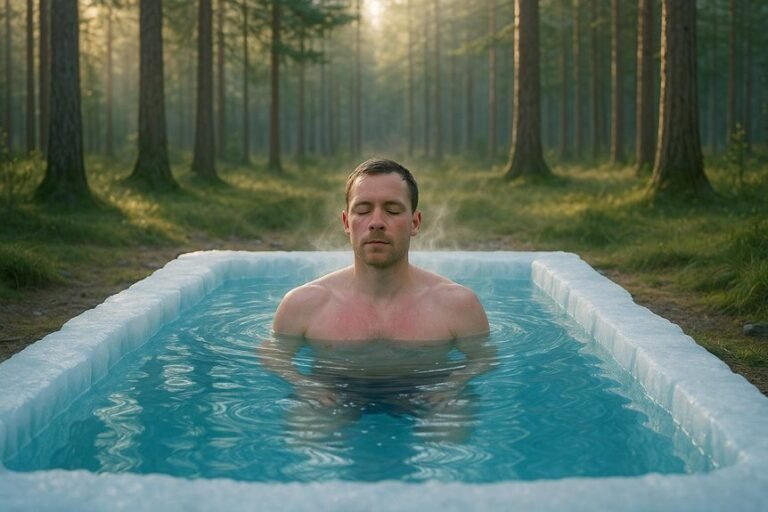
Clarity about why you want a DIY cold plunge helps shape every decision, from size and materials to maintenance and safety. You’ll gain specific benefits: improved circulation, faster muscle recovery, and a reliable ritual that supports mental resilience. Knowing your goals — whether athletic recovery, stress reduction, or cold-adaptation training — helps you set temperature targets, session length, and frequency. You’ll also weigh practical advantages: cost savings over commercial units, customization to fit space, and hands-on control of filtration and insulation choices. Be realistic about limits, like time for acclimation and routine maintenance commitments. When you define measurable outcomes, you can track progress, adjust protocols, and enjoy consistent, evidence-informed benefits without unnecessary expense.
Choosing the Right Container and Materials
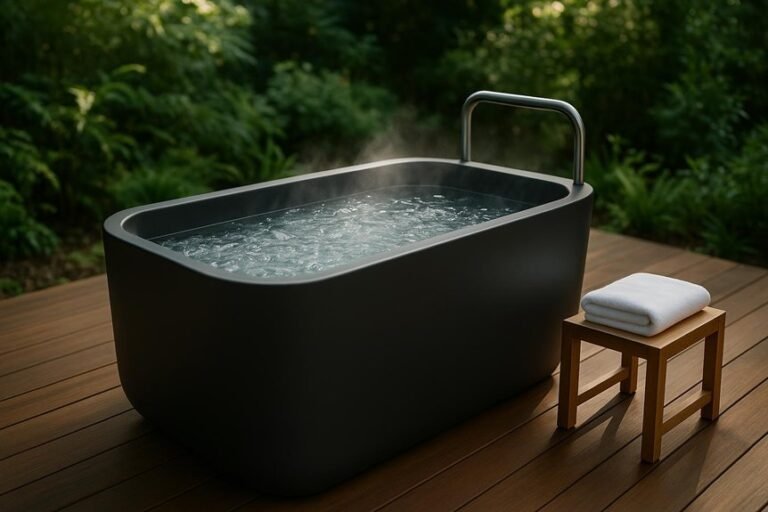
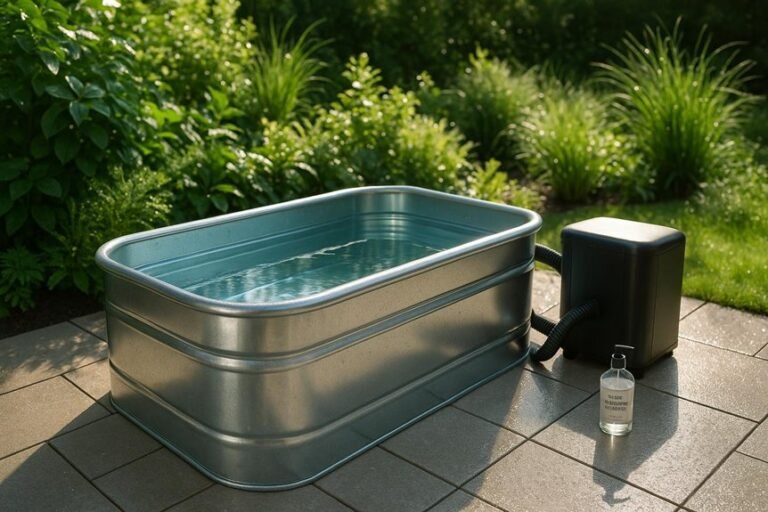
Picking the right container for your DIY cold plunge sets the foundation for safety, efficiency, and long-term satisfaction, so start by matching capacity and material to your goals and space. Decide how many people will use it and whether you’ll sit, recline, or fully submerge; a single-user tub often needs 40–80 gallons, while multi-user options require more. Choose materials that resist corrosion, insulate well, and are easy to clean: high-density polyethylene, fiberglass with proper liners, stainless steel, or treated wood with waterproofing are common choices. Check load-bearing floors, access for delivery, and local codes. Prioritize non-porous surfaces to limit bacteria, smooth edges for safety, and durable seals. Plan for maintenance access and realistic budget constraints.
Cooling Methods: Ice, Chillers, and DIY Options
When you’re planning cooling for your DIY cold plunge, you’ll weigh simple ice-only setups, more reliable electric chillers, and creative passive methods that use insulation and thermal mass. Ice is cheap and immediate but requires frequent topping and careful water management, while chillers give precise temperature control at higher upfront cost and ongoing power use. Passive DIY options—like buried pipes, shaded storage, or ice tanks with circulation—can lower running costs if you design them well and accept slower, less consistent cooling.
Ice-Only Method
Ice-only setups rely on a simple principle: add sufficient ice to lower your tub’s water temperature to the desired range and maintain it long enough for your cold plunge session. You’ll calculate roughly how much ice you need by considering water volume, starting temperature, and target temperature; charts or simple heat calculations help here. Use dense, clean ice blocks when possible because they melt slower than bags of crushed ice, and position them to promote circulation without bathing you in cold water instantly. Monitor temperature with an accurate thermometer, stir periodically, and expect temperature drift during longer sessions. Ice-only is cost-effective for occasional use, portable for events or travel, and simple to set up, though it demands repeated ice purchases and manual effort.
Electric Chillers
If you want a more consistent, hands-off way to keep your plunge cold, electric chillers provide mechanical refrigeration that holds water at a set temperature for hours or even days. You’ll connect a chiller to your tub’s circulation pump; water flows through a heat exchanger where the refrigerant removes heat, then returns chilled. Choose capacity based on volume and desired temperature drop; undersized units struggle, oversized ones waste energy and money. Look for adjustable thermostats, corrosion-resistant plumbing connections, and efficient compressors to balance performance and running costs. Install a properly rated GFCI, follow manufacturer plumbing and ventilation guidance, and plan maintenance like coil cleaning and refrigerant checks. Though pricier than ice, chillers offer precise control and long-term convenience.
Passive DIY Cooling
Although electric chillers offer precise temperature control, you’ll often want lower-cost, lower-complexity options for a DIY cold plunge, and that’s where passive cooling strategies shine. You can use ice, which is immediate and inexpensive: calculate required mass based on water volume and target drop, add bags gradually to control temperature, and plan for replacement or storage. Shade, insulation, and reflective covers reduce heat gain so your plunge stays colder longer without active cooling. Underground or partially buried tubs leverage stable soil temperatures for passive thermal buffering. Evaporative cooling—spraying or circulating water over exposed surfaces—helps in dry climates, though it’s less effective in humidity. Combine methods thoughtfully, monitor temperatures, and balance convenience, cost, and maintenance for the best passive setup.
Insulation, Placement, and Structural Considerations
When planning insulation, placement, and structural details for your DIY cold plunge tub, think ahead about how thermal control, accessibility, and load-bearing requirements will interact so you avoid costly fixes later on. Choose closed-cell foam or rigid foam panels to reduce heat transfer and moisture intrusion; insulate under and around the tub, but leave access panels for service. Place the tub on a level, firm surface near an entry for easy use, yet sheltered from direct sun and heavy wind to maintain temperature. Verify the floor or deck can support the filled weight—calculate water mass plus people—and reinforce joists or add a concrete pad if needed. Account for ventilation, frost risk in cold climates, and clearances for covers and lifts.
Simple Plumbing, Drainage, and Water Circulation
Start by planning a simple, reliable plumbing layout that lets you fill, circulate, and drain the tub with minimal fuss; good planning here prevents leaks, contamination, and expensive rework later. Choose durable materials like PVC or CPVC for supply and drainage lines, and use fittings sized to maintain steady flow without excessive pressure. Place a dedicated fill valve and an easily accessible ball valve for manual shutoff. Install a bottom or side drain with a removable strainer to catch debris and connect it to a garden-hose-compatible outlet for fast draining. For circulation, fit a low-speed pump rated for continuous use and plumbed through a return inlet near the tub floor to promote even temperature distribution. Include accessible unions and isolation valves so you can service the system without emptying the tub.
Water Quality, Filtration, and Sanitation Strategies
You’ll want to choose a filtration system that matches your tub size and usage, whether that’s a cartridge filter for simplicity or a sand/DE setup for heavier duty cleaning. Pair filtration with a clear sanitation plan—measured dosing of chlorine or bromine, regular monitoring of pH and sanitizer levels, and occasional shock treatments—to keep water safe and comfortable. By combining the right hardware with consistent testing and dosing routines, you’ll minimize biofilm, algae, and odor while extending the life of your cold plunge.
Filtration System Options
Because water clarity and safety hinge on both mechanical removal and chemical control, choosing the right filtration and sanitation approach for your cold plunge is essential. You’ll weigh cartridge, sand, and diatomaceous earth (DE) filters: cartridges are simple, low-maintenance, and capture larger particles; sand filters handle higher flow and backwash easily; DE filters trap the finest debris but need careful handling. Consider pump size and turnover rate — aim to cycle the tub volume at least once per hour for frequent use — and match filter micron ratings to your clarity goals. Supplement with a skimmer or pre-filter to reduce load. Think about materials resistant to cold and corrosion, accessibility for cleaning, and power efficiency to keep long-term costs down.
Sanitation and Dosing
How will you keep the water safe and comfortable without turning maintenance into a full-time job? You’ll balance filtration, chemical dosing, and testing routines. Use a cartridge or sand filter sized for your tub’s volume and run it several hours daily to remove debris and reduce organic load. Test pH and sanitizer levels (chlorine, bromine, or biguanide) at least twice weekly, aiming for stable pH 7.2–7.6 and appropriate sanitizer ranges; adjust with small, measured doses. Shock the water weekly to break down contaminants, and vacuum or backwash as needed. For lower-maintenance setups consider an ozone or UV unit to reduce chemical demand, but still monitor levels. Keep records, follow product instructions, and prioritize safety when handling chemicals.
Temperature Monitoring, Safety, and Emergency Precautions
A reliable temperature-monitoring plan is essential before you take the plunge, because cold-water immersion can quickly shift from invigorating to dangerous if the tub’s temperature isn’t tracked and controlled; start by choosing a quality digital thermometer or probe that reads to at least one decimal place and can be checked from outside the water, then place it where it reflects the area you’ll be sitting in rather than near the inlet or heater. Monitor and record temperatures before and during sessions, aiming for typical plunge ranges (around 1–10°C / 34–50°F) and adjusting duration accordingly. Install a secondary alarm or float switch that warns of extreme drops or electrical faults, and keep a non-slip surface, insulated cover, and easy exit steps. Have a sober companion present for cold exposure, know hypothermia signs, and keep a phone and warm blankets nearby.
Maintenance Schedule and Winterizing Tips
Now that you’ve got temperature monitoring and safety measures in place, keeping the tub in reliable working order will protect both your investment and your health. Create a weekly, monthly, and seasonal checklist: skim debris and test pH weekly; clean filters and inspect seals monthly; drain, deep-clean, and inspect pumps and heaters at the start and end of the cold season. Log maintenance actions so you track wear and spot recurring issues. For winterizing, fully drain the tub, remove and store electronics, and blow out plumbing lines to prevent freeze damage; add antifreeze-rated plugs where appropriate and insulate exposed pipes and the shell. If you keep the tub outdoors and use it in winter, run circulation occasionally, monitor for ice buildup, and tighten covers to reduce heat loss.
FAQ
Can I Use a Stock Tank Heater to Gently Raise Water Temperature?
Can I use a stock tank heater to raise the temperature of my water?
Yes, a stock tank heater can effectively raise water temperature. It’s important to select a thermostat-controlled unit to ensure that the temperature increases gently and safely.
What safety precautions should I consider when using a stock tank heater?
Ensure that your electrical setup is safe and compliant with relevant standards. Regularly monitor the heater to prevent overheating and potential hazards.
How can I prevent contamination of my plunge water when using a stock tank heater?
Regularly check the heater for signs of corrosion and clean it as needed to maintain water quality. This will help ensure that your plunge water remains safe and uncontaminated.
How Long Does It Take for My Body to Adapt to Cold Plunging?
FAQ: How long does it take for my body to adapt to cold plunging?
You’ll begin to notice basic adaptations within 1–2 weeks of consistent cold plunging.
FAQ: When will I see improved tolerance to cold?
Improved tolerance and a reduction in shivering typically occur within 4–6 weeks of regular cold exposure.
FAQ: What deeper changes can I expect from long-term cold plunging?
With consistent practice over 8–12 weeks, you can expect deeper cardiovascular and hormonal changes as your body adapts to the cold.
Are There Recommended Clothing or Accessories for Cold Plunges?
What clothing should I wear for a cold plunge?
You should wear a swimsuit to stay comfortable in the water. Additionally, neoprene booties or water shoes will help protect your feet from the cold.
Are there any accessories I should consider for a cold plunge?
Yes, neoprene gloves can help keep your hands warm while in the water. A neoprene cap can also be beneficial for retaining heat.
What should I bring for after the cold plunge?
A thermal robe or a warm towel is recommended to help you warm up quickly after the plunge. This will help you transition back to normal body temperature.
How can I keep track of time during a cold plunge?
Using a waterproof timer or placing your phone in a dry pouch can help you monitor your time in the cold water safely.
Can I Install the Plunge Indoors Above a Finished Basement?
Can I install a plunge pool indoors above a finished basement?
Yes, you can install a plunge pool indoors above a finished basement, but it requires careful planning and preparation.
What structural considerations are necessary for indoor plunge pool installation?
You’ll need to ensure the flooring is reinforced to support the weight of the plunge pool. It’s essential to consult with a contractor to obtain the necessary structural permits.
What waterproofing measures should I take for an indoor plunge pool?
Proper waterproofing is crucial to prevent leaks and damage to the finished basement below. This includes sealing the pool and ensuring effective drainage solutions are in place.
How do I manage condensation around an indoor plunge pool?
Condensation control is vital to avoid moisture issues. This can be achieved through proper ventilation and temperature regulation in the area surrounding the plunge pool.
Can Pets Use the Cold Plunge Water Safely?
Can pets use cold plunge water safely?
No, pets should not use cold plunge water routinely. It can lead to hypothermia, shock, and skin irritation, which can be harmful to their health.
Are some pets more at risk than others when using cold plunge water?
Yes, small or elderly animals are particularly vulnerable to the dangers of cold plunge water. Their bodies may not regulate temperature as effectively, increasing the risk of health issues.
What should I provide instead of cold plunge water for my pet?
Instead of cold plunge water, offer your pet warm, fresh water. This will ensure they stay hydrated and comfortable without the risks associated with cold water exposure.
Final Thoughts
You’ve covered the essentials to build a safe, functional cold plunge: pick a sturdy container, insulate and place it thoughtfully, choose a cooling method that fits your budget, and install basic plumbing and filtration. Monitor water quality and temperature, follow sanitation routines, and plan for emergencies and seasonal care. With careful setup and regular maintenance, you’ll get reliable cold therapy at home that’s both effective and sustainable.