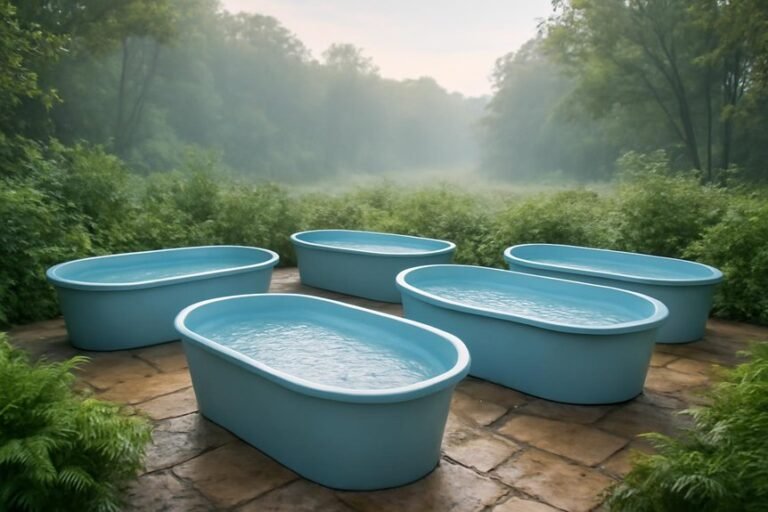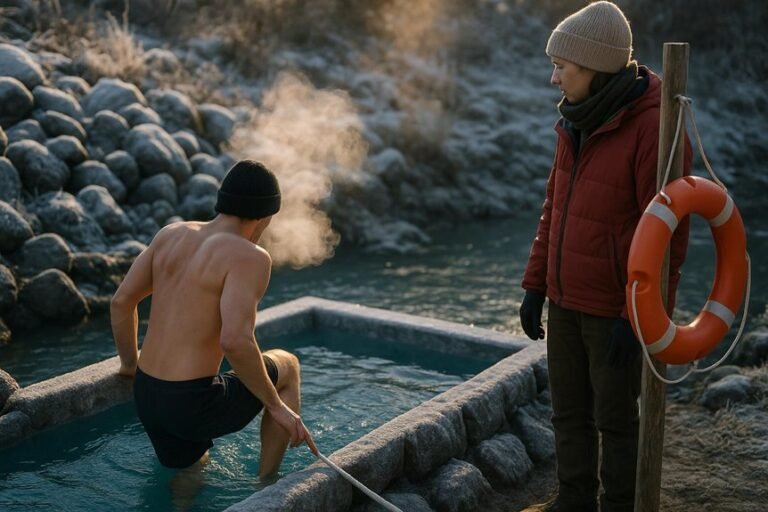
If you use a cold plunge regularly, you’ll want a clear plan for when to replace the water so it stays clean and safe; for light personal use you might change it every 4–8 weeks, for household use every 2–4 weeks, and for heavy or commercial use weekly, but treatment, filtration, and signs like cloudiness or odor can extend or shorten those intervals — keep an eye on those indicators and follow proper draining and cleaning steps so you don’t get caught off guard.
Key Takeaways
- Change water every 4–8 weeks for solo, occasional use (1–2 sessions per week).
- For regular household use replace water every 2–4 weeks and monitor quality between changes.
- In high-traffic or commercial settings change water weekly or more frequently as needed.
- Drain and deep-clean immediately if water is cloudy, discolored, has a strong odor, or shows biofilm.
- Use proper filtration, sanitation, seasonal adjustments, and equipment maintenance to extend safe intervals.
Typical Replacement Intervals by Usage Level
Because usage directly affects water quality, you’ll want to adjust replacement intervals based on how often and how many people use your cold plunge. For solo, occasional use—say one or two short sessions per week—you can typically change the water every 4 to 8 weeks, provided you monitor clarity and odor. If a household uses the plunge regularly, with several people and daily sessions, plan on replacing water every 2 to 4 weeks to prevent buildup of body oils and contaminants. Commercial or high-traffic environments require more frequent turnover; you should consider weekly changes or even more often depending on visible contamination. Always pair replacement timing with routine surface cleaning and regular testing, so you catch issues early and maintain a safe, pleasant plunge experience.
Water Treatment and Filtration Strategies
You’ll want to compare filtration system types — from cartridge and sand filters to newer cartridge-plus-UV combos — so you know which removes the kinds of debris and microbes your cold plunge collects. Pair that with chemical sanitation options, like low-level chlorine, non-chlorine oxidizers, or bromine, chosen to balance effectiveness with skin and equipment care. Finally, tie your choices to realistic water replacement schedules that account for filter performance, chemical residuals, and how often the tub is used, so you keep water safe without changing it more than necessary.
Filtration System Types
When you’re managing a cold plunge, the filtration system you choose shapes how often you’ll need to change the water and how much maintenance you’ll perform; different systems remove solids, control microbes, and handle dissolved substances in distinct ways. You’ll encounter basic cartridge filters that trap debris and are inexpensive, but they need frequent cleaning or replacement. Sand filters offer deeper mechanical filtration and longer intervals between service, though backwashing uses extra water. Diatomaceous earth (DE) filters catch very fine particles and improve clarity, yet they require careful handling and periodic recharging. You might also see multi-stage systems combining mechanical, biological, and UV components for robust performance, reducing water changes when maintained properly and consistently monitoring system condition.
Chemical Sanitation Options
Mechanical filters handle solids, but chemical sanitation keeps microbes and dissolved contaminants in check, so you’ll want to pair your filtration choice with an appropriate water treatment strategy. You can choose chlorine, bromine, or non-halogen alternatives depending on sensitivity, maintenance tolerance, and temperature effects: chlorine is effective and inexpensive, bromine works well at cooler temperatures and is gentler on skin, while mineral blends and hydrogen peroxide systems reduce chemical odor and irritation. Test strips or digital kits help you monitor free and total disinfectant levels, pH, and oxidant demand, and you should adjust dosing to maintain effective ranges. Shock treatments address organic load quickly, and stabilizers protect chlorine from UV if the plunge is outdoors.
Water Replacement Schedules
Regularly changing plunge water is essential to maintain hygiene, control dissolved contaminants, and keep your treatment system from being overburdened. You should set a replacement schedule based on usage, bather load, and filtration capacity; light home use might need full replacement every 2–4 weeks, while commercial or frequent use often requires weekly changes. Monitor water quality with tests for pH, alkalinity, chlorine or bromine residuals, and total dissolved solids; when parameters drift despite treatment, plan a change. Partial draining and refill strategies—replacing 25–50% weekly—can extend system life and reduce waste. Always clean surfaces and filters during replacement, and document schedules so you can refine intervals over time, balancing safety, cost, and environmental impact.
Signs Your Plunge Water Needs Changing Immediately
If your plunge water looks cloudy or has an unusual color, you should treat that as a clear warning sign and check filtration and sanitizer levels right away. Likewise, a strong chemical smell or any off-putting odor means the balance is off or contaminants are present, so you shouldn’t use the tub until it’s resolved. Acting quickly when you notice these changes prevents skin irritation, equipment damage, and more serious water-quality problems.
Cloudy or Discolored Water
A cloudy or discolored plunge usually signals that the water quality has deteriorated and needs your immediate attention, because particles, algae, or chemical imbalance are reducing clarity and could harbor bacteria. When you notice milky or greenish tint, don’t assume it’s harmless; visual change often precedes odor or irritation. Check filter condition and run time first, since clogged filters or insufficient circulation let debris and microorganisms accumulate. Inspect for visible biofilm on walls or floating particulates, and test pH, alkalinity, and sanitizer levels promptly to identify imbalance. If adjustments and thorough filtration don’t restore clarity within a day, drain and clean the tank, scrub surfaces, replace media, and refill with treated water. Regular monitoring prevents recurrence and keeps your plunge safe and inviting.
Strong Chemical or Odor
Cloudy or discolored water can signal microbial growth or filter failure, but another urgent sign to watch for is a strong chemical smell or any unusual odor coming from your plunge. If you notice a sharp chlorine or bleach scent, it can mean over-chlorination, a chemical imbalance, or degraded organic matter reacting with sanitizers. Conversely, a musty, rotten, or ammonia-like smell often indicates bacterial growth or accumulated biofilm in plumbing and filters. You should stop using the plunge, test pH and sanitizer levels immediately, and inspect or clean filters and surfaces. Drain and refill if odors persist after treatment, and consider shock dosing only when safe. Regular maintenance and timely water changes prevent odors and protect your health.
Seasonal and Environmental Factors That Affect Water Life
Because outdoor temperatures, sunlight, and surrounding vegetation change with the seasons, the biological and chemical life in your cold plunge will also shift, influencing how often you need to refresh the water. In spring and summer, warmer air and longer daylight boost algae and bacterial growth; pollen, leaves, and insect debris add nutrients that speed biological activity. In autumn, falling debris and cooling temperatures slow some microbes but increase organic load, which can decompose and affect clarity and odor. Winter’s cold suppresses most microbial activity yet can concentrate dissolved minerals and runoff contaminants if rain or snow melt enters the plunge. Local wildlife and nearby gardens also change input levels across seasons, so you’ll notice predictable cycles in clarity, smell, and maintenance needs tied to your environment.
Practical Steps to Extend Time Between Changes
Given the predictable seasonal changes in debris, light, and temperature, you can use a few practical measures to lengthen the time between full water changes while keeping the plunge safe and pleasant. First, establish a simple routine: skim leaves and wipe surfaces daily, vacuum or filter settled particles weekly, and log water clarity, odor, and pH so you spot trends early. Add a cover when the plunge isn’t in use to reduce contamination and heat gain; covers also cut evaporation and chemical loss. Maintain mechanical filtration and clean or replace media per manufacturer guidance. Use targeted sanitizers at recommended concentrations and shock occasionally after heavy use or storms. Finally, monitor temperature and chemistry more often during seasonal changes to adapt these steps promptly.
Safe Procedures for Draining, Cleaning, and Refilling
When you’re ready to drain and clean your cold plunge, plan the work so safety and water quality are your top priorities, and make sure you have the right tools and supplies on hand before you begin. Shut power to pumps and heaters, don appropriate gloves and eye protection, and place hoses or a submersible pump to remove water to an approved drain. Once empty, scrub surfaces with a nonabrasive brush and a mild disinfectant or diluted bleach solution, paying attention to seams and fittings. Rinse thoroughly to remove residues, inspect seals and filters for wear, and replace parts if needed. Refill slowly with fresh water, restore equipment power, balance pH and sanitizer levels, and log the maintenance date.
FAQ
Can I Use Pool Shock in a Cold Plunge Tub?
FAQ: Can I use pool shock in a cold plunge tub?
Yes, you can use pool shock in a cold plunge tub, but it’s important to do so cautiously.
FAQ: What precautions should I take when using pool shock?
Avoid adding pool shock while people are present. Proper dosing is essential to ensure safety.
FAQ: How do I ensure the water is safe after using pool shock?
After adding pool shock, wait for the chlorine levels to drop to safe levels before using the tub. Regular testing is crucial to prevent skin or respiratory irritation.
Is Distilled Water Better Than Tap Water for Plunges?
Is distilled water better for plunges than tap water?
Distilled water avoids minerals and scale, making it a cleaner option for plunges. However, it lacks buffering capacity and can leach metals from fittings, which may be a concern depending on your equipment.
What are the benefits of using distilled water?
Using distilled water helps prevent mineral buildup and scale, which can prolong the life of your plunging equipment. It’s ideal if you specifically want a low mineral content for your application.
Can I use tap water instead of distilled water?
Yes, you can use tap water for plunges, especially if you treat it with proper filtration and sanitizers. This can help reduce mineral content and ensure cleaner results without the drawbacks of distilled water.
What should I consider when choosing between distilled and tap water?
Consider the specific needs of your plunging application. If avoiding mineral buildup is a priority, distilled water may be better, but if you prefer a more balanced approach, properly treated tap water can be effective.
How Long After Filling Can I Safely Use the Plunge?
How long should I wait after filling the plunge before using it?
You should wait 30–60 minutes after filling the plunge. This allows time for the temperature to stabilize and for any chlorine or sanitizer levels to become safe.
What should I check before using the plunge?
Before stepping in, ensure that the water temperature and chemistry are within your planned parameters for cold immersion. This ensures a safe and effective experience.
How do I know if the water is safe to use?
Check the water temperature and the levels of chlorine or sanitizer. Once these readings are stable and match your planned cold immersion criteria, it is safe to use the plunge.
Do Towels or Covers Affect Water Quality?
Do towels affect water quality?
Yes, towels can introduce fibers, oils, and microbes into the water, which can lead to contamination. It’s important to rinse towels before use to minimize these effects.
How do covers impact water quality?
Covers help reduce debris and evaporation, which can maintain better water quality. Using a clean, breathable, and sanitized cover is recommended to limit contamination.
What can be done to limit contamination from towels?
To limit contamination, ensure towels are rinsed before use and avoid using towels that may introduce unwanted substances into the water.
Can Pets Accidentally Contaminate Plunge Water?
Can pets contaminate plunge water?
Yes, pets can contaminate plunge water by shedding fur, dander, and dirt. Additionally, if they swim or jump in, they may introduce bacteria or parasites.
What should I do if my pet has been in the plunge water?
If your pet has been in the plunge water, it’s important to clean the area thoroughly and monitor the water quality closely to ensure it remains safe for use.
How can I prevent my pet from accessing plunge water?
To prevent your pet from accessing plunge water, consider using physical barriers or supervision while they are outdoors. Training your pet to stay away from the plunge area can also be effective.
Final Thoughts
You’ll want to change cold plunge water based on how often you use it: solo or occasional users can wait 4–8 weeks, households should aim for 2–4 weeks, and commercial or high-traffic setups may need weekly changes. Keep filters and sanitizers well-maintained, watch for cloudiness or odor, and adjust for seasonal warmth or heavy use. When changing water, drain, clean surfaces, and refill with fresh, treated water to protect health and performance.