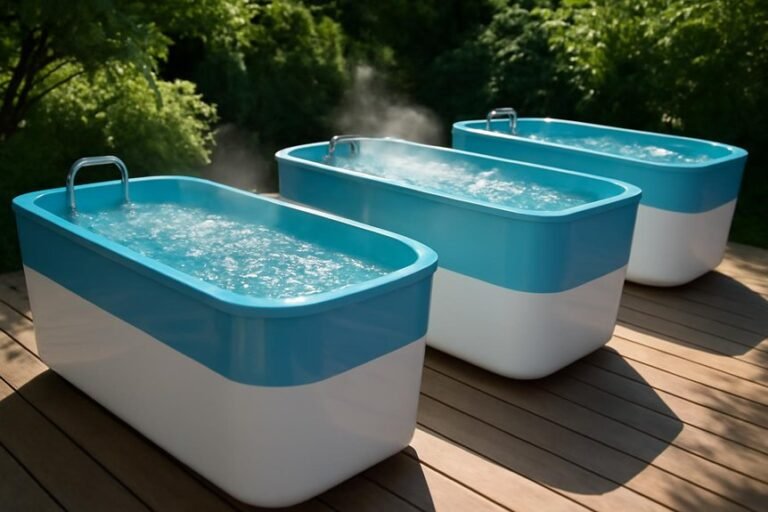
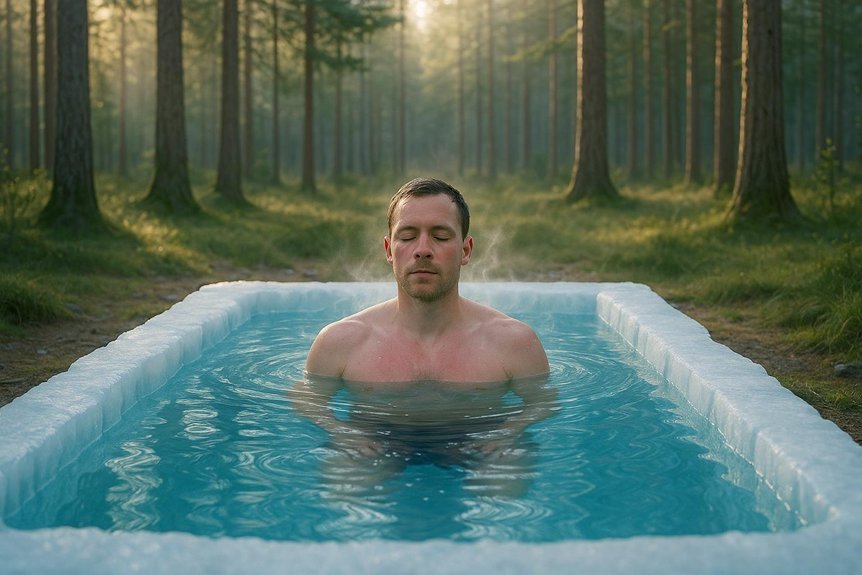
If you’re wondering how long to stay in a cold plunge, think about your goals, experience, and the water temperature rather than following one rigid time; beginners often start with 30 seconds to 2 minutes, intermediates work up to 3–7 minutes, and advanced users may spend 8–12 minutes under careful supervision. Short exposures boost alertness and circulation, while longer sessions drive deeper physiological changes but also raise risks, so you’ll want a clear plan before stepping in.
Key Takeaways
- Beginners: start with 30 seconds to 2 minutes in water under 10°C (50°F), or 2–5 minutes in milder cold.
- Intermediate: aim for 3–7 minutes as tolerance and comfort increase.
- Advanced: under supervision, 8–12 minutes may be appropriate for trained practitioners.
- Stop immediately if you feel intense numbness, confusion, severe breathlessness, or uncontrollable shivering.
- Tailor duration to goals (recovery, mood, resilience) and increase time gradually with safety measures.
Understanding Cold Plunge Goals and How They Change Time Limits
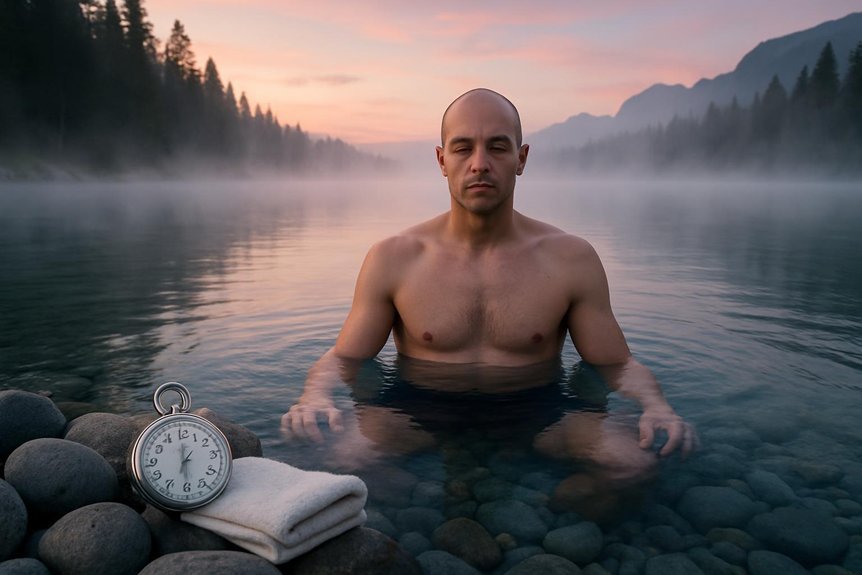
Because your goals determine what you should tolerate in the water, the proper length of a cold plunge can vary widely from person to person. You’ll first identify whether you want recovery, performance gains, mood enhancement, or resilience training, and each aim calls for different exposure. For short-term recovery after intense exercise, brief immersions reduce inflammation and soreness without excessive stress. If you’re chasing mental toughness or adaptive responses, slightly longer sessions, repeated over weeks, drive cold habituation. Mood and alertness benefits can come from moderate durations that stimulate circulation and adrenaline. Always factor in your health status, prior cold exposure, and safety measures; tailoring time to your specific objective helps you gain benefits while minimizing risk and discomfort.
Evidence-Based Time Ranges: Beginners to Advanced
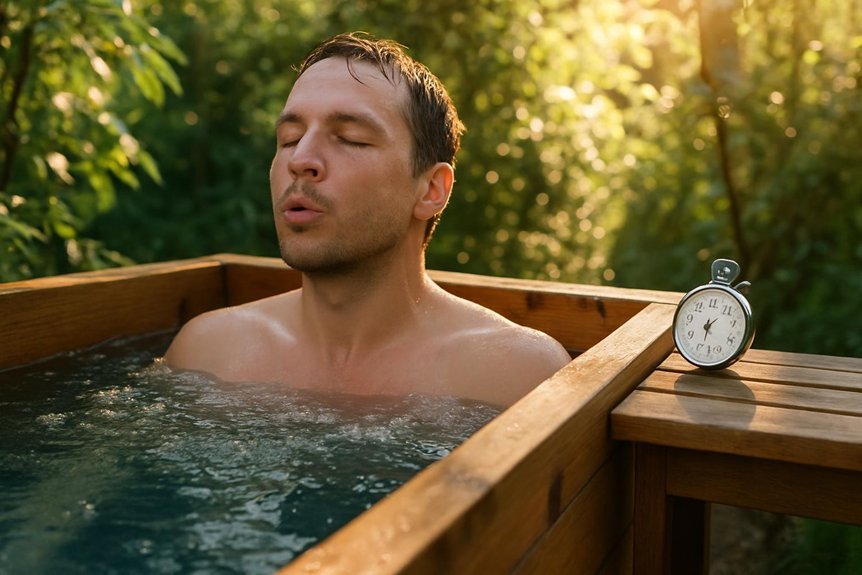
When you’re starting cold plunges, evidence points to clear, graded time ranges tied to temperature and experience level, so it’s helpful to match duration to both your goals and your current conditioning. For beginners, aim for brief exposures: 30 seconds to 2 minutes at colder temperatures (under 10°C / 50°F) or 2–5 minutes at milder cold; these ranges reduce shock while building tolerance. Intermediate users commonly work 3–7 minutes as they adapt, focusing on consistent frequency and careful breathing. Advanced practitioners may extend to 8–12 minutes or slightly more under supervision, particularly at higher temperatures, but diminishing returns and safety risks rise with length. Always adjust based on how you feel, monitor core symptoms, and consult guidance when pushing limits.
Physiological Effects by Duration: What Happens at 30s, 2–5min, and Beyond
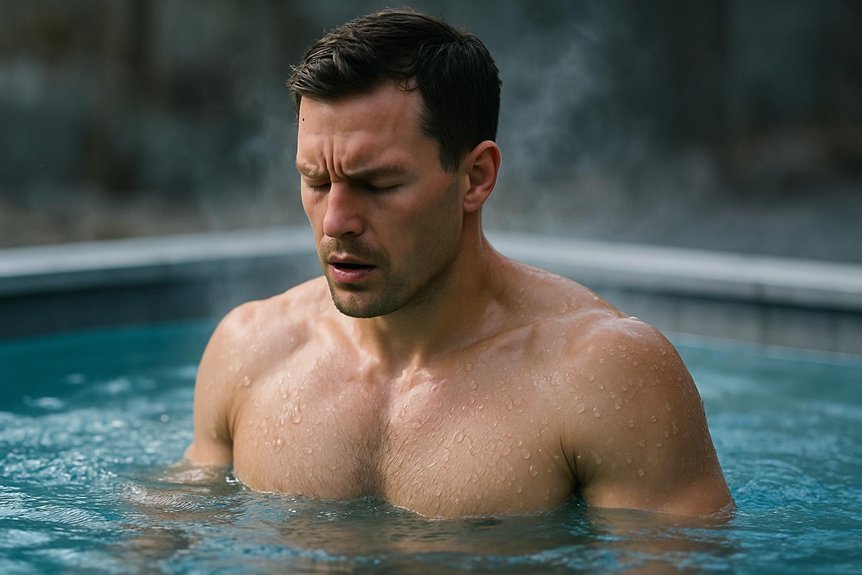
Having set reasonable time ranges for different experience levels, it helps to look at what actually happens in your body across those intervals so you can match duration to desired effects and safety. At 30 seconds, your nervous system reacts: you get a sharp sympathetic surge, faster breathing, and skin vasoconstriction, which can heighten alertness and reduce superficial inflammation. Between 2–5 minutes, core temperature begins to fall modestly, metabolic rate increases to generate heat, brown fat activation and deeper vasoconstriction occur, and you’ll often feel both pain modulation and improved mood from endorphin release. Beyond five minutes, physiological stress intensifies, shivering typically starts, and benefits like prolonged anti-inflammatory effects may increase, though adaptations and tolerance vary by individual.
Safety Guidelines and Contraindications to Prevent Overexposure
Safety should be your top priority whenever you plan a cold plunge, because short-term benefits can quickly turn into dangerous stress if you overdo it; set clear time and temperature limits, have a spotter or easy exit plan, and listen to how your body responds. You should avoid plunging if you have uncontrolled high blood pressure, recent heart issues, or circulatory disorders, since cold causes rapid vasoconstriction and heart rate changes. Pregnant people, individuals with Raynaud’s, or those prone to fainting should consult a clinician first. Don’t combine alcohol or certain medications that blunt shivering or impair judgment. Start conservatively after illness, and stop immediately if you feel intense numbness, confusion, or breathlessness. Use a companion and keep warm-dress options nearby to reduce overexposure risk.
Practical Protocols: Temperature, Breathing, Progression, and Recovery
Because cold-plunge practice hinges on controlled variables, you should plan temperature, breathing, progression, and recovery as an integrated protocol before you get in: pick a starting water temperature (commonly 50–59°F / 10–15°C for beginners), decide on safe time limits, establish a breathing pattern to stay calm, and set staged progression rules so you increase exposure only as your tolerance improves. Begin sessions with focused, slow inhalations and longer exhales to blunt the gasp reflex and maintain clarity; count breaths if that helps. Limit initial immersions to one to three minutes, then add 30–60 seconds only after several consistent sessions. Exit promptly if you feel numbness or dizziness. Warm gradually afterwards with dry clothes, gentle movement, and warm beverages, avoiding hot showers immediately to prevent rapid shifts.
FAQ
Can Cold Plunging Improve Skin Appearance or Reduce Cellulite?
FAQ 1: Can cold plunging improve skin appearance?
Yes, cold plunging can temporarily tighten the skin and enhance circulation, leading to a more vibrant appearance. However, these effects are short-lived and best complemented by a healthy lifestyle.
FAQ 2: Does cold plunging reduce cellulite?
While cold plunging may reduce puffiness and provide temporary tightening of the skin, it does not reliably eliminate cellulite. For more effective results, it’s essential to combine cold plunging with a balanced diet, regular exercise, and targeted treatments.
FAQ 3: How long do the benefits of cold plunging last for skin appearance?
The cosmetic benefits of cold plunging are modest and typically short-term. Individuals may notice improvements in skin appearance immediately after a plunge, but these effects generally diminish quickly.
Can Cold Plunges Help With Weight Loss or Fat Burning?
Can cold plunges help with weight loss?
Yes, cold plunges can aid in weight loss by slightly increasing calorie burn through the activation of brown fat and metabolism stimulation. However, they should not be relied upon as the sole method for losing weight.
How do cold plunges contribute to fat burning?
Cold plunges activate brown fat, which is more metabolically active than white fat, potentially leading to increased calorie expenditure. This process can support fat burning, but it is most effective when combined with a healthy diet and regular exercise.
Are cold plunges enough for significant weight loss?
No, while cold plunges can assist in boosting metabolism, they won’t lead to significant weight loss on their own. Achieving meaningful results requires a comprehensive approach that includes consistent dietary changes and physical activity.
How Should Cold Plunging Be Combined With Sauna Sessions?
FAQ 1: How long should I spend in the sauna during each cycle?
It’s recommended to spend 5–20 minutes in the sauna for each cycle. The duration can vary based on your comfort level and experience.
FAQ 2: How long should I stay in the cold plunge?
You should aim for 1–3 minutes in the cold plunge. This brief exposure helps to maximize the benefits of alternating between heat and cold.
FAQ 3: How many cycles of sauna and cold plunges should I do?
Perform 3–4 cycles of alternating sauna and cold plunges for optimal results. This allows your body to effectively experience the contrasting temperatures.
FAQ 4: What precautions should I take during these sessions?
Ensure to rest between cycles, stay hydrated, and avoid extremes in temperature. If you start to feel dizzy or unwell, it’s important to stop and listen to your body.
Is Cold Water Immersion Safe During Pregnancy?
Is cold water immersion safe during pregnancy?
Cold water immersion is generally not recommended during pregnancy. Sudden temperature changes and vasoconstriction can pose risks to fetal circulation and may even trigger contractions.
What should I do before considering cold water immersion while pregnant?
It’s essential to discuss cold water immersion with your healthcare provider before attempting it. They can provide personalized medical clearance based on your specific health situation.
Are there any risks associated with cold water immersion during pregnancy?
Yes, the main risks include potential effects on fetal circulation due to vasoconstriction and the possibility of triggering contractions from sudden temperature changes. Always prioritize safety and consult with your healthcare provider.
Can You Use Cold Plunges to Treat Acute Injuries at Home?
FAQ 1: Can I use a cold plunge for acute injuries at home?
Yes, cold plunges can be effective for treating acute injuries at home. They help reduce inflammation and numb pain, but it’s important to use them correctly.
FAQ 2: How long should I stay in a cold plunge for injury treatment?
Limit your sessions to 10–20 minutes to avoid adverse effects. Prolonged exposure can lead to skin damage or increased discomfort.
FAQ 3: What precautions should I take when using a cold plunge?
Always check your skin sensation during the session and avoid placing ice directly on open wounds. Stop using the cold plunge if you experience pain, numbness, or dizziness.
Final Thoughts
Decide your cold-plunge duration based on goals, experience, and comfort, starting short and increasing gradually as you adapt. For beginners, aim for 30 seconds to 2 minutes; intermediates can work toward 3–7 minutes; advanced users may reach 8–12 minutes with supervision. Monitor breathing, skin color, and numbness, exit at concerning signs, and prioritize safe temperatures and recovery. If you have medical conditions, consult a clinician before extending exposure. Adjust time responsively, not rigidly.