You’ll use alternating cold plunges and saunas to speed recovery, sharpen circulation, and build stress resilience by leveraging deliberate temperature contrasts and controlled breathing; start with a short warm-up, commit to 30–60 seconds in cold water, then relax for 5–10 minutes in a sauna, and repeat cycles while monitoring heart rate and hydration — there are clear safety rules and progression strategies to follow, so keep going to learn how to tailor this protocol to your goals and health.
Key Takeaways
- Start sessions with light movement, then a 3–5 minute warm-up (shower or low-temperature sauna) to raise core temperature safely.
- Begin cold plunges at 30–60 seconds for beginners, progressing slowly to 1–3 minutes as tolerance improves.
- Alternate sauna (5–10 minutes) and cold plunge cycles, typically 1–3 cycles per session, monitoring breathing and comfort.
- Hydrate, avoid sessions if dizzy or with cardiac risk without medical clearance, and never practice risky exposures alone.
- Track recovery metrics (HRV, resting heart rate, sleep, soreness) and increase weekly load by ~10–20% maximum.
Benefits and Physiological Rationale
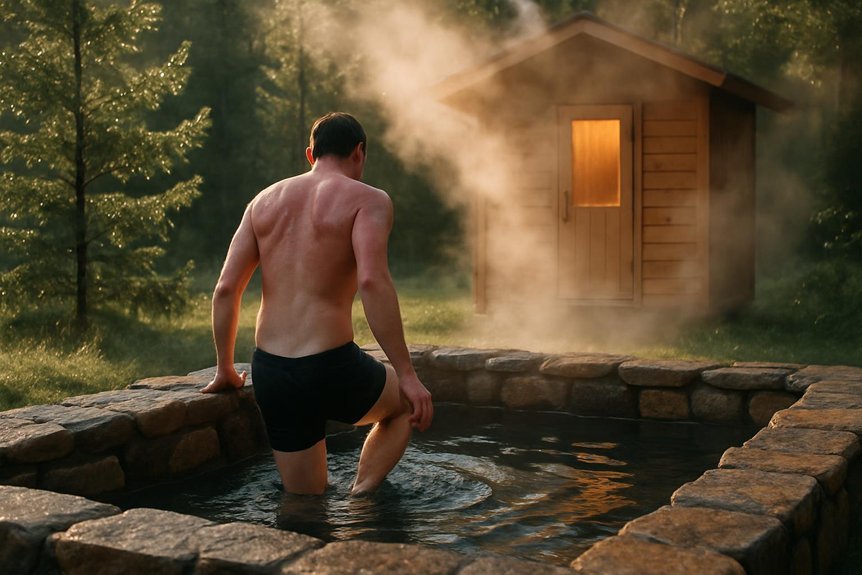
Although the shock of cold followed by deep heat might feel extreme at first, combining cold plunges and sauna sessions produces complementary physiological effects that can boost recovery, circulation, and stress resilience. You’ll experience vasoconstriction in cold, which reduces inflammation and numbs soreness, then vasodilation in heat, which increases blood flow and speeds nutrient delivery to tissues. Repeated exposure trains your autonomic nervous system, improving heart rate variability and stress regulation, while heat stimulates heat-shock proteins that assist cellular repair. Metabolic rate and calorie expenditure rise briefly during thermal shifts, and immune function may benefit from modest, repeated challenges. Together these responses support muscle recovery, reduce delayed onset soreness, and build tolerance to physical and mental stressors when used consistently and thoughtfully.
Safety Considerations and Contraindications
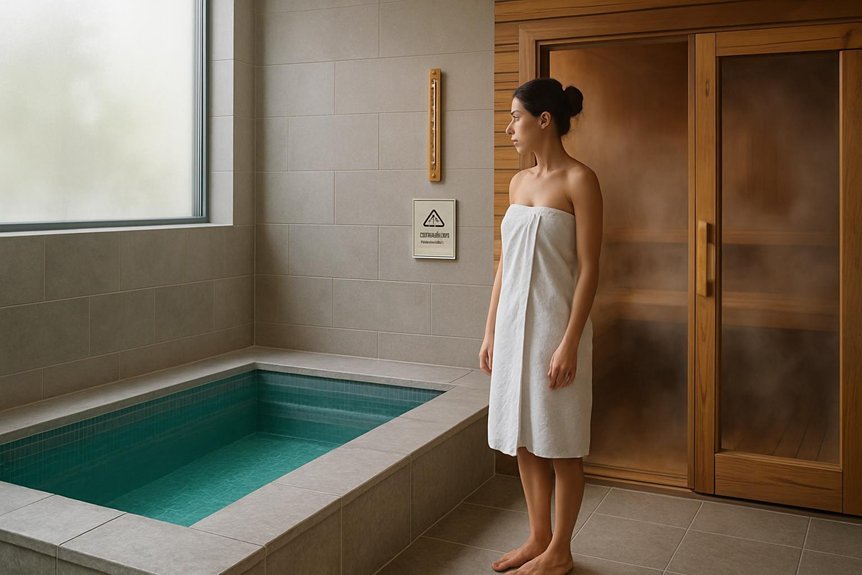
The physiological benefits of alternating cold plunges and sauna sessions are compelling, but you also need to respect the stresses this practice places on your body and cardiovascular system. Start slowly if you have high blood pressure, heart disease, arrhythmias, or a history of stroke; abrupt temperature shifts can provoke dangerous changes in heart rate and blood pressure. Pregnant people, those with uncontrolled diabetes, and individuals on vasodilating or anticoagulant medications should consult a clinician before attempting contrast therapy. Watch for dizziness, chest pain, prolonged breathlessness, or fainting—these signs require immediate cessation and medical evaluation. Hydration and gradual progression matter, and you should never practice alone if you have significant medical risks. When in doubt, get clearance from your healthcare provider.
Equipment, Environment, and Preparation
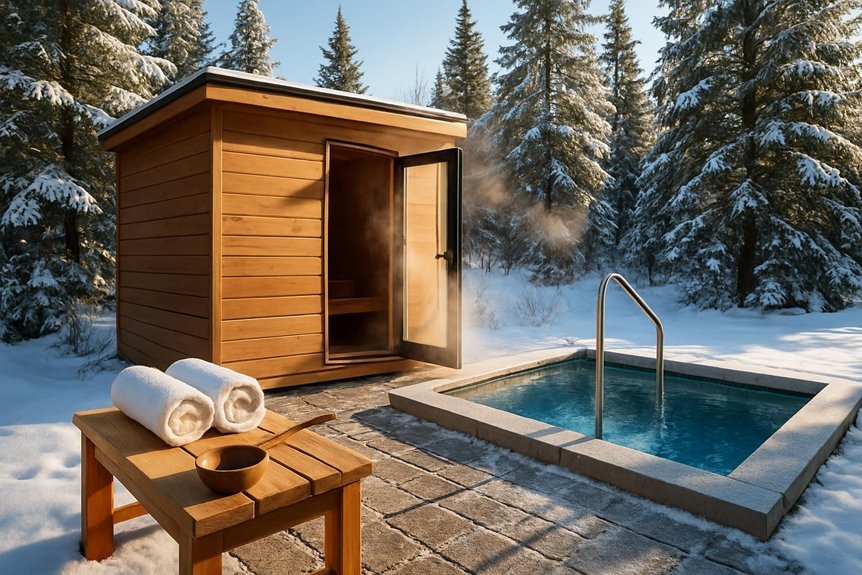
Before you step into either the cold plunge or the sauna, make sure your equipment is set up correctly and inspected for leaks, secure fittings, and reliable temperature control so you won’t face surprises mid-session. Check that the sauna has proper ventilation, functioning alarm or timer systems, and clear pathways to exits, because good airflow and easy egress are key to safety and comfort. With these basics handled, you’ll be ready to focus on timing and technique without unnecessary risk.
Proper Cold Plunge Setup
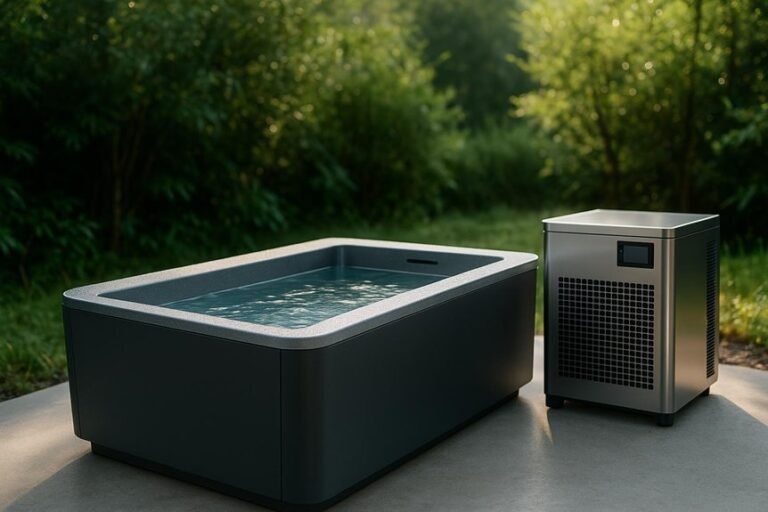
Setting up a cold plunge correctly takes a bit of planning, but getting the equipment, environment, and preparation right will make your sessions safer and more effective. Choose a tub or tank sized for comfortable immersion; durable, nonporous materials and an insulated cover help maintain temperature and cleanliness. Use a reliable thermometer, and aim for consistent water temperature with a chiller or regular ice replenishment. Position the plunge on a stable, level surface with good drainage and non-slip flooring nearby. Keep towels, a robe, and a timer within reach so you don’t fumble when exiting. Sanitize water with appropriate filtration and occasional shock treatments, and test pH regularly. Finally, tell someone when you’re trying cold exposure for the first time and have a spotter available.
Sauna Ventilation & Safety
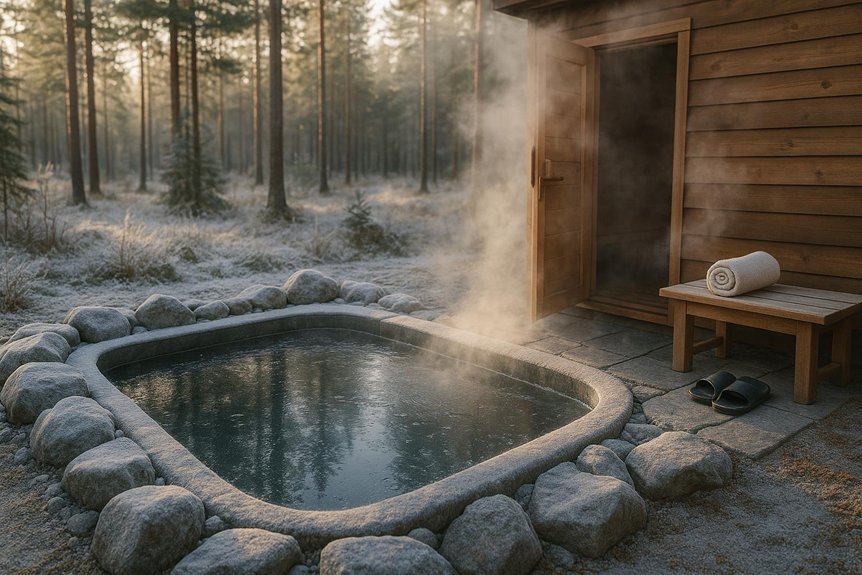
After you’ve got your cold plunge set up and safe, it’s equally important to pay attention to the sauna side of your routine so both spaces work together and don’t create new hazards. Check ventilation first: verify fresh air supply and an exhaust path to prevent overheating and remove excess humidity, which can damage wood and electronics. Install or verify vents, a small fan, or a heat-resistant air exchanger, and follow manufacturer specs for clearances around the heater. Keep a working carbon monoxide detector if you use gas or wood heat, and a thermostat or high-limit cutoff to prevent runaway temperatures. Maintain non-slip flooring, clear sightlines for attendant access, and a dry, well-lit exit route. Prep by reviewing emergency procedures and testing equipment regularly.
Step-by-Step Session Protocols (Beginner → Advanced)
You’ll start with a clear, beginner-friendly session structure that outlines short sauna and cold-plunge intervals, simple breathing cues, and easy exit points so you can build confidence safely. As you progress, you’ll extend timing and adjust contrast frequency in measured steps, tracking how your body responds to avoid overreach. Always respect safety guidelines and contraindications—know when to stop, consult a clinician for medical concerns, and never push through alarming symptoms.
Beginner Session Structure
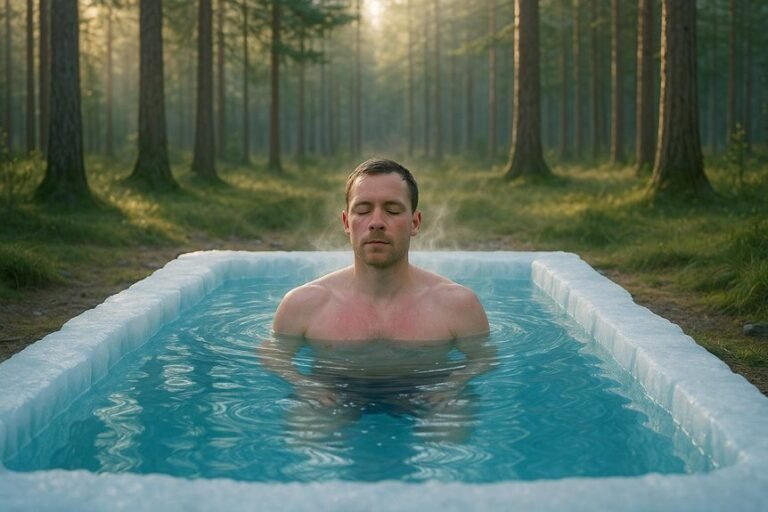
Start with a simple, predictable routine so your body can adapt safely and you can learn how each phase feels: begin with 5–10 minutes of light movement or mobility to raise heart rate gently, follow with a 3–5 minute warm shower or brief saunas at a low temperature to prime circulation, then enter the cold plunge for an initial 30–60 seconds while focusing on steady, diaphragmatic breaths, and finish with 3–5 minutes of passive warming (towel wrap or low heat) before deciding whether to repeat the cycle. After that initial cycle, keep the session compact: one to three cycles are appropriate for beginners, with clear attention to breathing and comfort. Monitor how your body responds, stay hydrated, and have a sober exit plan if you feel dizzy or overly chilled.
Progression & Timing
When you’re ready to move beyond the beginner routine, plan progression around three controlled variables—duration, temperature, and repetition—so you can increase stress gradually while tracking how your body responds; change only one variable at a time (for example, add 15–30 seconds to cold exposure while holding sauna time and temperature constant) to isolate effects and reduce risk. Start by lengthening sessions in small increments: add time to the sauna first, then to the cold plunge in later weeks. Next, adjust temperature conservatively — slightly hotter saunas or slightly colder plunges — monitoring perceived exertion and recovery. Finally, increase repetition by adding an extra sauna-cold cycle once you tolerate single cycles well. Keep a simple log so you can spot trends and optimize progress.
Safety & Contraindications
Progressing your exposure by adjusting time, temperature, and cycles improves adaptation, but it also raises the need for careful safety checks and awareness of contraindications before you increase intensity. Start by consulting a healthcare provider if you have cardiovascular disease, uncontrolled hypertension, arrhythmias, diabetes with neuropathy, recent stroke, or pregnancy; these conditions can make extreme temperature swings risky. Always hydrate, avoid alcohol or heavy meals beforehand, and never go alone; have someone nearby or staff informed. Monitor for dizziness, chest pain, severe shortness of breath, or fainting — exit immediately and seek help. Begin conservatively, use a timer and thermometer, and keep sessions short while you assess tolerance. Stop progression until cleared if any concerning symptoms arise.
Recovery, Hydration, and Monitoring Metrics
Although contrast therapy—alternating cold plunges with sauna sessions—delivers potent benefits for circulation and muscle recovery, effective results depend as much on your recovery practices, hydration strategy, and monitoring as they do on timing and temperature. After sessions, prioritize active recovery: gentle mobility work, foam rolling, and progressive stretching reduce stiffness and help tissues adapt. Rehydrate proactively; you’ll lose fluids and electrolytes through sweat and cold-induced diuresis, so drink water and consider sodium, potassium, or a balanced electrolyte beverage. Track simple metrics: resting heart rate, sleep quality, perceived soreness, and mood to detect overreach. Use objective data like HR variability and body weight trends if available. Rest days and nutrition rich in protein and anti-inflammatory foods support repair, letting you sustain benefits safely and consistently.
Progression Strategies and Weekly Programming
Since gradual overload works for thermal stress just like it does for strength training, you’ll want to build intensity and volume deliberately to get benefits without triggering excessive fatigue or risk, starting with shorter, milder exposures and advancing as your tolerance and recovery metrics allow. Begin with two to three sessions weekly—mix short cold plunges (1–2 minutes) and brief sauna bouts (5–10 minutes), separated by recovery days. After two to four weeks, increase duration or add a session, but limit weekly progression to about 10–20% to avoid overreaching. Use alternating focus weeks: one heavier week with slightly longer exposures, then a lighter week for recovery. Track sleep, resting heart rate, and perceived soreness, and adjust programming if recovery markers worsen.
FAQ
Can Cold Plunge or Sauna Affect My Medication Effectiveness?
FAQ: Can using a sauna affect my medication?
Yes, using a sauna can impact drug absorption and metabolism, potentially altering the effectiveness of your medication. It’s important to consult with your healthcare provider before incorporating regular sauna sessions into your routine.
FAQ: Does cold plunging influence how my medication works?
Cold exposure can affect blood pressure and drug absorption, which may change how effective your medications are. Always discuss with your prescriber before starting cold plunge therapy if you’re on medication.
FAQ: Should I be concerned about patch adhesion with heat or cold?
Yes, both heat and cold can influence the adhesion of transdermal patches, possibly leading to inconsistent medication delivery. It’s advisable to talk to your doctor about the use of patches if you plan to use saunas or cold plunges.
How Soon After Exercise Should I Do Cold Plunge or Sauna?
How long should I wait after exercising before doing a cold plunge?
It’s recommended to wait 10–30 minutes after your cool-down to allow your heart rate to settle before entering a cold plunge.
Can I use the sauna immediately after exercising?
Yes, you can enter the sauna within 5–15 minutes post-exercise to aid in recovery.
Should I listen to my body when deciding to use a cold plunge or sauna?
Absolutely. Pay attention to how you feel and adjust your timing accordingly to ensure a comfortable recovery process.
Is hydration important when using cold plunges or saunas?
Yes, staying hydrated is crucial. Make sure to drink water before and after using either method to support your recovery.
Can I Combine Sauna and Cold Plunge With Fasting or Keto?
Can I use a sauna and cold plunge while fasting?
Yes, you can incorporate a sauna and cold plunge into your fasting routine. However, it’s important to monitor your energy levels, stay hydrated, and maintain electrolyte balance as these practices can affect your body during a fast.
Is it safe to combine sauna and cold plunge with a keto diet?
Absolutely! Combining sauna and cold plunge with a keto diet can be beneficial, but be sure to listen to your body and adjust your routine as needed. Hydration and electrolyte management are key components to consider.
Should I consult a clinician before combining these practices?
Yes, it’s advisable to consult your clinician, especially if you have any underlying medical conditions or are taking medications. They can provide personalized guidance based on your health status.
Do Cold Plunge or Sauna Change Skin Appearance Long-Term?
FAQ: Do cold plunges improve skin appearance?
Yes, regular cold plunges can enhance skin tone and reduce puffiness and inflammation over time. The benefits may vary based on individual frequency and overall skincare habits.
FAQ: How does sauna use affect skin health?
Sauna sessions can improve circulation and promote collagen production, contributing to healthier skin. Consistent use may lead to noticeable changes in skin texture and appearance.
FAQ: What factors influence the effectiveness of cold plunges and saunas on skin?
The results from cold plunges and saunas depend on several factors, including frequency of use, genetics, hydration levels, and overall skincare routines.
FAQ: Are there any long-term benefits to using cold plunges and saunas for skin?
Yes, over time, both cold plunges and saunas can lead to long-term improvements in skin appearance, such as a more even tone and reduced signs of aging, provided they are combined with proper skincare practices.
Are There Age Limits for Starting Contrast Therapy?
FAQ: At what age can someone start contrast therapy?
Contrast therapy can be initiated at various ages, but it’s advisable to be cautious with very young children, the elderly, and pregnant individuals.
FAQ: Are there any health conditions that prevent someone from using contrast therapy?
Yes, individuals with heart issues, blood pressure problems, or vascular conditions should avoid contrast therapy. It’s important to consult a doctor beforehand to ensure safety.
FAQ: Should I consult a doctor before starting contrast therapy?
Absolutely. Consulting a doctor is crucial to confirm that contrast therapy is safe for you, particularly if you have any underlying health concerns.
Final Thoughts
You’ve now got a practical cold plunge + sauna protocol that balances recovery, resilience, and safety. By following the step-by-step sessions, monitoring hydration and essential signs, and progressing gradually from beginner to advanced, you’ll optimize muscle recovery and reduce soreness while minimizing risk. Stick to contraindication guidance, use proper equipment and environment, and log responses to adjust programming. With consistent, cautious practice two to three times weekly, you’ll build durable physical and mental benefits.