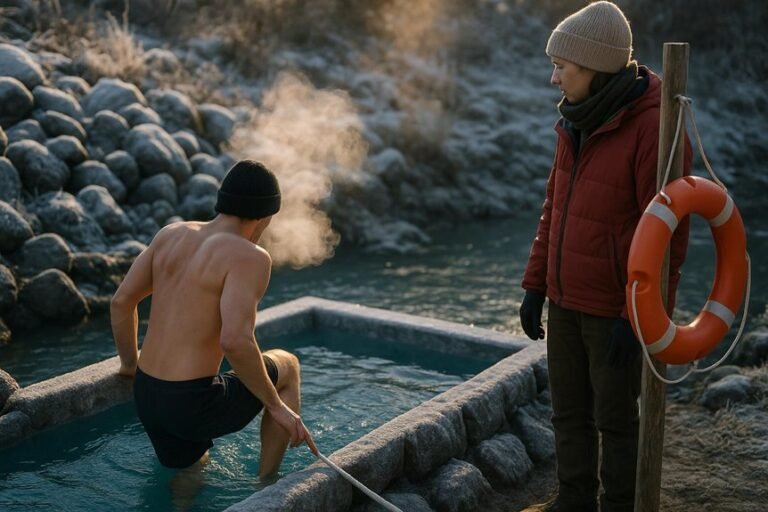
You can use cold plunges to boost metabolism and target fat loss by activating brown adipose tissue and increasing calorie burn, but it’s not a magic fix and effects vary by person. Start conservatively with shorter, milder exposures and build up as you monitor heart rate, comfort, and shivering; combine plunges with sensible nutrition and training for best results. Keep safety top of mind, because proper temperature, duration, and medical clearance matter — here’s how to proceed.
Key Takeaways
- Use water at 10–15°C (50–59°F) to optimally activate brown adipose tissue and increase cold-induced thermogenesis.
- Start with 1–2 minutes for beginners, progressing toward 5–10 minutes as tolerance and response allow.
- Aim for 2–3 sessions per week, or daily short plunges for experienced users, adjusting by individual recovery and goals.
- Schedule cold plunges on low-intensity or rest days, and separate from high-intensity training by several hours.
- Screen for cardiovascular risks, monitor symptoms, and have a buddy/emergency plan to prevent hypothermia or cardiac events.
How Cold Exposure Affects Metabolism and Fat Cells
Although the idea of stepping into icy water can feel intimidating, cold exposure triggers several specific changes in your metabolism and fat tissue that explain why it’s studied for fat loss. When you enter cold, your body raises energy use to keep core temperature stable, increasing calorie burn through shivering and non-shivering thermogenesis. Circulation shifts deliver warm blood to essential organs while peripheral tissues cool, which can alter fat cell signaling and lipolysis rates. Cold also influences hormonal responses — catecholamines rise, stimulating fat breakdown, and thyroid activity can adjust metabolic rate. Cellular stress pathways change mitochondrial activity, potentially increasing efficiency of energy use. These combined effects create a short-term metabolic boost, though magnitude and duration vary across individuals.
Brown Adipose Tissue: Activation, Evidence, and Limits
You’ll learn how brown adipose tissue (BAT) works as a metabolically active fat that burns calories through mitochondrial heat production, especially when you’re exposed to cold. Cold-induced thermogenesis recruits and activates BAT, raising energy expenditure, but the magnitude and duration of that effect vary widely between individuals and depend on exposure intensity and frequency. While animal and human studies show promising mechanisms, translational evidence has limits—long-term fat loss from BAT activation in real-world conditions remains uncertain, and practical cold-plunge protocols need careful evaluation.
Brown Fat Physiology
When exposed to cold, your body can recruit brown adipose tissue (BAT), a specialized form of fat that burns calories to produce heat rather than storing them; this thermogenic activity is driven by abundant mitochondria and the protein UCP1, which uncouples oxidative phosphorylation to generate warmth. You should know BAT differs from white fat in cellular structure, vascularization, and nerve supply, making it suited for rapid heat generation. Activation involves sympathetic signaling and local metabolic shifts, yet BAT volume and activity vary widely with age, sex, genetics, and body composition. Imaging studies confirm BAT presence in adults but also show limits: its total contribution to daily energy expenditure is modest. Still, understanding BAT physiology helps set realistic expectations for cold-based fat loss strategies.
Cold-Induced Thermogenesis
If you expose yourself to cold often enough and at the right intensity, your body can increase heat production through cold-induced thermogenesis, a process that leans heavily on brown adipose tissue (BAT) and related metabolic adjustments. You’ll trigger sympathetic nervous system signals that release norepinephrine, which binds BAT receptors and ramps up mitochondrial uncoupling via UCP1, producing heat instead of ATP. That elevated energy use can modestly raise daily calorie expenditure, especially in lean or younger individuals who have more active BAT. You’ll also see shivering thermogenesis supplementing BAT when exposures are intense. Evidence from human imaging and metabolic studies supports activation, but effects vary by age, body composition, and exposure pattern. Practical cold plunges aim to stimulate BAT without excessive shivering.
Translational Evidence Limits
Although activating brown adipose tissue (BAT) in humans has clear metabolic appeal, translating controlled lab findings into real-world fat-loss strategies faces several important limits you should know, because those limits shape how much benefit cold exposure can actually deliver. Most human studies are short, use small samples, or rely on cold clamps and imaging that don’t mimic everyday plunges, so effects seen under ideal conditions may shrink in practical settings. Individual differences—age, adiposity, fitness, and genetics—change BAT quantity and responsiveness, meaning you won’t get uniform results. Compensatory behaviors like increased appetite or reduced activity can offset energy burned. Finally, safety, compliance, and unclear long-term outcomes restrict broad recommendations, so expect modest, individualized benefits rather than dramatic fat loss.
Who Should Avoid or Modify Cold Plunge Practice
Because cold plunges put sudden stress on your cardiovascular and nervous systems, some people should avoid them or use extra precautions, and you’ll want to know who falls into those groups before you try plunging for fat loss. You should avoid plunges if you have uncontrolled high blood pressure, recent heart disease, arrhythmias, or a history of fainting, since cold can trigger dangerous spikes in heart rate and blood pressure. Pregnant people, young children, and older adults with frailty should modify or skip sessions because thermoregulation differs across life stages. If you take medications that affect circulation or nerve responses — beta blockers, vasodilators, or certain psychiatric drugs — consult your clinician. Also pause plunges during acute illness, infection, or after heavy alcohol use.
Safe Temperature Ranges and Why They Matter
You’ll generally want to keep cold plunges in a safe, recommended window — often around 50–59°F (10–15°C) for most adults — to get metabolic benefits without undue stress on the body. Going much colder increases the risk of hypothermia, cardiovascular strain, and loss of motor control, so extreme temperatures should be approached cautiously or avoided. Because individual tolerance varies with age, health status, and prior cold exposure, you should adjust the temperature and duration to your personal comfort and medical advice.
Recommended Temperature Window
Choosing the right temperature window for a cold plunge matters because it determines both safety and the likelihood of metabolic benefits, and a sensible range helps you get results without undue risk. Aim for water between 50°F and 59°F (10°C–15°C) for most adults; this range stimulates brown fat activation and increases metabolic rate without forcing immediate shock responses. Beginners should start at the warmer end and limit immersion to short durations, while more experienced users can use lower temps with gradual adaptation. Always monitor how your body responds—shivering, numbness, or dizziness mean you should exit. Pair temperature with controlled breathing, timed sessions, and incremental exposure to optimize fat-loss support while keeping safety front and center.
Risks of Excessive Cold
You’ve already seen why a sensible temperature window matters for stimulating metabolism without triggering shock responses, but pushing colder than recommended brings distinct hazards you need to know about. Excessive cold can impair coordination and judgment very quickly, increasing risk of slips, falls, and drowning during a plunge; it can also provoke dangerous cardiovascular responses like rapid blood pressure changes, arrhythmias, or even cardiac arrest in susceptible individuals. Prolonged exposure promotes hypothermia, where core temperature drops and body systems slow, producing confusion, severe shivering, and organ dysfunction. Nerve and tissue damage from local cold injury — frostbite-like effects — can occur with extreme or repeated exposures. Stick to safe ranges, control duration, monitor symptoms, and exit immediately if you feel numbness, dizziness, or chest discomfort.
Individual Tolerance Factors
Because people differ in body composition, age, health status, and prior cold exposure, the safe temperature for a cold plunge isn’t one-size-fits-all — it’s a range you tailor to your physiology and goals. You should consider starting milder (15–20°C / 59–68°F) if you’re new, older, have low body fat, or carry cardiovascular risk; these temperatures reduce shock while still stimulating metabolism. If you’re experienced, healthy, and acclimated, cooler ranges (10–15°C / 50–59°F) can be effective for brown fat activation and thermogenic responses. Below 10°C risks excessive vasoconstriction, hypothermia, and arrhythmia for many people. Always monitor how you feel, limit duration as you test tolerance, and consult a clinician when health conditions or medications might alter your cold response.
Recommended Session Durations and Progression
Progressive timing matters more than a single “perfect” duration, so start conservatively and increase session length as your tolerance and comfort improve. Begin with 1–2 minutes if you’re new to cold exposure; that short, controlled exposure lets your body adapt without undue stress. Over two to four weeks, add 30–60 seconds per session as long as you feel stable and breathing stays steady. Aim for a practical target of 5–10 minutes for most people seeking metabolic benefit; more experienced individuals may extend to 12–15 minutes but only after months of consistent practice. Always prioritize safe exits if you feel numbness, dizziness, or extreme shivering. Log session lengths and subjective reactions so you can progress methodically and avoid abrupt jumps.
Weekly Frequency and Scheduling With Workouts
When planning weekly cold plunge sessions alongside your workouts, aim for a consistent but flexible schedule that supports recovery and metabolic goals without undermining training adaptations. Start with two to three plunges per week, placing them on moderate or low-intensity days to aid recovery without blunting strength or hypertrophy signals from heavy lifting. If you do high-intensity interval training or maximal strength sessions, separate cold exposure by several hours or schedule it on a different day. On lighter cardio or active recovery days, a post-session plunge can reduce soreness and help adherence. Monitor how you feel and adjust frequency—some people benefit from daily short plunges, others from twice-weekly sessions. Prioritize sleep, hydration, and gradual progression when altering the plan.
Combining Cold Plunges With Nutrition and Fasting
After you’ve settled on how often to cold plunge around your workouts, consider how those sessions fit with your eating patterns and any fasting you’re doing. Cold exposure can influence appetite and metabolic responses, so plan timing to support goals: if you practice intermittent fasting, schedule plunges toward the end of a fasting window to avoid dizzy feelings and to take advantage of elevated fat oxidation. When you eat after a plunge, prioritize protein and healthy fats to aid recovery and thermogenesis. Avoid intense cold exposure immediately after a large carbohydrate-heavy meal, since blood flow shifts can affect digestion. Stay hydrated, monitor how hunger and energy change, and adjust meal timing or plunge duration if you notice fatigue, lightheadedness, or poor workout performance.
Practical Safety Measures and Emergency Preparedness
Before you start, get a basic medical screening to check for heart, blood pressure, or other conditions that could make cold exposure risky, and tell your healthcare provider you plan to include cold plunges in your routine. Set strict time limits for each session based on water temperature and your tolerance, and use a timer so you won’t overstay in the cold. Finally, have an emergency response plan — someone nearby who knows what to do, easy access to warm clothing and a phone, and clear steps for hypothermia or fainting — so you can act fast if something goes wrong.
Pre-Plunge Medical Screening
While cold plunging can boost metabolism and recovery, you should complete a focused medical screening to reduce risks and guarantee you’re ready for the stress of extreme cold exposure. Begin by reviewing cardiovascular health—get blood pressure, ECG if you’re over 40 or have heart disease, and discuss any arrhythmias with your clinician. Evaluate respiratory conditions like asthma or COPD, since cold shock can trigger bronchospasm. Screen for diabetes, peripheral vascular disease, Raynaud’s, and neuropathy that might impair cold sensation. Review medications that affect thermoregulation or blood pressure, including beta-blockers and vasodilators. If you have fainting history, uncontrolled hypertension, or recent major illness, defer plunges until cleared. Finally, document emergency contacts and a written clearance when the provider approves your plan.
Cold Exposure Time Limits
Having completed a focused medical screening and received clearance, you should set clear, conservative time limits for each cold plunge to minimize risk and maximize benefit. Begin with short exposures, typically 1–3 minutes at very cold temperatures (below 10°C/50°F), and gradually increase duration only as you tolerate the stress and remain comfortable. Limit unaccompanied sessions and avoid extended immersions that push you toward uncontrollable shivering or cognitive impairment; these are signs to end the plunge. For most people, 5–10 minutes is a reasonable upper bound during routine practice, while advanced users may extend cautiously with professional guidance. Always monitor subjective responses—breathing, coordination, and thermal sensation—and stop immediately if you feel dizzy, numb, or disoriented.
Emergency Response Plan
Because cold plunges can rapidly overwhelm your body’s defenses, you need a clear, practiced emergency response plan that turns intent into immediate action. Before you begin, identify a sober buddy or trained observer, agree on hand signals and maximum exposure times, and keep a phone and emergency contacts within reach. Post a visible checklist by the plunge: stop criteria, rewarming steps, and when to call emergency services. If someone shows confusion, uncontrollable shivering, loss of coordination, or fainting, remove them from the water, warm the core with dry clothing and blankets, and monitor breathing and circulation. Use passive rewarming first, avoid rapid heat like hot baths if numbness persists, and seek medical care for prolonged symptoms. Practice drills monthly.
Tools, Gear, and Low-Cost Cold Plunge Options
If you want to make cold plunges a regular part of your fat-loss plan, choosing the right tools and gear will save time, money, and frustration while keeping your sessions safe and effective. Start with basics: a sturdy tub or stock tank gives stable volume and is often cheaper than specialized units; insulate with foam or a tarp to reduce heat gain. Use a reliable thermometer and a simple timer to control exposure and document sessions. If you want mobility, consider inflatable tubs or chest-high kiddie pools for quick setup. For temperature control on a budget, add bags of ice or a small aquarium chiller for consistent cooling. Wear neoprene booties or a cap for comfort, and keep a non-slip mat nearby for safety.
Tracking Progress: Metrics and Expected Timelines
Now that you’ve picked the right tub, thermometer, and setup, you’ll want a clear way to measure whether cold plunges are helping your fat-loss plan and how quickly they’re working. Track body weight weekly, but pair it with body-fat estimates—calipers, bioelectrical impedance, or a DEXA scan if available—so you don’t confuse water shifts with true fat loss. Measure waist circumference and progress photos every two weeks to spot visual changes. Record session details: temperature, duration, frequency, and how you felt afterward; these help link protocol tweaks to results. Expect modest fat-loss signals after 4–6 weeks, clearer trends by 8–12 weeks. If nothing changes after three months, reassess diet, activity, and plunge parameters with realistic expectations.
FAQ
Can Cold Plunges Improve Skin Tone or Cellulite Appearance?
Can cold plunges improve skin tone?
Yes, cold plunges can temporarily tighten the skin, which may enhance overall skin tone. This effect is due to improved circulation and reduced puffiness.
Do cold plunges help with the appearance of cellulite?
Cold plunges might slightly improve the appearance of cellulite by increasing circulation and reducing fluid retention. However, these results are usually subtle and temporary.
How often should I do cold plunges for best results?
Consistency is key for achieving any noticeable effects. Regular sessions are recommended, but keep in mind that the results tend to be short-lived.
Do Cold Plunges Affect Sleep Quality or Circadian Rhythm?
Do cold plunges improve sleep quality?
Yes, cold plunges can enhance sleep quality by lowering your core temperature, which can help you fall asleep faster and achieve deeper sleep.
How do cold plunges affect circadian rhythm?
Cold plunges can help reset your circadian rhythm by influencing melatonin timing, promoting a more natural sleep-wake cycle.
When is the best time to take a cold plunge for sleep benefits?
For optimal sleep benefits, it’s recommended to take cold plunges earlier in the evening to aid in falling asleep and improving overall sleep quality.
Are There Differences Between Ice Baths and Cryotherapy Chambers?
FAQ: What is the main difference between ice baths and cryotherapy chambers?
Ice baths involve immersing the body in cold water, which affects overall body temperature and circulation. In contrast, cryotherapy chambers use extremely cold air or nitrogen for brief periods, focusing on surface cooling.
FAQ: How do the durations of ice baths and cryotherapy sessions compare?
Ice baths typically require longer immersion times to achieve desired effects, while cryotherapy sessions are much shorter, often lasting only a few minutes.
FAQ: Are there different safety and recovery profiles for ice baths and cryotherapy?
Yes, ice baths may pose risks such as hypothermia if not monitored properly, whereas cryotherapy chambers are designed for quicker treatments with specific safety protocols. Recovery experiences can also vary based on individual tolerance and method used.
Will Cold Plunges Reduce Appetite or Cravings Long-Term?
FAQ: Do cold plunges help reduce appetite?
Cold plunges may provide short-term appetite suppression, but they are not a reliable long-term solution for reducing appetite.
FAQ: Can cold exposure help with cravings?
While cold exposure may temporarily lessen cravings, it does not lead to sustained changes in eating behavior or cravings.
FAQ: What is needed for long-term appetite control?
Long-term appetite control requires consistent behavioral changes, dietary adjustments, and metabolic interventions, rather than relying on occasional cold plunges.
FAQ: Are cold plunges effective for weight management?
Cold plunges alone are not effective for weight management; a comprehensive approach that includes diet and lifestyle changes is necessary for lasting results.
Can Children or Adolescents Use Cold Plunges for Fitness Benefits?
FAQ: Can children use cold plunges for fitness benefits?
Children may benefit from cold plunges, but it’s essential they receive approval from a pediatrician first. Their bodies respond differently to cold, so professional guidance is crucial.
FAQ: What precautions should be taken when children use cold plunges?
Close supervision is necessary when children use cold plunges. It’s important to start with short exposures and gradually adapt to prevent distress or hypothermia.
FAQ: Why do children have a higher risk of hypothermia in cold plunges?
Children have a higher surface area-to-volume ratio, making them more susceptible to rapid heat loss. This increases their risk of hypothermia in cold environments like plunges.
Final Thoughts
You can use cold plunges to modestly boost metabolism and support fat loss, but they’re not a magic solution. When you follow safe temperatures (50–59°F/10–15°C), start slowly, and increase duration gradually, you’ll activate brown adipose tissue and burn extra calories while limiting risks. Combine plunges with sensible nutrition, resistance training, and sleep for best results, monitor responses, and consult a healthcare professional if you have health concerns or unusual symptoms.