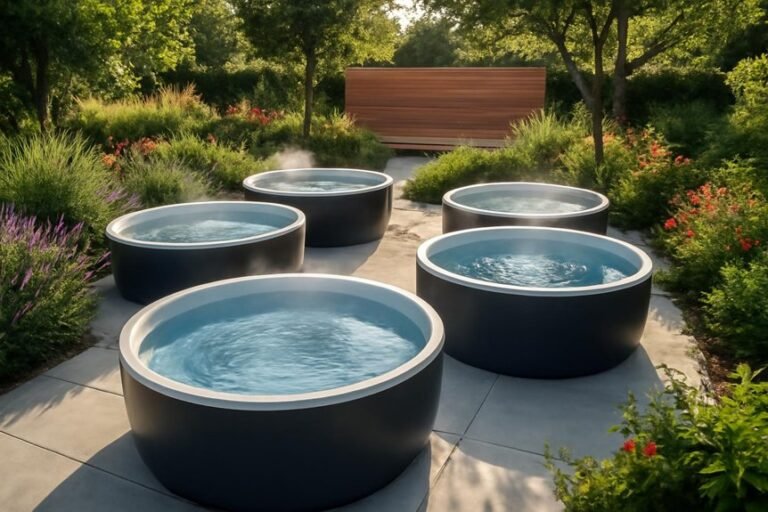
If you want better sleep, a targeted cold plunge can help by lowering core temperature and activating rest-promoting pathways; aim for 50–59°F (10–15°C) for 1–3 minutes about 60–90 minutes before bed, though beginners can start warmer and shorter. I’ll outline the physiology, timing, safe at-home steps, and how to adapt the protocol for different needs so you can decide whether this fits your routine.
Key Takeaways
- Do a cold plunge 60–90 minutes before bedtime to allow rebound warming that signals physiological sleep readiness.
- Use water at 50–59°F (10–15°C); beginners start at 59–64°F (15–18°C) to build tolerance safely.
- Begin with 1–3 minutes immersion and gradually increase toward 5–10 minutes as tolerance improves.
- Prepare a safe setup: check temperature, non‑slip entry, towels, warm clothes, and monitor breathing and comfort.
- Consult your healthcare provider for pre‑existing conditions and adjust temperature, duration, and timing based on individual sensitivity.
How Cold Plunges Improve Sleep Physiology
Because your body tightly regulates core temperature to support sleep, exposing yourself to cold water can produce measurable changes that make falling asleep and staying asleep easier. You’ll cool skin and shallow tissues, prompting vasoconstriction at the surface and shifting heat toward your core, which later facilitates the natural night-time drop in internal temperature. Cold exposure also activates the parasympathetic nervous system after initial stimulation, lowering heart rate and reducing sympathetic arousal, so you feel calmer before bed. Hormonal responses include transient increases in norepinephrine and longer-term improvements in sleep-promoting cytokines and melatonin rhythm stability. Together, these physiological shifts shorten sleep latency, boost slow-wave sleep depth, and improve sleep continuity, giving you a practical, science-backed tool to enhance restorative rest.
When to Schedule Your Cold Plunge for Optimal Nighttime Rest
While timing can vary with individual schedules and sensitivity to cold, planning your cold plunge at the right point in the evening can meaningfully improve how quickly you fall asleep and the quality of deep sleep you achieve. Aim to finish your plunge roughly 60–90 minutes before your planned bedtime so your body can complete the rebound warming that signals sleep readiness, lowering core temperature and promoting melatonin release. If you exercise late, schedule the plunge after activity to aid recovery and avoid stimulating effects. Keep a consistent nightly routine: similar timing helps anchor circadian cues. If you’re sensitive to cold or prone to alertness afterward, try a slightly earlier slot and monitor sleep latency and restfulness for several nights, then adjust accordingly.
Recommended Temperatures and Durations for Sleep-Focused Plunges
When you’re planning a cold plunge specifically to improve sleep, aim for water temperatures in the 50–59°F (10–15°C) range for most adults, since this window reliably triggers the cardiovascular and thermoregulatory responses that support subsequent core-temperature decline and sleepiness; beginners or those with low cold tolerance should start a bit warmer, around 59–64°F (15–18°C), and work down as comfort and experience allow. For duration, begin with short exposures: 1–3 minutes is effective for eliciting the desired physiological shift without undue stress. As you adapt, gradually extend to 5–10 minutes, monitoring how you feel afterward and the impact on sleep quality. Finish sessions at least 60–90 minutes before bed to let your core temperature follow its natural downward trajectory.
Step-by-Step At-Home Cold Plunge Safety Protocol
Before you start, take a few minutes to plan and prepare so your at-home cold plunge is effective and safe: check your equipment, choose a stable location with good drainage and non-slip surfaces, and make sure someone knows you’re using the plunge or that you have a way to call for help. Step 1: set water temperature and fill level within recommended ranges, confirming your thermometer works. Step 2: inspect entry and exit points, use sturdy steps or handholds, and place towels and warm clothing nearby. Step 3: limit initial immersion to short intervals, monitor breathing and comfort, and time sessions precisely. Step 4: warm gradually after exiting, avoid rapid heating, and hydrate. Stop and seek help if you feel dizzy, numb, or overly cold.
Tailoring the Protocol for Individual Needs and Sleep Disorders
Although everyone’s body responds differently to cold exposure, you can adapt the basic cold plunge protocol to fit your specific health status, fitness level, and any sleep disorders you have, ensuring both safety and effectiveness. Begin by consulting your healthcare provider if you have cardiovascular issues, Raynaud’s, asthma, or anxiety disorders; their guidance helps set temperature and duration limits. If you have insomnia or delayed sleep phase, try evening plunges 60–90 minutes before bedtime to promote thermal descent, but reduce time if you feel overstimulated. For PTSD or panic sensitivity, use milder temperatures and shorter exposures with a companion present. Track sleep quality, heart rate variability, and subjective restfulness, then adjust frequency, water temperature, and recovery routines to optimize benefits while minimizing risk.
FAQ
Can Cold Plunges Affect Dreams or REM Sleep Quality?
FAQ 1: How do cold plunges affect REM sleep?
Cold plunges can enhance REM sleep by promoting faster sleep onset and deeper sleep. However, the timing and temperature of the plunge are crucial, as extremes can disrupt sleep patterns.
FAQ 2: Can cold plunges improve dream quality?
Yes, cold plunges may lead to more vivid dreams due to improved sleep quality. However, if the plunge is too intense or taken too late, it could negatively impact the dream experience.
FAQ 3: What is the best timing for cold plunges to benefit sleep?
To maximize the benefits of cold plunges on sleep and dreams, it’s best to take them earlier in the evening. Avoiding extremely cold temperatures and late-night plunges can help maintain a healthy sleep architecture.
Are There Medications That Interact Negatively With Cold Plunges?
FAQ: Which medications can negatively interact with cold plunges?
Certain medications, particularly beta-blockers, blood pressure medications, some antidepressants, antipsychotics, and stimulants, may interact negatively with cold plunges.
FAQ: Why is it important to consult a prescriber before cold plunges?
It’s crucial to consult your prescriber before engaging in cold plunges if you’re on medication, as these interactions can pose risks to your health and well-being.
FAQ: What are the risks of combining cold plunges with certain medications?
Combining cold plunges with specific medications can lead to adverse effects, including changes in blood pressure and mood disturbances, making it essential to seek medical advice.
How Quickly Do Sleep Benefits Typically Appear After Starting Cold Plunges?
FAQs about Sleep Benefits from Cold Plunges
1. How soon can I expect to see sleep improvements from cold plunges?
Many people notice modest improvements in sleep within a few days to two weeks of starting cold plunges.
2. When do more significant changes in sleep quality occur?
With consistent practice, clearer shifts in sleep onset and overall quality typically appear within four to six weeks.
3. Does everyone experience the same sleep benefits from cold plunges?
Individual responses can vary considerably, so while some may see quick benefits, others may take longer to notice changes.
Can Cold Plunges Help With Jet Lag or Shift Work Sleep Issues?
FAQ: Can cold plunges help with jet lag?
Yes, cold plunges can help reset your circadian rhythms after traveling across time zones. By using cold exposure in the morning, you can enhance alertness and reduce the effects of jet lag.
FAQ: How should I use cold plunges for shift work sleep issues?
For shift work, timed cold plunges can be beneficial. Taking a cold plunge before your shift can help boost alertness, and using it before your intended sleep time can promote better sleep onset.
FAQ: When is the best time to take a cold plunge?
To maximize the benefits of cold plunges, use them near your wake-up time to increase alertness and before sleep to aid in transitioning your body’s clock. This timing helps your body adjust to new schedules more effectively.
Is There an Ideal Pre-Sleep Routine to Combine With Cold Plunges?
FAQ: Can I combine cold plunges with a pre-sleep routine?
Yes, incorporating a short cold plunge (2–5 minutes) about 60–90 minutes before bed can be beneficial. It helps to cue your body for a rapid transition into deeper sleep.
FAQ: What other elements should I include in my pre-sleep routine?
In addition to a cold plunge, consider dimming lights, taking a warm shower afterward, practicing calming breathing exercises, and avoiding screens. These practices can enhance relaxation and improve sleep quality.
FAQ: How important is a consistent sleep schedule?
Maintaining a consistent sleep schedule is crucial for regulating your body’s internal clock. It helps signal to your body when it’s time to wind down and prepares you for a restful night’s sleep.
Final Thoughts
You can use a targeted cold plunge routine to improve sleep by lowering core temperature and calming your nervous system, but you should time it 60–90 minutes before bed and stay within recommended temperatures and durations. Start conservatively if you’re new, follow the at-home safety steps, and adapt the protocol to any health conditions or sleep disorders with professional guidance. With consistent, cautious practice, you’ll likely notice quicker sleep onset and deeper rest.