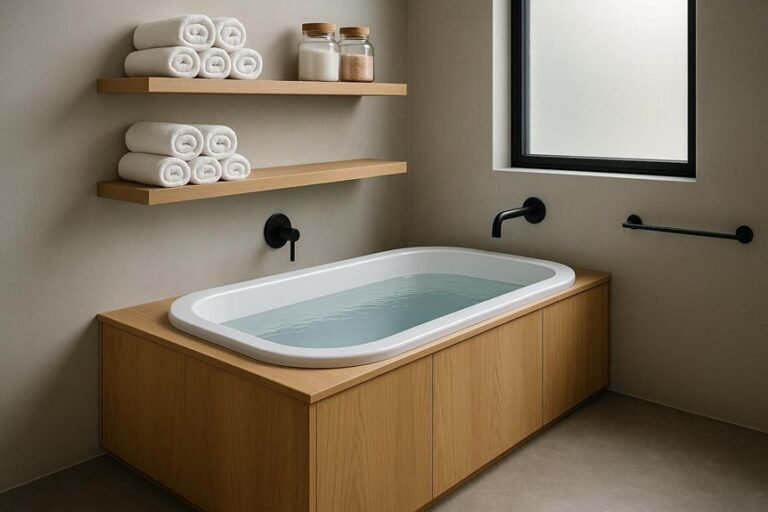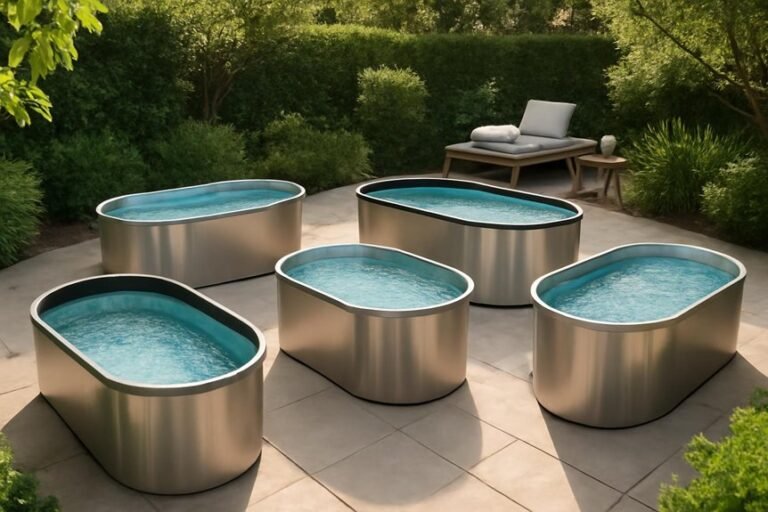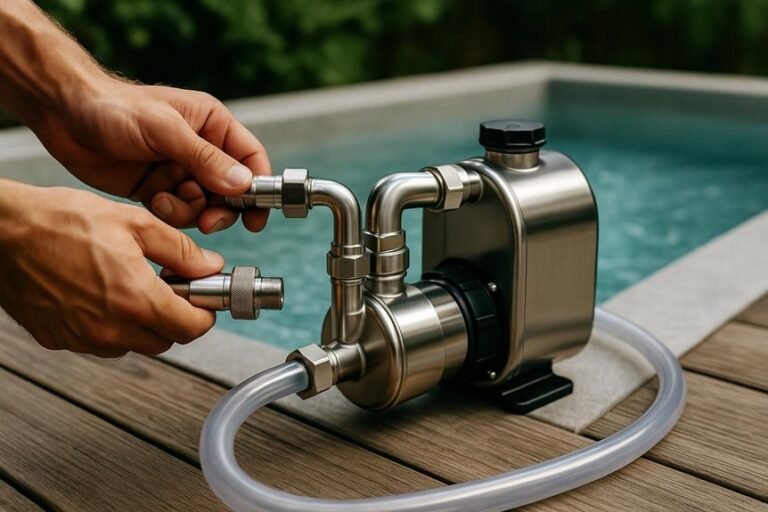
Deciding whether you need a chiller for a cold plunge comes down to your climate, how often you’ll use it, and how precise you want your water temperature to be: chillers give reliable, consistent cooling and let you hit target temperatures for recovery or contrast therapy, but in cool regions or with good insulation you can often manage with ice or passive cooling; weigh cost, energy use, and maintenance against convenience and performance, and consider a few key alternatives before choosing.
Key Takeaways
- A chiller is essential if you need precise, consistent low temperatures for regular or athletic cold-plunge use.
- In cool climates, well-insulated tubs, shade, or occasional ice can replace a chiller for infrequent plunges.
- Chillers add upfront cost, ongoing energy use, and maintenance but provide fast recovery between sessions.
- Alternatives include ice, frozen bottles, evaporative cooling, or burying part of the reservoir to reduce temperature passively.
- Size the chiller to your water volume, desired temperature drop, and pump flow for effective, reliable cooling.
Why a Chiller Matters for Temperature Control
Because your cold plunge needs steady, predictable temperatures to deliver consistent results, a chiller plays a key role in temperature control. You’ll rely on a chiller to remove heat continuously, keeping water at a set point even as ambient temperatures or sunlight fluctuate. That stability matters: small temperature shifts can change physiological responses and reduce the effectiveness of cold exposure. A chiller also shortens recovery between sessions by restoring target temperatures faster than passive cooling, and it minimizes the need for frequent ice additions or manual adjustments. When you choose a unit, consider its cooling capacity relative to tub volume, energy efficiency, and controls for precision. Proper maintenance—cleaning filters and checking refrigerant levels—keeps performance reliable over time.
When You Can Skip a Chiller
When might you be able to skip installing a dedicated chiller for your cold plunge? You can often forgo a chiller if you live in a consistently cool climate, use a well-insulated tub that retains low temperatures, or only need moderately chilled water rather than near-freezing conditions. If your sessions are occasional and you’re willing to top up with cold mains water or ice, a chiller may be unnecessary. Natural cooling methods like shade, night-time cooling, and thermal mass can help maintain temperature for short periods. Also, if budget, space, or noise constraints are significant and precise temperature control isn’t critical, skipping a chiller can be sensible. Monitor water temperature and adapt practices to guarantee safety and effectiveness.
Alternatives to Mechanical Cooling
If you’re looking to avoid the expense, noise, or complexity of a mechanical chiller, several passive and low-tech approaches can still get you reliably cold water for a plunge. Use shade, insulation, and timing: place your tub out of direct sun, cover it with an insulated lid when not in use, and fill it with cooler morning water to reduce daytime warming. Add ice selectively for quick drops without constant refrigeration, or use frozen water bottles to avoid dilution and repeated melting. Consider evaporative cooling with misting systems in dry climates, and leverage ground-coupled cooling by burying part of the reservoir or running coils through cool soil. These methods cut complexity while keeping temperatures delightfully low.
Cost, Energy Use, and Maintenance Trade-Offs
Passive methods can save money and reduce complexity, but you’ll still face trade-offs in cost, energy use, and ongoing upkeep that affect long-term satisfaction and total ownership cost. If you choose a mechanical chiller, expect higher upfront expense for equipment and installation, plus steady electricity bills that vary with target temperature and run time. Passive setups cut energy use but may need more frequent water changes, insulating upgrades, or sheltering to stay cold, which adds indirect costs. Maintenance differs: chillers require refrigerant checks, coils cleaning, and occasional compressor service; passive systems demand monitoring and preventive work to avoid algae and heat gain. Weigh predictable utility costs against variable maintenance time and replacement risks to pick the approach that fits your budget and lifestyle.
Sizing and Choosing the Right Chiller if You Need One
How cold do you really want your plunge to be, and how quickly do you expect the chiller to get it there? First, calculate the water volume in liters or gallons; that determines how much heat you must remove. Next, look at chiller capacity rated in BTU/hr or kW — higher capacity cools faster and handles larger tanks. Consider desired temperature delta (ambient to target) and recovery rate between dips; athletes may need faster recovery. Account for insulation and covers, which reduce load, and factor in pump flow rate to guarantee proper circulation through the chiller. Choose corrosion-resistant materials for longevity, check noise levels, and verify electrical requirements. Finally, match manufacturer specs to your calculated load, aiming for a slight safety margin.
Practical Tips for Setup and Year-Round Use
Getting your cold plunge set up for reliable, year‑round use takes attention to a few practical details that pay off in performance and longevity. First, place the plunge on a level, well‑drained surface near a dedicated electrical circuit; that reduces strain on the chiller and lowers safety risks. Insulate pipes and the tank with closed‑cell foam or blankets to cut energy use and stabilize temperature. Install a quality cover to limit evaporation, debris, and heat loss when you’re not using it. Maintain filtration and test water chemistry weekly, adjusting sanitizer and pH to prevent corrosion and biological growth. In cold climates, protect external components from freezing with heat tape and sheltering enclosures. Finally, keep a simple maintenance log to track performance and spot issues early.
FAQ
Can a Chiller Affect Water Sanitation or Chemical Balance?
FAQ 1: How does a chiller impact water sanitation?
A chiller can lead to slower chlorine off-gassing and altered sanitizer demand, which may affect overall water sanitation. If the flow or filtration is inadequate, there’s an increased risk of biofilm growth.
FAQ 2: What adjustments are needed for chemical balance when using a chiller?
When using a chiller, you may need to adjust chemical dosing to maintain proper balance. Regular monitoring and maintenance of chemical levels are essential to ensure optimal water quality.
FAQ 3: What maintenance practices should be implemented with a chiller?
To maintain water sanitation and chemical balance, regular cleaning of the chiller and its components is necessary. Ensuring proper flow and filtration will also help mitigate potential issues related to biofilm and chemical demand.
Will a Chiller Increase My Water Heater or Plumbing Needs?
FAQ 1: Will installing a chiller increase my water heater demand?
No, a chiller does not increase your water heater demand significantly since it is designed to cool water rather than heat it.
FAQ 2: Will I need additional plumbing for a chiller?
You may require minor plumbing adjustments for circulation, mounting, and drainage when installing a chiller.
FAQ 3: Do I need to upgrade my electrical system for a chiller?
It’s possible that you will need to upgrade breakers or install a dedicated circuit to accommodate the power requirements of the chiller.
Are Portable Chillers Noisy for Residential Backyards?
Are portable chillers noisy for residential backyards?
Yes, portable chillers can be noisy. However, you can select quieter models to help reduce the sound.
How can I minimize the noise from a portable chiller?
To minimize noise, consider checking the decibel ratings of the unit, adding vibration isolation, and using sound barriers.
Where should I place my portable chiller to reduce noise?
Position the chiller away from seating areas and other outdoor living spaces to keep the noise level low while enjoying your backyard.
Do Chillers Work With Saltwater Cold Plunges?
Do chillers work with saltwater cold plunges?
Yes, chillers can be used with saltwater cold plunges. However, it is essential to use corrosion-resistant components to prevent damage from the saltwater environment.
What components are needed for a saltwater chiller?
To ensure optimal performance, you should include a sacrificial anode and use materials in the refrigerant loop that are compatible with saltwater. This helps to mitigate corrosion and extend the lifespan of the system.
How often should I maintain my saltwater chiller?
Regular maintenance is crucial for saltwater chillers to ensure efficient cooling performance. This includes checking and replacing components as needed to prevent corrosion and system failure.
Can I Diy-Build a Chiller Safely and Legally?
Can I safely DIY a chiller?
Yes, you can build a chiller yourself, but it’s essential to have a solid understanding of refrigeration and electrical safety to avoid hazards.
What materials do I need for a DIY chiller?
You should use corrosion-resistant materials, especially if the chiller will be used for saltwater applications, to ensure durability and functionality.
Are there legal requirements for building a chiller?
Yes, you may need permits or must comply with local building codes. Always check regulations in your area to ensure your DIY project is legal.
What should I do if I’m unsure about building a chiller?
If you lack experience or confidence in your abilities, it’s best to hire a professional to handle the project to avoid potential hazards and legal issues.
Final Thoughts
You don’t always need a chiller for a cold plunge—if you live in a cool climate, use an insulated tub, or only take occasional dips, ice or passive cooling can work well. But if you want consistent temperatures, frequent use, or reliable recovery benefits, a chiller delivers precise control and convenience. Weigh upfront cost, energy and maintenance against performance needs, and choose size and features that match your tub, usage pattern, and long‑term goals.