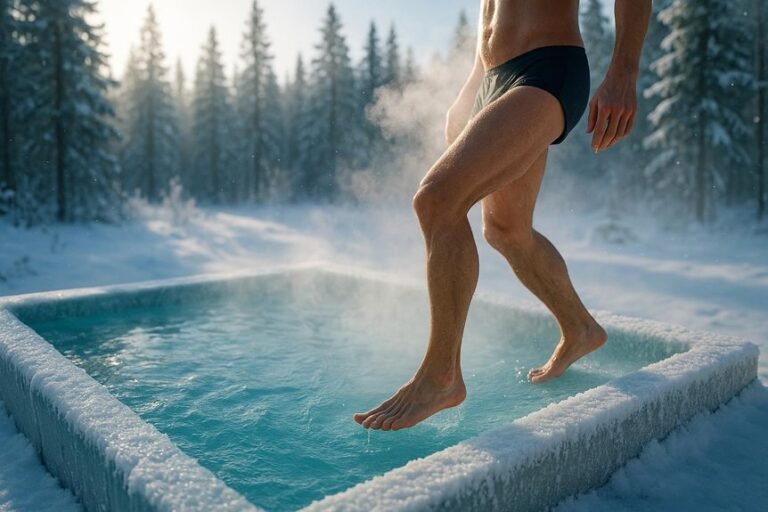
When you step into a cold plunge, your body reacts quickly: the sympathetic nervous system surges, catecholamines spike, and dopamine rises, producing a sharp lift in alertness and mood that typically peaks soon after immersion. The effect varies by genetics, fitness, and prior exposure, and it changes with repeated use as tolerance develops. If you want to understand how to time, dose, and track those benefits safely, there’s more to cover.
Key Takeaways
- Sudden cold immersion triggers a rapid dopamine surge that temporarily improves alertness, motivation, and mood.
- Dopamine increases occur alongside norepinephrine and cortisol, producing a short-lived stress-response boost.
- Short plunges (1–3 minutes) reliably trigger beneficial dopamine effects without excessive cardiovascular strain.
- Repeated cold exposure blunts initial dopamine spikes through habituation, requiring varied protocols to maintain effects.
- People with heart disease, uncontrolled hypertension, or pregnancy should consult a clinician before cold plunging.
What Happens to Dopamine During Acute Cold Exposure
Although you might first notice the shock of cold against your skin, acute cold exposure triggers a rapid cascade of neurochemical responses that includes changes in dopamine signaling. You experience a quick rise in arousal as neurons in the brainstem and hypothalamus respond, and dopamine release increases in pathways linked to attention and motivation. This surge can sharpen focus, lift mood briefly, and enhance motor readiness. Simultaneously, cold activates stress-related systems—norepinephrine and cortisol—that interact with dopamine, modulating its effects and duration. The net result depends on exposure intensity and your prior conditioning: short dips often produce noticeable alertness, while prolonged or extreme cooling can suppress dopamine activity, contributing to fatigue or reduced reward sensitivity once the initial stimulus fades.
The Physiology Behind the Cold Shock Response
When you step into a sudden cold environment, your body mounts a rapid, coordinated defensive response that’s designed to protect core temperature and maintain essential functions. You instantly trigger the cold shock response: sharp inhalation, increased heart rate, and a surge of sympathetic nervous activity that narrows peripheral blood vessels to conserve heat. Your respiratory centers react first, which can increase oxygen intake but also risk hyperventilation. Meanwhile, catecholamines like norepinephrine flood the bloodstream, raising alertness and mobilizing energy stores. Shivering and non-shivering thermogenesis follow, with skeletal muscle activity and brown adipose tissue generating heat. Baroreceptors and thermoreceptors constantly feed the brainstem and hypothalamus, adjusting circulation and metabolic rate to stabilize core temperature and sustain organ perfusion.
Why Some People Feel an Immediate Rush and Others Don’t
You won’t all feel the same surge from a cold plunge because your baseline dopamine levels and the intensity of your cold shock response vary between people. If your resting dopamine is higher or your nervous system reacts strongly to sudden cold, you’re more likely to notice an immediate rush, whereas lower baseline levels or a blunted shock response can mute that effect. Understanding both your neurochemistry and how your body handles cold helps explain why the experience differs and points to ways you might adjust exposure for a stronger or gentler response.
Baseline Dopamine Levels
People vary in how strongly they feel a cold-plunge rush because their baseline dopamine levels and receptor sensitivity differ, so what feels like a thrill to one person may register as only a mild alert for another. You carry a baseline dopamine tone shaped by genetics, habitual activity, stress, sleep, and medication, and that tone determines how much extra signal registers as rewarding or activating. If your baseline is lower, a sudden boost from a cold stimulus can feel intense; if it’s higher, the same boost might barely register. Receptor density and signaling efficiency also matter: more responsive receptors amplify transient increases. Knowing your baseline helps you set expectations, tailor exposure, and interpret why friends report wildly different immediate reactions.
Cold Shock Response
Because the cold shock response kicks in within seconds of immersion, your body launches a coordinated cascade of reflexes that can feel like a sudden, intense rush or barely register at all. You experience rapid breathing, a spike in heart rate, and a surge of stress hormones like adrenaline and noradrenaline that together heighten alertness and can boost dopamine signaling indirectly. Individual differences—such as genetic sensitivity, prior cold exposure, fitness level, and anxiety—shape how strong the response feels. If you’ve acclimated through repeated cold exposure, your reflexes dampen and the sensation softens; if you’re inexperienced or anxious, the response intensifies. Understanding these mechanisms helps you manage expectations, safety, and training strategies to get consistent, controlled benefits from cold plunges.
Short-Term Cognitive and Mood Effects of Cold Plunges
When you step into a cold plunge, the body’s immediate stress response triggers a cascade of physiological changes that can sharpen attention and lift mood for a short period. You’ll notice increased alertness as cold exposure activates the sympathetic nervous system, raising heart rate and releasing catecholamines like norepinephrine, which enhance focus. Dopamine release contributes to a brisk sense of well-being and motivation, often reported as mental clarity or reduced mental fatigue. Cognitive benefits are usually transient, peaking shortly after immersion and fading over hours. Mood improvements can help interrupt negative thought patterns, reducing anxiety in the near term. Keep in mind individual responses vary, so expect different intensities and durations depending on your baseline state and the plunge’s conditions.
Repeated Cold Exposure: How Dopamine and Adaptation Change Over Time
When you repeatedly take cold plunges you’ll notice sharp, acute dopamine surges at first that boost alertness and reward signaling. Over time those spikes can become blunted as the brain adjusts through tolerance and receptor downregulation, so the subjective rush may lessen even though physiological responses persist. With consistent practice, however, longer-term neuroplastic changes can occur that reshape how your dopamine system responds, potentially stabilizing mood and cognitive benefits in more sustainable ways.
Acute Dopamine Surges
Although the initial shock of cold water triggers a sharp, rewarding surge of dopamine that feels energizing, repeated cold exposures produce a more complex pattern as your brain adapts over days and weeks. In the acute phase, each plunge rapidly elevates dopamine, sharpening your attention, lifting mood, and enhancing motivation for a short period. You’ll notice increased alertness and a sense of accomplishment immediately after leaving the water. Neurochemically, bursts originate from midbrain circuits that respond to salient, novel stimuli; cold acts like a strong, brief signal. Those spikes support learning and reinforcement of the behavior, making you more likely to repeat plunges. Short-term effects are reliable and robust, but timing, intensity, and individual variability shape how pronounced each surge becomes.
Tolerance and Downregulation
Because your brain aims to keep its signaling in balance, repeated cold plunges gradually produce tolerance as dopamine receptors and release mechanisms adapt to the repeated stimulus. You’ll notice that after several exposures the initial rush feels smaller; your neurons downregulate receptor numbers or reduce release to avoid overstimulation. This doesn’t mean benefits vanish, but the peak dopamine spikes become blunted, and baseline regulation shifts toward stability. Behavioral responses, like motivation or mood lifts, may require stronger or more novel stimuli to reach previous intensity. You can manage adaptation by varying frequency, duration, or combining cold with other healthy habits so you maintain responsiveness without forcing the system. Monitoring changes and adjusting your routine preserves gains while respecting neurochemical balance.
Long-term Neuroplasticity
As repeated cold exposure nudges your nervous system, it can drive lasting changes in brain circuitry that go beyond the short-lived dopamine spike you feel after a plunge. Over time, your brain adapts: dopamine receptor sensitivity may shift, synaptic connections reorganize, and networks involved in attention, mood, and stress regulation strengthen. You’ll notice that initial novelty fades, but certain cognitive and emotional benefits can persist as plasticity remodels circuits for improved resilience. Regular exposure encourages coordinated neurochemical responses—dopamine interacts with noradrenaline and endorphins—to support behavioral changes and habit formation. Adaptation isn’t uniform; genetics, frequency, and intensity shape outcomes, so monitoring responses and balancing cold sessions with recovery helps you preserve benefits while minimizing diminishing returns.
Factors That Modify the Dopamine Response (Age, Fitness, Genetics)
Individual differences shape how a cold plunge boosts dopamine, so you’ll often see varied responses even when the exposure looks the same on paper. Your age matters: younger brains typically have more flexible dopamine signaling and may show sharper, quicker spikes, while older adults often experience blunted responses due to receptor changes and slower neurochemical recovery. Fitness alters outcomes too — regular aerobic exercise enhances baseline dopamine tone and stress resilience, so trained individuals might get steadier, more sustained increases rather than abrupt surges. Genetics provide another layer: common polymorphisms in genes like COMT or DRD2 influence dopamine metabolism and receptor sensitivity, making some people naturally more reactive. Considering these factors helps you set realistic expectations and interpret your own reactions accurately.
Optimal Timing, Duration, and Frequency for Dopamine Benefits
When you time cold plunges thoughtfully and tailor how long and how often you do them, you’ll get the most consistent dopamine-related benefits without unnecessary stress on your body. Aim for sessions after mild exercise or in the morning to pair activation with alertness; your nervous system is primed then and responses tend to be reliable. Start with short exposures, 1–3 minutes, to trigger dopamine surges without overwhelming you, and progress by small increments as tolerance develops. For frequency, two to four times weekly often balances reinforcement and recovery for many people, while daily plunges suit those adapted and seeking stronger habituation effects. Track mood, sleep, and motivation to refine timing, duration, and frequency to your individual response patterns.
Safety Considerations and When to Avoid Cold Immersion
Because cold immersion actively stresses your cardiovascular and nervous systems, you should approach plunges with respect for both their benefits and their risks; knowing when to avoid or modify exposure helps you stay safe while still gaining dopamine-related and other physiological advantages. If you have heart disease, uncontrolled hypertension, arrhythmias, or a history of fainting, skip cold plunges unless your physician clears you, since rapid vasoconstriction and increased heart rate can provoke serious events. Avoid immersion during acute illness, fever, or after heavy alcohol use, which impair judgment and thermoregulation. Pregnant people and those with Raynaud’s, severe asthma, or peripheral neuropathy should consult a provider first. Start conservatively, monitor symptoms like chest pain or lightheadedness, and stop immediately if they occur.
Practical Steps to Maximize Benefits and Track Your Response
To get the most dopamine gains from cold plunges, plan your sessions and track key variables so you can adjust safely and efficiently; begin by setting clear goals (energy boost, mood lift, stress resilience), then record water temperature, duration, and how you feel before and after each immersion. Start with shorter exposures, like one to three minutes at a tolerable temperature, and increase gradually as your body adapts. Use a simple log or app to note sleep, diet, caffeine, and stress that could influence results. Pay attention to heart rate and perceived exertion, and stop if you feel numbness, dizziness, or excessive shivering. Review trends weekly, adjust protocols based on response, and consult a clinician for persistent adverse reactions.
FAQ
Can Cold Plunges Worsen Long-Term Depression Symptoms?
FAQ: Can cold plunges worsen depression symptoms?
Yes, for some individuals, cold plunges can lead to worsened mood, increased anxiety, or disrupted sleep. It’s important to be aware of your body’s reactions and adjust your routine accordingly.
FAQ: What should I do if cold plunges negatively affect my mood?
If you notice negative effects on your mood or anxiety levels, consider pausing cold plunges and monitoring your symptoms. It may be beneficial to consult with your clinician for tailored advice.
FAQ: Are there any risks associated with cold plunges for those with depression?
Cold plunges can trigger stress responses in some people, potentially exacerbating existing depression symptoms. It’s essential to approach cold exposure cautiously and be mindful of your mental health.
Do Medications Affect the Dopamine Boost From Cold Immersion?
FAQs: Do Medications Affect the Dopamine Boost From Cold Immersion?
1. How do antidepressants influence dopamine levels during cold immersion?
Antidepressants can alter baseline dopamine signaling, potentially blunting or enhancing the dopamine boost you experience from cold immersion. It’s important to discuss any concerns with your prescriber.
2. What impact do stimulants have on dopamine release from cold exposure?
Stimulants may enhance dopamine signaling, which could lead to a stronger acute response to cold immersion. However, individual reactions can vary, so consulting with your healthcare provider is advisable.
3. Can dopamine blockers affect my response to cold immersion?
Yes, dopamine blockers can significantly change your response to cold exposure. They may dampen the dopamine boost, so it’s crucial to speak with your prescriber about any potential interactions.
Is There a Measurable Dopamine Increase After a Single Brief Cold Exposure?
FAQ 1: Does cold exposure lead to a rise in dopamine levels?
Yes, a single brief cold exposure typically results in a measurable increase in dopamine levels. Studies indicate that these increases are transient and can vary significantly among individuals.
FAQ 2: What factors influence the dopamine response to cold exposure?
The magnitude and duration of dopamine increases after cold exposure depend on several individual factors, including baseline neurochemistry, the intensity of the exposure, and any concurrent medications being taken.
FAQ 3: How long do the effects of cold exposure on dopamine last?
The effects of cold exposure on dopamine are usually short-lived, with the exact duration varying from person to person. Individual responses can differ based on various factors such as genetics and overall health.
Can Combining Cold Plunges With Exercise Enhance Dopamine Release?
FAQ 1: Can cold plunges enhance the effects of exercise on dopamine release?
Yes, combining cold plunges with exercise can enhance dopamine release more effectively than either method alone. The additive effects come from the neurotransmitter responses triggered by both activities.
FAQ 2: Does individual variability affect the benefits of combining cold plunges and exercise?
Yes, individual variability plays a significant role. The level of dopamine release and the overall benefits can differ from person to person, influenced by factors like timing and personal physiology.
FAQ 3: What is the optimal timing for cold plunges and exercise to maximize dopamine release?
The optimal timing can vary for each person, but it’s generally suggested to engage in cold plunges shortly after exercising to maximize the synergistic effects on dopamine release. Experimentation may be necessary to find what works best for you.
Are There Age Limits for Safe Dopamine-Related Benefits of Cold Therapy?
FAQs about Age Limits for Safe Dopamine-Related Benefits of Cold Therapy
1. Can children benefit from cold therapy for dopamine release?
Yes, children can experience dopamine-related benefits from cold therapy, but it’s crucial to approach it with caution. Parents should consult a clinician and start with gentle methods while monitoring their child’s tolerance.
2. Are older adults safe to use cold therapy for dopamine benefits?
Older adults can also gain dopamine-related benefits, but they should be particularly careful. It’s recommended to consult a healthcare professional before starting cold therapy and to monitor their blood pressure closely.
3. What precautions should individuals with heart or circulation issues take?
Individuals with heart or circulation problems should exercise caution when considering cold therapy for dopamine benefits. It’s essential to consult a clinician and begin gently, paying close attention to how their body responds.
Final Thoughts
You’ll likely feel a sharp dopamine-driven lift immediately after a cold plunge, but that boost is brief and varies by your genetics, age, fitness, and prior exposure; with repeated immersion you’ll adapt, so benefits may require longer or colder sessions. Use sensible timing, moderate frequency, and safe durations to maximize cognitive and mood gains, monitor your responses, and avoid cold immersion if you have cardiovascular issues or other contraindications. Adjust protocols based on how you feel.