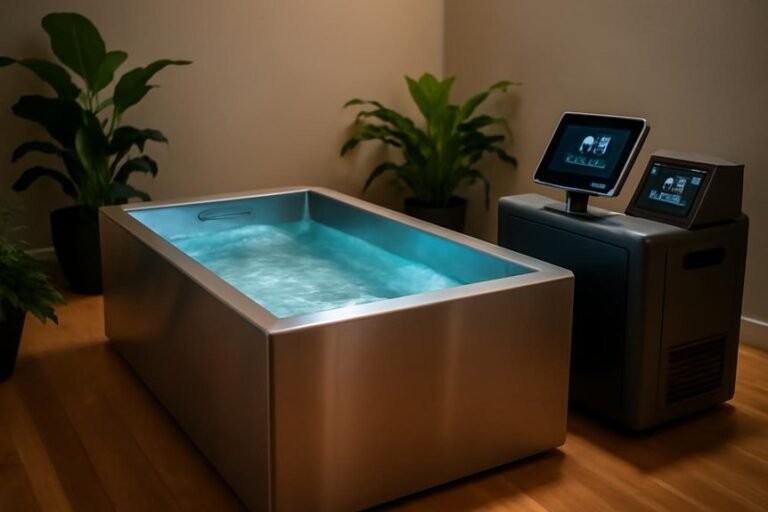
If you own or use a cold plunge, you’ll want to understand whether a filter is necessary: it removes hair, skin cells, and microbes while keeping water clear and circulation steady, which directly affects hygiene and recovery benefits. Filters are almost always recommended for regular use, though there are scenarios where you might get by without one for short, infrequent sessions — and the choice influences what chemical treatments and maintenance you’ll need next.
Key Takeaways
- Yes — filtration removes debris and supports circulation, keeping cold plunge water clear and sanitary.
- A clogged or undersized filter leads to cloudy water, higher chemical use, and potential microbial buildup.
- Cartridge filters are common; sand, UV, or ozone systems can be added for stronger sanitation and lower chemical reliance.
- Clean cartridges every 1–2 weeks, deep-clean the tub every 4–8 weeks, and test chemistry regularly.
- Budget for filter replacement and maintenance: proper filtration reduces long-term costs and extends equipment life.
How a Filter Works in a Cold Plunge
Although a cold plunge relies on cold water to deliver recovery benefits, it still collects dirt, skin cells, and microscopic contaminants, so a filter becomes essential to keep the water clear and safe. You’ll see how filtration removes solids and reduces microbial load: mechanical media like cartridges or sand traps out larger particles, while finer pleated elements capture hair and tiny debris. Some systems pair activated carbon to adsorb odors and organic compounds, improving taste and clarity, and UV or ozone units provide secondary disinfection by inactivating bacteria and viruses without chemicals. You’ll want consistent flow through the filter, correct sizing for your plunge volume, and routine maintenance, because even the best filter won’t work if it’s clogged or improperly installed.
When a Filter Is Essential
When you use a cold plunge regularly, a filter becomes essential whenever water turnover is frequent, multiple people use the tub, or the installation is outdoors where leaves, insects, and airborne debris are common. You’ll need filtration to remove particulate matter that would otherwise cloud water and increase bacterial risks, especially if sessions are back-to-back or the bath sits uncovered. A proper filter reduces load on chemical sanitizers, extends water clarity, and helps maintain consistent temperature by preventing blockages in circulation lines. Choose a cartridge or sand system sized for your tub’s volume and flow rate, and match micron ratings to expected contaminants. Regular cleaning or replacement schedules and monitoring pressure differentials will keep performance reliable and protect both health and equipment.
Situations Where a Filter Might Be Optional
If you only use a personal tub occasionally and drain it between sessions, you might find a filter isn’t strictly necessary, since low use reduces buildup and allows you to control water quality. Likewise, when your cold plunge draws from a clean natural source and you monitor for contamination, you can sometimes rely on natural clarity rather than continuous filtration. Still, even in these situations a regular draining schedule and visual checks are important to prevent algae or bacteria from taking hold, so weigh convenience against the risk.
Low-Use Personal Tubs
For a low-use personal cold plunge—say, one you’re using a few times a week by yourself—you may find a mechanical filter isn’t strictly necessary, provided you follow a disciplined cleaning and water-care routine. You’ll still need to manage contaminants: rinse and lightly scrub the tub after each session, remove hair and debris, and replace water on a predictable schedule to prevent buildup. Use a sanitizer appropriate for cold temperatures, monitor pH and total alkalinity weekly, and consider a small clarifier between fills to reduce particulates. If you share the tub occasionally or notice cloudiness or odors, add filtration or increase sanitization immediately. Ultimately, skipping a permanent filter can work for low-use personal tubs if you commit to consistent, documented maintenance practices.
Natural Water Sources
Although natural water sources can seem appealing because they feel pure and eco-friendly, you should assess their quality carefully before assuming a filter isn’t needed. If you’re using spring, river, or lake water, test for bacteria, parasites, and chemical contaminants; visual clarity alone won’t tell you if pathogens are present. Consider seasonal changes: runoff after heavy rain can introduce agricultural or urban pollutants, while stagnant areas may harbor algae and microbial blooms. If testing shows low contaminant levels and you use the source intermittently, you might opt for periodic monitoring rather than continuous filtration. Still, have treatment options ready—UV sterilizers, portable filters, or shock treatments—so you can respond quickly if water quality declines and protect your health.
Regular Draining Schedule
When you’re drawing water from natural sources, regular testing and having backup treatments on hand makes a lot of sense, and the same careful mindset applies when you consider an intermittent draining schedule for a cold plunge. If you plan to drain and refill frequently—say weekly or biweekly—you can often reduce reliance on continuous filtration because contaminants have less time to accumulate. You still need a clear protocol: test for bacteria, algae, and chlorine demand after each refill, clean surfaces and drains, and document results so you spot trends. For light, single-user setups in clean water, a drain schedule plus occasional shock dosing can suffice. But if usage rises or tests flag issues, add filtration or UV treatment to protect health reliably.
Types of Filters for Cold Plunges
When you choose a filter for your cold plunge, you’ll weigh cartridge systems against sand options for basic particle removal, each offering different maintenance needs and flow rates. You should also consider UV and ozone systems, which don’t trap debris but provide powerful microbial control and can reduce chemical use. Together these options let you tailor filtration to your budget, upkeep tolerance, and desired water clarity.
Cartridge vs. Sand
If you’re choosing between cartridge and sand filters for a cold plunge, you’ll want to weigh how each handles debris, maintenance, and flow to match your usage and water quality needs. Cartridge filters trap particles in pleated fabric, offering finer filtration and easier visual checks; you’ll remove and rinse cartridges periodically, which suits lower debris loads and quicker maintenance. Sand filters use a bed of graded sand to capture solids as water passes through, requiring occasional backwashing to flush out contaminants and less frequent full media replacement, which is helpful if you have heavier particulate or want a set-and-forget option. Consider pump compatibility, footprint, and long-term costs: cartridges cost less upfront but need regular replacement, while sand needs more equipment space and rarer media changes.
UV and Ozone
Because ultraviolet (UV) light and ozone attack microbes in very different ways, combining them with mechanical filtration can give your cold plunge stronger, more reliable sanitation without relying solely on chemicals. UV systems expose water to high-energy light that damages DNA and inactivates bacteria, viruses, and protozoa, while ozone oxidizes organic matter and destroys pathogens through chemical reactions. You’ll get faster kill rates with UV and broader oxidation with ozone, yet neither removes particles, so a cartridge or sand filter remains necessary. Consider flow rates, contact time, maintenance, and safety: UV lamps need periodic replacement and ozone requires careful dosing and off-gassing to avoid respiratory risks. Integrated units simplify operation, but weigh upfront costs and ongoing servicing before choosing a setup.
Chemical and Non-Chemical Complementary Treatments
Alongside mechanical filtration, you’ll usually want complementary chemical and non-chemical treatments to keep your cold plunge sanitary, clear, and safe for regular use. You’ll likely use small doses of chlorine or bromine to control bacteria and algae, monitoring levels with test strips so concentrations stay effective but comfortable. pH and alkalinity adjustments matter too: they stabilize sanitizer performance and protect metal or acrylic surfaces. Non-chemical options include regular draining and hot-water shock treatments, plus frequent skimming and brushing to remove oils and biofilm. Natural enzyme products can break down organics without heavy sanitizers, and mineral cartridges offer mild, continuous antimicrobial action. Combining methods gives redundancy, reducing reliance on any single approach while maintaining a clearer, healthier plunge.
Practical Maintenance Schedule and Tips
While a cold plunge doesn’t demand constant attention, setting a clear maintenance schedule will keep it safe, efficient, and ready whenever you want to use it. You should check water chemistry (pH, sanitizer) 2–3 times weekly if you use it often, and at least weekly for occasional use; adjust chemicals promptly to prevent algae and bacterial growth. Inspect and clean the filter cartridge every 1–2 weeks, rinsing debris and soaking in cleaner monthly. Drain and deep-clean the tub every 4–8 weeks depending on usage, scrubbing surfaces and flushing lines. Routinely check pumps, seals, and fittings for leaks or wear, and replace worn parts before they cause failures. Keep a simple log to track tests, cleanings, and part replacements for consistent care.
Cost Considerations and Installation Basics
Maintaining a regular care routine helps you avoid unexpected repairs and gives you a better sense of the ongoing expenses, which makes it easier to plan for the upfront and installation costs of a cold plunge. When budgeting, factor in the plunge shell, insulation, filtration or sanitation system, and any heater or chiller you choose, since higher-quality components cost more but last longer. Installation may require a concrete pad, plumbing, electrical work, and permits; getting quotes from licensed professionals helps you compare realistic totals. Expect installation labor to rival equipment costs in some cases, especially for indoor or custom builds. Also include recurring costs like replacement filters, chemicals, water, and increased utility use, so your projected annual budget stays accurate and useful.
Common Problems and How to Troubleshoot
Ever wondered why your cold plunge isn’t staying clear or keeping the right temperature? You’ll first check filtration: a clogged or undersized filter won’t remove debris or support proper circulation, so clean or upgrade it and verify pump flow. If water turns cloudy, test chemistry—imbalanced pH, chlorine, or bromine lets algae and bacteria flourish; adjust chemicals and shock the water if needed. Temperature swings often stem from thermostat miscalibration, poor insulation, or an undersized chiller; recalibrate controls, insulate the tank, and confirm the chiller’s capacity. Leaks, odd noises, or pump failure usually have mechanical causes—tighten fittings, clear blockages, and replace worn seals. Keep a log of maintenance and test results so you can spot patterns and act quickly.
FAQ
Can a Filter Remove Viruses From Cold Plunge Water?
Can a cold plunge filter remove viruses?
No, a typical cold plunge filter is not capable of removing all viruses from the water. Additional disinfection methods are necessary.
What methods should be used to disinfect cold plunge water?
To effectively disinfect cold plunge water, combine filtration with methods such as UV treatment, chemical sanitizers, or advanced membrane systems. These approaches help significantly reduce the risk of viral contamination.
Is filtration alone enough for safe cold plunge water?
Filtration alone is insufficient for ensuring the safety of cold plunge water. It must be accompanied by proper disinfection techniques to minimize health risks.
Will a Filter Affect Water Temperature Stability?
FAQ: How does a filter impact water temperature stability?
A filter can influence temperature stability by circulating water, which may lead to slight heat loss or gain due to pump friction. However, with moderate flow and good insulation, steady cold temperatures can be maintained.
FAQ: Does the pump’s flow rate affect temperature stability?
Yes, a moderate pump flow rate helps maintain temperature stability. If the flow is too high, it may result in more heat exchange, potentially affecting the water temperature.
FAQ: Can insulation help maintain water temperature despite using a filter?
Absolutely! Good insulation plays a crucial role in stabilizing water temperature, even when a filter is in use. It minimizes heat exchange with the surrounding environment, helping keep the water cool.
Are Portable Plunge Tubs Compatible With Standard Filters?
FAQ: Are Portable Plunge Tubs Compatible With Standard Filters?
1. Can I use standard filters with my portable plunge tub?
Yes, many portable plunge tubs are compatible with standard cartridge or inline filters. However, it’s essential to verify the dimensions and flow ratings of both the tub and the filter.
2. What should I check before purchasing a filter for my plunge tub?
Before buying a filter, confirm the adapter compatibility, mounting options, and pump capacity to ensure a proper fit and optimal function with your portable plunge tub.
3. How do I know if my filter will fit my plunge tub?
You can determine filter compatibility by checking the specifications provided by the plunge tub manufacturer, including the size and flow requirements for the filter you intend to use.
Do Filters Impact Skin Irritation or Allergic Reactions?
Do filters help reduce skin irritation?
Yes, filters can help reduce skin irritation by removing irritants such as chlorine, bacteria, and debris from the water. This can lead to a more comfortable experience for users, especially those with sensitive skin.
Can filters prevent allergic reactions in swimming pools?
Filters can play a role in minimizing allergic reactions by maintaining cleaner water. However, it’s essential to ensure proper chemical balance and regular cleaning to effectively reduce allergens.
What additional measures can benefit sensitive skin?
Individuals with sensitive skin may benefit from using milder disinfectants and performing frequent water changes. These actions, combined with effective filtration, can help promote skin health and comfort.
Can I Run a Filter Continuously Without Electrical Issues?
Can I run a filter continuously?
Yes, you can run a filter continuously if it is specifically rated for 24/7 use. It’s important to ensure that the filter is properly installed and maintained.
What precautions should I take when running a filter continuously?
Make sure the filter is on a dedicated circuit and equipped with a Ground Fault Circuit Interrupter (GFCI) to prevent electrical issues. Following the manufacturer’s specifications is crucial for safe operation.
How can I avoid electrical issues with continuous filter operation?
To avoid electrical problems, adhere to the manufacturer’s guidelines and schedule regular maintenance checks. This helps ensure the filter operates efficiently and safely.
Final Thoughts
You’ll want a filter for a cold plunge in most cases: it keeps water clear, removes debris and microbes, and supports proper circulation so your plunge stays hygienic and effective. In some low-use, well-managed setups you might rely more on chemical treatment and frequent water changes, but filtration is the safer, lower-maintenance choice long term. Maintain and check the system regularly, choose an appropriate filter type, and combine filtration with proper chemical balance for best results.