If you’re dealing with anxiety or stress, a cold plunge protocol can offer a straightforward, evidence-informed tool to build resilience and calm your nervous system; you’ll learn how cold exposure affects circulation, inflammation, and mood, who should avoid it, and how to prepare equipment and a safe environment. Start slowly with focused breathing and short immersions, track symptoms and sleep, and follow a clear progression plan—there’s more on exactly how to do each step safely.
Key Takeaways
- Start with 50–59°F (10–15°C) water, 1–2 minutes per session, 2–3 times weekly, increasing slowly as tolerated.
- Warm up briefly, hydrate, and have a safe exit, non-slip surface, towel, and someone nearby.
- Use slow, controlled breathing and an acceptance mindset to reduce shock and manage anxiety during immersion.
- Exit before numbness or uncontrolled shivering; dry and warm gradually, monitoring heart rate and symptoms.
- Track temperature, duration, and pre/post-anxiety scores over weeks and consult a clinician if adverse effects occur.
What Cold Immersion Does to the Body and Mind
When you step into cold water, your body mounts a rapid, coordinated response that affects both physiology and mood: blood vessels near the skin constrict to preserve core temperature, heart rate spikes briefly, and stress hormones like norepinephrine surge, sharpening your alertness and focus. You’ll feel an immediate rise in breathing rate, which the parasympathetic system then modulates as you adapt, promoting calmer breathing and a clearer mind. Repeated exposures can lower baseline inflammation, boost endorphins, and improve sleep quality, all of which reduce chronic stress symptoms. Cognitive benefits include enhanced attention and faster recovery from acute stressors. Muscles tense initially but relax with acclimation, aiding recovery. Overall, cold immersion offers predictable, measurable shifts in both body and mood.
Who Should and Should Not Try Cold Plunges
Although cold plunges can offer measurable benefits for mood, recovery, and stress resilience, they’re not suitable for everyone, and you should weigh personal health factors before trying one. If you’re generally healthy, cleared by a healthcare provider, and comfortable with brief intense sensations, you may benefit from controlled exposure. Athletes, people managing mild anxiety, and those seeking recovery tools often tolerate short, supervised sessions. However, don’t try cold plunges if you have unstable heart disease, uncontrolled high blood pressure, severe respiratory problems, Raynaud’s phenomenon, or a history of fainting; sudden cold can trigger dangerous responses. Pregnant people should consult their clinician. If you’re unsure, get medical clearance, start conservatively, and use monitored, guided introductions rather than plunging alone.
Preparing Safely: Equipment, Temperature, and Environment
Before you get into a cold plunge routine, make sure you have the right equipment—sturdy tub or pool, non-slip surface, a thermometer, and a timer—so you can control the experience safely. Follow safe temperature guidelines, generally starting between 50–59°F (10–15°C) for beginners and adjusting more slowly if you’re training to tolerate colder water. Also check your environment for easy access in and out, a nearby warm space or towel, and someone nearby if you’re new to cold exposure.
Proper Equipment Checklist
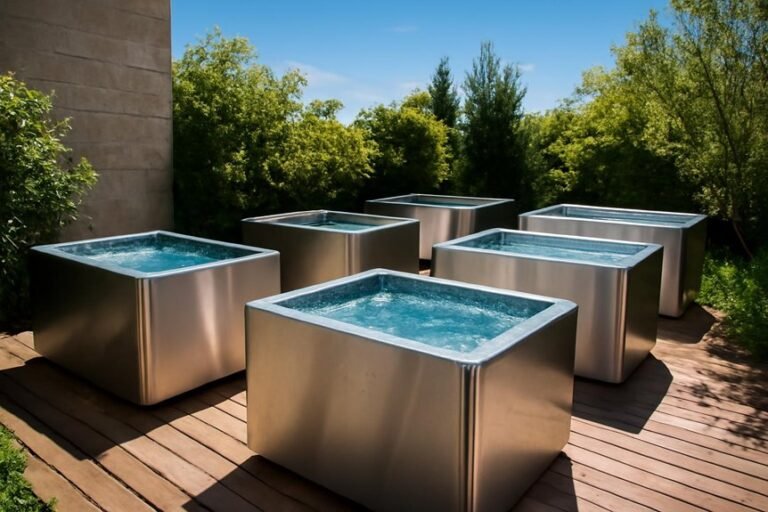
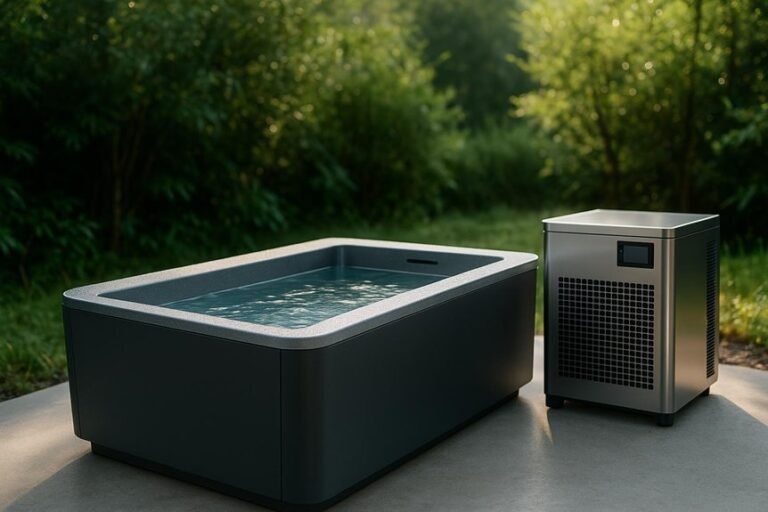
A short checklist will help you assemble the right gear and set up a safe cold plunge environment, so you can focus on the benefits rather than on last-minute fixes. Start with a stable container or tub rated for cold exposure and sized so you can fully submerge without strain; confirm it’s clean and free of sharp edges. Add a reliable thermometer and a timer or waterproof watch to monitor duration. Prepare non-slip mats, a sturdy step or handrail for safe entry and exit, and warm towels or a robe nearby for immediate warming. Have a partner or phone within reach for safety, and keep a first-aid kit and blanket accessible. Inspect all equipment regularly and replace worn items promptly.
Safe Temperature Guidelines
When you plan your cold plunge, set clear temperature targets and stick to them, since water temperature drives both the benefits and the risks; for most healthy adults, aim for 50–59°F (10–15°C) for general recovery and stress reduction, 41–49°F (5–9°C) for stronger cold adaptation and acute symptom relief, and avoid routine exposure below about 40°F (4°C) unless you’re under direct supervision by a trained professional. You should monitor temperature with a reliable thermometer, adjust session length to colder ranges, and prioritize gradual progression. If you have cardiovascular issues, Raynaud’s, or are pregnant, consult a clinician first. Guarantee easy exit, a warm environment nearby, and someone present for initial sessions. Consistent tracking helps you find a safe, effective personal protocol.
Step-by-Step Beginner Cold Plunge Protocol
Although cold plunges can feel intimidating at first, you’ll find the process straightforward if you follow a clear, step-by-step approach that prioritizes safety, gradual adaptation, and measured breathing. Start by checking water temperature and setting a timer; for beginners aim for 50–59°F (10–15°C) and keep initial immersion to 30–60 seconds. Warm up with light movement and hydrate, then enter slowly—feet first—holding onto a rail or edge for balance. Set a comfortable target duration for this session, exit before you feel numbness or uncontrolled shivering, and dry off promptly with warm clothing. Rest and monitor how you feel for the next hour. Increase time by 15–30 seconds across sessions as you adapt, always listening to your body and stopping for any concerning symptoms.
Breathing, Mindset, and Mental Strategies During a Plunge
As you lower into the cold, use slow, focused breaths to steady your heart rate and keep your attention anchored in the present, inhaling deeply through your nose and exhaling fully through your mouth. Adopt an acceptance-focused mindset by acknowledging the shock and physical sensations without judgment, reminding yourself that the feeling will pass and that steady breathing supports resilience. Combining deliberate breath control with a calm, non-reactive attitude helps you tolerate the discomfort more effectively and can translate to reduced anxiety outside the plunge as well.
Focused Breath Control
A few deliberate breaths can make the difference between a frantic reaction and a controlled, purposeful cold plunge; focused breath control gives you a simple, repeatable tool to manage the acute shock of cold water and shift your nervous system toward calm. Begin with slow, diaphragmatic inhales through the nose for four counts, pause briefly, then exhale fully for six counts, lengthening the out-breath to engage parasympathetic response. Keep your jaw and shoulders relaxed, and track each breath to stay present. If the water surprises you, return to this rhythm immediately rather than holding your breath. Practice this pattern outside the plunge so it becomes automatic under stress. Over sessions, you’ll notice steadier heart rate, clearer thinking, and increased confidence in managing intense sensations.
Acceptance-Focused Mindset
Once you’ve made focused breathing a habit, the next step is to pair that physiological control with an acceptance-focused mindset that helps you meet the cold without resistance. When you step into the plunge, acknowledge sensations—shock, tingling, rapid breath—without labeling them as good or bad; that neutral stance reduces avoidance and lowers covert stress. Use simple, present-focused statements like “I notice cold” or “This will pass” to anchor attention and prevent catastrophic thinking. Let breaths guide your attention inward, observing the body’s responses rather than trying to eliminate them. If fear rises, thank it for protecting you and return to steady inhalations and exhalations. Over repeated sessions, acceptance shortens distress and strengthens your ability to stay composed under acute stress.
Progression Plan: How to Safely Increase Intensity and Duration
Because your body adapts to cold exposure over time, you should progress intentionally and conservatively when increasing intensity and duration; doing so reduces injury risk and guarantees the stress remains manageable. Start with a baseline you can complete comfortably—short exposures at mild cold—then increase either time or cold intensity by no more than 10–20% weekly. Alternate harder sessions with easier days to allow recovery, and limit total weekly increases so adaptation stays steady. Use objective markers like breath control, perceived exertion, and heart rate if available, adjusting progress when signs of excessive fatigue or prolonged soreness appear. Prioritize technique: steady breathing, safe exits, and warm-up/warm-down routines. Stay consistent, patient, and methodical to build resilience without overwhelming your system.
Monitoring Results and When to Seek Professional Help
If you track your cold-plunge sessions consistently, you’ll get clear signals about whether the practice is helping your anxiety and stress, and where adjustments are needed. Record duration, water temperature, pre- and post-session anxiety ratings, sleep quality, and any physical symptoms. Look for trends over weeks: gradual reductions in baseline anxiety scores, better sleep, or improved heart-rate variability suggest benefit. If you notice worsening mood, persistent dizziness, chest pain, or irregular heartbeat, stop sessions and contact a healthcare provider promptly. Also seek professional advice if anxiety spikes despite adherence, or if you have cardiovascular disease, Raynaud’s, or other medical conditions. Share your logs with a clinician; objective data helps them assess safety and tailor recommendations, ensuring you get therapeutic benefit without undue risk.
FAQ
Can Cold Plunges Interfere With Sleep Medication or Sleep Cycles?
FAQ: Can cold plunges affect the effectiveness of sleep medication?
Yes, cold plunges can alter the absorption and metabolism of sleep medications, potentially reducing their effectiveness. It’s important to be mindful of how these changes may impact your treatment.
FAQ: How can cold plunges interfere with sleep cycles?
Cold plunges can affect body temperature regulation, which in turn may disrupt natural sleep cycles. This disruption can lead to difficulties in falling or staying asleep.
FAQ: Should I time my cold plunges around my sleep medication doses?
It is advisable to avoid cold plunges close to the time you take your sleep medication. This helps ensure that the medication is absorbed properly and maintains its intended effects.
FAQ: What should I do if I’m considering cold plunges while on sleep medication?
Consult your prescriber for personalized advice regarding the timing of cold plunges and sleep medication. They can provide guidance based on your specific situation and needs.
How Often Should I Shower After a Cold Plunge?
How soon should I shower after a cold plunge?
It’s best to shower immediately after a cold plunge to rinse off and gradually warm your body. This helps remove any residual cold water and aids in your recovery.
How many times should I shower post-cold plunge?
Typically, you should shower right after the plunge and then again as needed based on your activities. If you experience sweating or feel cold again, an additional shower may be beneficial.
What factors determine how often I should shower after a cold plunge?
Your shower frequency can depend on your level of activity, personal hygiene needs, and skin sensitivity. Pay attention to how your body feels and adjust accordingly.
Can I Combine Cold Plunges With Sauna or Hot Therapy Immediately?
Can I use cold plunges and sauna therapy back-to-back?
Yes, you can combine cold plunges with sauna therapy, but it’s important not to do it immediately every time. Gradually alternate between the two and pay attention to how your body responds.
How should I start alternating between cold plunges and sauna sessions?
Begin with short intervals for each therapy and ensure to cool down between sessions. This will help your body acclimate to the temperature changes.
Are there any precautions I should take when combining these therapies?
Yes, if you have heart issues or feel dizzy, it’s advisable to avoid extreme temperature changes. Always listen to your body and prioritize your safety.
Do Cold Plunges Affect Menstrual Cycles or Fertility?
Do cold plunges affect menstrual cycles?
Occasional cold plunges typically do not harm menstrual cycles. However, extreme or prolonged exposure to cold may temporarily alter cycle timing.
Can cold plunges impact fertility?
Generally, cold plunges do not have a significant effect on fertility when done occasionally. It’s important to monitor any changes and consult a healthcare provider if you have concerns.
What should I do if I experience changes in my cycle after cold plunges?
If you notice any irregularities in your menstrual cycle following cold plunges, it’s advisable to speak with your healthcare provider to discuss your concerns and explore potential underlying issues.
Are There Special Considerations for Pets Around Cold Plunge Setups?
Are pets safe around cold plunge setups?
While pets can be around cold plunge setups, it’s crucial to supervise them closely to ensure their safety.
What precautions should I take for my pets near a cold plunge?
Secure the area to prevent pets from accessing the plunge, and block any sharp edges or cords that could pose a hazard.
How can I protect my pets from hypothermia near a cold plunge?
Monitor your pets closely for signs of hypothermia, especially if they show discomfort in cold temperatures, and consider training them to avoid the plunge area altogether.
Should I be concerned about chemicals or filters around my pets?
Yes, ensure that pets cannot access chemicals or filters associated with the cold plunge to prevent accidental ingestion or injury.
Final Thoughts
You’ve now seen how controlled cold immersion can reduce stress, sharpen focus, and build resilience when you follow safety steps and progress gradually. Start conservatively, prioritizing breath work, proper temperature, and a suitable environment, and record anxiety and sleep changes so you can judge benefits objectively. Stop or seek medical advice if you feel faint, overly breathless, or notice troubling symptoms. With consistent, cautious practice, cold plunges can become a reliable tool in your stress-management toolkit.