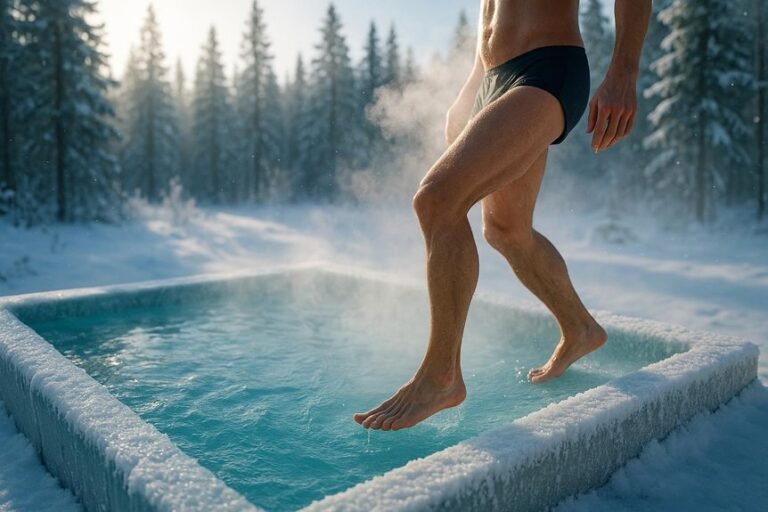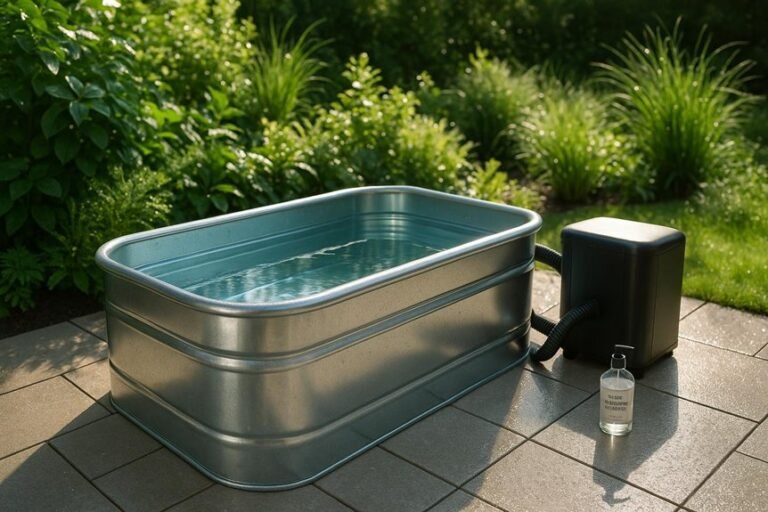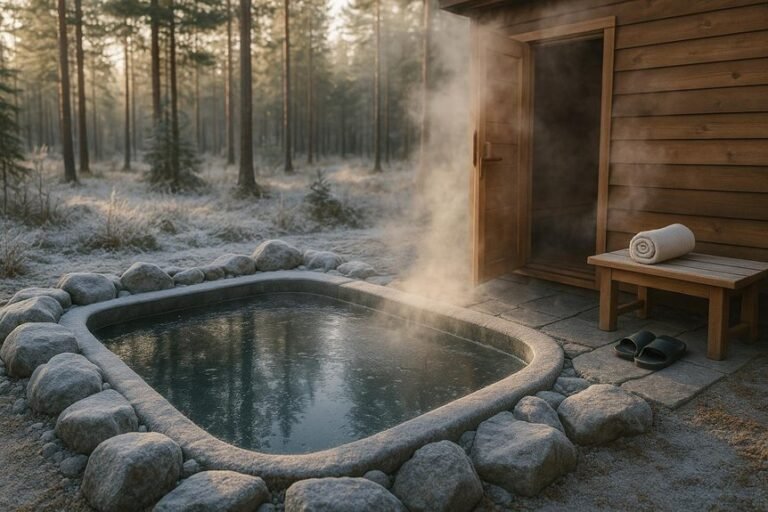
If you’re using cold plunges for recovery, you’ll want to understand how timing, temperature, and duration change outcomes: brief immersion (5–10 minutes at 10–15°C) can reduce pain and swelling immediately after hard sessions, but doing it right away may blunt long-term strength or hypertrophy gains; delaying cold exposure by several hours preserves adaptation while still aiding soreness. Keep contraindications and practical safety in mind, because the best protocol depends on your sport and goals — and there’s more to reflect on.
Key Takeaways
- Immediate cold plunges (within 0–10 minutes) reduce swelling and pain but can blunt long-term muscle adaptation signaling.
- For general recovery, immerse 5–10 minutes in 10–15°C (50–59°F); beginners start 1–3 minutes and progress gradually.
- Strength athletes should delay cold therapy or use warmer temperatures (10–12°C) to preserve hypertrophy and strength gains.
- Endurance athletes benefit from cooler (8–10°C) and earlier plunges (10–15 minutes) to accelerate recovery and reduce soreness.
- Follow safety: limit total time (<10–15 minutes), enter/exit slowly, avoid alone if cardiovascular issues exist, and consult a clinician if needed.
How Cold Plunges Affect Muscle Inflammation and Repair
Although plunging into cold water can feel intense at first, it triggers specific physiological responses that influence how your muscles handle inflammation and repair. You’ll experience vasoconstriction that reduces blood flow to injured tissue, which can limit swelling and blunt immediate inflammatory signaling. As you warm back up, vasodilation restores circulation, delivering oxygen and nutrients that support cleanup of debris and the start of healing. Cold exposure also dampens metabolic activity in muscle cells, lowering secondary damage after intense exercise, while modulating immune cell infiltration to the site. Hormonal shifts, including short-term rises in norepinephrine, alter pain perception and cellular responses. Used appropriately, cold plunges can be a practical tool to manage acute inflammation and facilitate early stages of tissue repair.
Optimal Timing: Post-Workout Vs Delayed Cold Exposure
When you step into a cold plunge right after a hard workout, you can sharply reduce swelling and numb pain by constricting blood vessels and slowing metabolic processes, but that immediate suppression of inflammation may also blunt some of the signaling pathways that drive long-term muscle adaptation and strength gains. You’ll weigh immediate comfort and quicker return to activity against potential interference with training-induced hypertrophy and endurance adaptations. If your goal is recovery for another intense session within 24–48 hours, immediate cold exposure often helps; if you prioritize chronic strength or muscle growth, delaying cold therapy for several hours—or until the next day—lets inflammation-mediated repair proceed. Monitor how your performance and soreness change, and adjust timing to fit your training cycle.
Duration and Temperature Guidelines for Recovery
When you plan a cold plunge for recovery, aim for a clear balance between immersion time and water temperature to get effective results without overdoing it. Most practitioners recommend soaking for about 5–10 minutes in water chilled to roughly 10–15°C (50–59°F), while adjusting shorter durations for colder temps or if you’re new to the practice. You should usually wait at least 10–20 minutes after intense exercise to let heart rate and circulation settle, unless a coach advises immediate application for acute inflammation.
Ideal Immersion Time
If you’re aiming to speed recovery without risking cold-related harm, it’s important to balance immersion time and temperature so the cold reduces inflammation and soreness without causing excessive vasoconstriction or nerve stress. For most people, short, repeated exposures work best: start with 1–3 minutes per plunge, evaluating how your body responds, then gradually extend to 5–10 minutes if tolerated. Limit total session time to about 10–15 minutes, including breaks, to avoid numbness or prolonged circulatory restriction. After intense exercise, you might favor shorter bouts; for chronic soreness, slightly longer sessions can help. Always exit if you feel sharp pain, tingling, or excessive shivering. Pair immersion timing with active rewarming and hydration to support recovery.
Recommended Water Temperature
You’ve already learned how immersion length affects recovery and safety, so now let’s look at how water temperature pairs with those timings to shape outcomes. For most recreational athletes, 10–15°C (50–59°F) offers a strong anti-inflammatory effect without excessive shock; when you pair that with shorter immersions, you balance cooling benefits and comfort. Cooler ranges, 5–10°C (41–50°F), can enhance vasoconstriction and reduce soreness more rapidly but should be limited to brief exposures and reserved for experienced users. Warmer cold-plunge temperatures, 15–20°C (59–68°F), give milder analgesia and may suit recovery days where you prioritize circulation over intense cooling. Always adjust based on your tolerance, medical history, and the immersion duration you’ve chosen, and stop if you feel numbness or excessive discomfort.
Timing After Exercise
Because the body’s inflammatory and repair processes change quickly after exercise, timing your cold plunge matters as much as temperature and duration; you want to match the plunge to your training goals and the type of workout you just completed. For high-intensity or strength sessions, wait one to two hours before a 5–10 minute immersion at 10–15°C to allow initial anabolic signaling; this helps preserve muscle adaptation while still reducing soreness. For endurance or very strenuous sessions when rapid recovery is essential, you can plunge within 10–20 minutes for 10–12 minutes at 8–12°C to blunt inflammation and perceived fatigue. Keep sessions shorter and slightly warmer if you use cold therapy frequently, and always rewarm gradually and hydrate afterward.
Protocol Differences for Strength Versus Endurance Athletes
While both strength and endurance athletes use cold plunges to speed recovery, the ways they apply temperature, duration, and timing often differ to match their specific physiological goals. If you focus on strength, you’ll usually prefer slightly warmer temperatures and shorter immersions—around 10–12°C for 5–10 minutes—to limit reductions in muscle protein synthesis and maintain neural drive after heavy lifting. If you’re an endurance athlete, cooler water and longer exposures—around 8–10°C for 10–15 minutes—can better reduce systemic inflammation and perceived soreness after long efforts. Timing also varies: strength athletes might delay plunges a few hours to avoid blunting hypertrophy signals, whereas endurance athletes often plunge soon after sessions to speed recovery for repeated bouts. Adjust based on training phase and personal response.
Risks, Contraindications, and Safe Practice Tips
Before you try a cold plunge for muscle recovery, be aware that sudden cold exposure can stress the heart and blood vessels, so anyone with cardiovascular disease, uncontrolled hypertension, or a history of fainting should consult a clinician first. Practice safe immersion by limiting time (typically under 10 minutes), keeping water temperature within recommended ranges, and entering and exiting slowly to prevent rapid blood pressure changes. Always have someone nearby, avoid plunging alone, and stop immediately if you feel dizzy, chest pain, or severe shortness of breath.
Cardiovascular Risks
If you have any heart disease, high blood pressure, or a history of fainting, cold plunges can pose real cardiovascular risks and should be approached with care. Cold exposure triggers a rapid sympathetic response: your heart rate and blood pressure can spike, which may provoke chest pain, arrhythmias, or even syncope in vulnerable people. You should know that sudden immersion causes peripheral vasoconstriction and increased cardiac workload, so those on beta blockers or vasodilators might react unpredictably. Before you try cold therapy, get medical clearance if you have cardiovascular issues, and report any chest discomfort, dizziness, or palpitations immediately. Regular monitoring and following clinician guidance helps you balance potential recovery benefits against measurable cardiovascular risks.
Safe Immersion Practices
Because cold plunges deliver strong and immediate physiological stress, you should follow clear safe-immersion practices to reduce risks and get consistent benefits. Start by checking health status: avoid cold immersion if you have uncontrolled hypertension, unstable heart disease, recent stroke, or severe Raynaud’s; consult your clinician if you’re unsure. Always enter slowly, monitoring how your body reacts, and keep sessions short—typically 2–5 minutes for beginners—while breathing steadily to prevent hyperventilation. Never plunge alone; have someone nearby or use supervised facilities. Warm up gradually afterward, rewarming core before extremities, and avoid alcohol before or after immersion. If you experience chest pain, severe breathlessness, fainting, or numbness, exit immediately and seek medical help.
Integrating Cold Plunges Into a Periodized Training Plan
When you plan cold plunges around your training phases, you’ll get the recovery benefits where they matter most without blunting long-term adaptations; aligning immersion timing and intensity with specific goals—such as prioritizing strength, hypertrophy, or endurance—lets you use cold exposure as a targeted tool rather than a blanket prescription. In a heavy strength phase, skip immediate post-session plunges to avoid reducing inflammation-driven growth signals; instead, use them on rest days or after low-intensity sessions to speed recovery without impairing adaptations. During high-volume endurance blocks, shorter, cooler immersions after long efforts can limit soreness and promote readiness. In tapering, brief cold exposures help freshness and nervous system recovery. Track responses, adjust frequency and temperature, and coordinate with nutrition and sleep for best results.
FAQ
Can Cold Plunges Improve Sleep Quality After Intense Training?
FAQ: Do cold plunges help improve sleep quality after intense training?
Yes, cold plunges can enhance sleep quality when done after intense training. They help reduce inflammation and lower core temperature, which can facilitate falling asleep faster and achieving deeper sleep.
FAQ: When is the best time to take a cold plunge for sleep benefits?
The optimal time for a cold plunge is immediately after intense training sessions. This timing maximizes the benefits of reducing inflammation and promoting faster recovery, which can lead to improved sleep.
FAQ: Are the effects of cold plunges on sleep quality the same for everyone?
No, the effects of cold plunges can vary between individuals. While many experience improved sleep quality, some may not notice significant changes, depending on personal factors and tolerance to cold.
Do Cold Plunges Affect Long-Term Muscle Hypertrophy Gains?
Do cold plunges after workouts affect muscle hypertrophy?
Yes, frequent cold plunges immediately after resistance training can blunt long-term muscle hypertrophy. This is because they reduce inflammation and impair anabolic signaling necessary for muscle growth.
How should I time cold exposure to optimize muscle growth?
To avoid hindering muscle growth, it’s advisable to time cold exposure away from your training sessions. This allows your body to maximize recovery and promote hypertrophy without interference from cold therapy.
What are the effects of cold exposure on inflammation and recovery?
Cold exposure can effectively reduce inflammation and soreness, which may be beneficial for recovery. However, if used too close to training, it can negatively impact the anabolic processes required for muscle development.
Can I Combine Cold Plunges With Compression or Massage for Better Recovery?
FAQ 1: Can I use cold plunges and compression therapy together?
Yes, combining cold plunges with compression therapy can enhance recovery. Cold plunges help reduce inflammation immediately after intense workouts, while compression aids circulation, promoting quicker recovery.
FAQ 2: When should I schedule a massage in relation to cold plunges?
It’s best to schedule a massage after using cold plunges and compression. This timing allows for improved flexibility and long-term tissue repair without interfering with the body’s natural adaptation processes.
FAQ 3: How does cold therapy affect recovery compared to massage?
Cold therapy primarily helps reduce inflammation and soreness immediately after intense sessions, while massage focuses on improving blood flow and flexibility over time. Together, they can complement each other for optimal recovery.
Are There Age-Specific Recommendations for Cold Plunge Use?
FAQ: What temperature is recommended for younger athletes using cold plunges?
Younger athletes can typically tolerate colder temperatures during cold plunges. It’s advisable for them to engage in longer exposures compared to older adults, as their bodies are generally more resilient to extreme cold.
FAQ: What precautions should older adults take when using cold plunges?
Older adults should opt for milder temperatures and shorter exposure times when using cold plunges. It’s important to consult a clinician if there are any cardiovascular or circulation concerns before beginning cold plunge therapy.
FAQ: How often should cold plunges be done based on age?
Younger individuals may handle more frequent cold plunge sessions, while older adults should limit their frequency to avoid potential health risks. Tailoring the duration and frequency of use based on age will enhance safety and effectiveness.
How Do Cold Plunges Interact With Common Recovery Supplements?
FAQ 1: How do cold plunges affect anti-inflammatory supplements like fish oil and curcumin?
Cold plunges can enhance the anti-inflammatory effects of supplements such as fish oil, curcumin, and CBD. When used together, they may provide additive benefits for recovery and overall inflammation reduction.
FAQ 2: Do cold plunges impact the effectiveness of post-workout protein and creatine?
Yes, using cold plunges immediately after resistance training may diminish the hypertrophy benefits of post-workout protein and creatine. It’s advisable to time these recovery methods appropriately to maximize their effects.
FAQ 3: Can CBD be used effectively with cold plunges for recovery?
Absolutely, CBD can work synergistically with cold plunges to amplify anti-inflammatory effects, making it a beneficial addition to your recovery routine. Together, they may enhance overall recovery outcomes.
Final Thoughts
You can use cold plunges to reduce acute soreness and control inflammation, but timing and intensity matter: avoid immediate post-strength sessions if you want maximal long-term gains, and favor short (5–10 minute) immersions at 10–15°C for general recovery. Tailor the protocol to your sport, train period, and personal response, watch for contraindications, and combine cold therapy with sleep, nutrition, and active recovery to optimize repair without undermining adaptation.