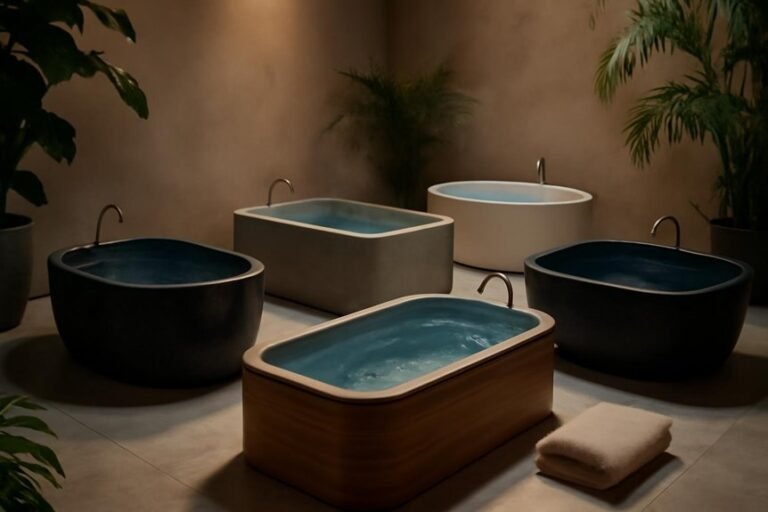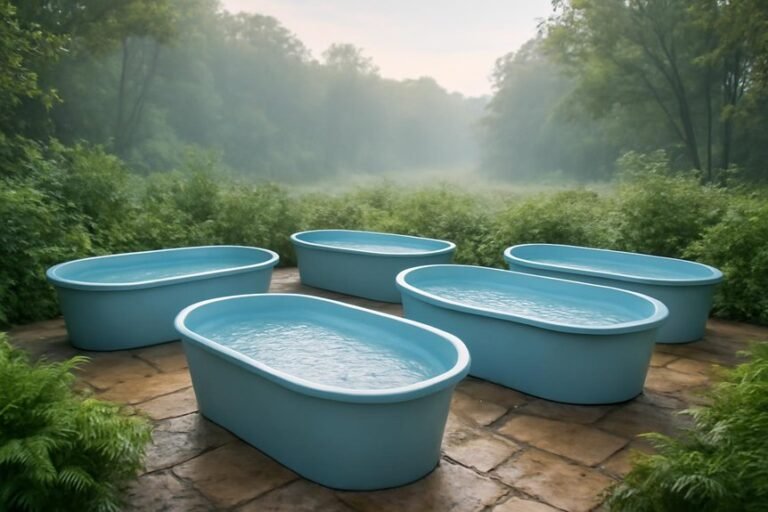
If you own or plan to use a cold plunge, you’ll want to understand filtration because cold water slows but doesn’t stop contamination; a filter keeps water clear, protects pumps, and cuts down on odor and organic buildup. For frequent use or outdoor tubs it’s fundamentally mandatory, while small personal plunges can sometimes get by with regular draining and cleaning. There are several filter types and sizing rules to evaluate, so let’s look at what fits your setup.
Key Takeaways
- Filtration is strongly recommended for frequently used cold plunges to maintain clarity and reduce microbial risk despite low temperatures.
- Personal tubs used rarely can avoid filters if drained, scrubbed, and refilled between uses.
- Outdoor plunges almost always need filtration and a cover to keep out leaves, dirt, and pests.
- Mechanical filters remove visible debris; combine with chemical sanitation for effective pathogen control.
- Maintain pumps and test sanitizer/pH regularly; poor filtration often causes cloudiness, odor, or algae.
Why Filtration Matters for Cold Plunges
Because cold plunge water stays near freezing and you’re often reusing the same bath, filtration plays a key role in keeping the water clean, safe, and pleasant to use. You’ll notice that cold temperatures slow bacterial growth but don’t eliminate contaminants like skin cells, oils, sweat, and environmental debris, so mechanical removal is important. Filtration reduces cloudiness, limits nutrient sources that feed microbes, and helps maintain any chemical sanitizer’s effectiveness by lowering its demand. That means you’ll spend less time troubleshooting odor and clarity issues, and more time on consistent, hygienic plunges. Proper filtration also protects pumps and circulation components from clogging, extending equipment life. Prioritizing filtration gives you predictable water quality and a better, safer cold plunge experience.
Types of Filters and How They Work
You’ll want to know how different filter types handle the three main tasks: mechanical filters trap visible debris and particles so the water looks and feels clean. Biological filtration supports beneficial bacteria that break down organic waste, helping keep ammonia and nitrite levels low. Chemical sanitation, such as activated carbon or controlled chlorine, removes dissolved contaminants and controls pathogens, so you’ll have clearer, safer water.
Mechanical Debris Removal
Mechanical debris removal refers to the physical methods and filter types that capture leaves, hair, dirt and other particulates from a cold plunge, and understanding how each works helps you pick the best option for your setup. You’ll encounter skimmer nets, cartridge filters, sand filters, and mesh strainers, each suited to different sizes and use patterns. Skimmer nets offer quick surface cleaning, ideal for occasional outdoor debris, while cartridge filters trap finer particles and are easy to replace. Sand filters handle larger volumes, using graded media to settle out solids but require backwashing. Mesh strainers protect pumps and plumbing from clogging with minimal maintenance. Match flow rate, maintenance frequency, and debris load to the filter type so your plunge stays clear and systems run efficiently.
Biological Filtration Basics
Think of biological filtration as the living lung of your cold plunge: it uses beneficial bacteria and porous media to break down ammonia and nitrite from organic waste into relatively harmless nitrate, keeping water chemically stable over time. You’ll encounter two common types: fixed-bed filters, which house media like ceramic rings or bio-balls where colonies attach and thrive, and moving-bed reactors that keep small media in motion to maximize bacteria exposure to water and oxygen. Fixed beds give stable, low-maintenance performance, while moving beds offer higher contact rates and resilience to load spikes. Both rely on oxygen availability and surface area, so airflow, circulation, and media choice matter. You should size systems to expected bather load and maintain media cleanliness without destroying bacterial communities.
Chemical Sanitation Role
While biological filters handle the “living” breakdown of waste, chemical sanitation plays a different but complementary role by directly neutralizing pathogens and controlling dissolved contaminants that bacteria and media alone won’t remove. You’ll rely on chemicals like chlorine or bromine to kill viruses and bacteria quickly, while oxidizers such as hydrogen peroxide or non-chlorine shock break down organic waste and clear cloudy water. You may also use algaecides or pH adjusters to maintain a stable, effective environment for sanitizers to work. Cartridge, sand, or diatomaceous earth filters trap particles but don’t replace chemicals; instead, chemistry and filtration together keep your cold plunge safe and clear. Test strips and automated dosing simplify maintenance and reduce guesswork.
When a Filter Is Essential Vs Optional
Because a cold plunge can be set up in different ways and used by different people, deciding whether you need a filter depends on several practical factors: how often you use the tub, who uses it, how you plan to maintain water quality, and whether you’ll heat or chill the water. If you use the plunge frequently, share it with multiple people, or want low-maintenance clarity, a filter becomes essential; it removes debris and helps prevent biofilm so you won’t be fighting cloudy water daily. If it’s a personal tub used sporadically and you’re diligent about draining and cleaning between uses, a filter can be optional. Also consider placement—outdoor setups collect more particulates, making filtration more advisable than for a sheltered, rarely used indoor unit.
Chemical Vs Non-Chemical Purification Options
Water treatment choices for a cold plunge split into two broad categories—chemical and non-chemical—and each has clear trade-offs you should weigh based on usage, maintenance tolerance, and health concerns. Chemical options, like chlorine or bromine, kill bacteria and control algae quickly, you’ll find them inexpensive and familiar, but they require careful dosing, pH monitoring, and safe storage to avoid irritation or corrosion. Non-chemical systems, such as UV, ozone, and mineral cartridges, reduce or eliminate chemicals, offering gentler water for sensitive skin and lower odor, though they often cost more upfront and may need complementary filtration or periodic media replacement. In practice you can combine approaches, matching a small sanitizer dose with UV or mineral treatment to balance safety, comfort, and maintenance workload.
Sizing and Flow Recommendations for Small Plunges
When sizing a small plunge, you’ll want to match the pump’s flow rate to the total water volume so the entire tub turns over regularly, which keeps contaminants from building up. Use pump sizing guidelines—typically aiming for a turnover every 1–4 hours depending on use—and pick filter media (cartridge, sand, or fine pleated options) that balance trapping ability with flow resistance. Thinking about volume vs. flow up front makes it easier to choose a pump and filter that work together, so you don’t end up with too little circulation or too much pressure drop.
Plunge Volume vs. Flow
If you’re sizing a filter for a small cold plunge, you’ll need to match flow to the plunge’s volume so the system circulates and cleans the water efficiently without overworking the pump or causing too much turbulence. Start by calculating total water volume, then decide how many turnovers per hour you want; for smaller plunges aim for one to three turnovers depending on use frequency and bather load. Higher turnover improves clarity and reduces chemical reliance, but too high a flow creates uncomfortable currents and stresses fittings. Choose a filter whose recommended flow rate aligns with your turnover target at the expected head loss. Finally, allow some buffer for future use increases and routine maintenance, so performance stays reliable over time.
Pump Sizing Guidelines
A properly sized pump is the backbone of an effective small cold-plunge system, and getting its flow and pressure right will determine how well the water circulates, how efficiently the filter operates, and how much wear the system components experience. Choose a pump that can turnover the plunge volume at least once every 30–60 minutes; for a 200–500 gallon tub, aim for 4–10 gallons per minute (GPM). Factor in head pressure from piping, fittings, and any elevation change—higher head reduces actual flow. Use pump curves to match required GPM at estimated head loss, and prefer variable-speed pumps so you can fine-tune circulation and energy use. Install isolation valves and a strainer to protect the pump and simplify maintenance.
Filter Media Options
Choosing the right filter media for a small cold plunge means balancing particle removal, biological filtration, and flow rates so your system stays clean without overtaxing the pump; you’ll want media that captures fine debris while allowing sufficient flow to meet your turnover goal (typically 4–10 GPM for 200–500 gallon tubs). For mechanical filtration, pleated cartridge filters offer high surface area and low pressure drop, so you get fine particle capture without straining a modest pump. For biological needs, consider a small bio-media or ceramic rings placed after the mechanical stage to host beneficial bacteria. Sand or glass media provide excellent polishing but need a correctly sized backwash setup. Match media surface area and head loss to pump curves to maintain consistent flow.
Maintenance Routines and Troubleshooting
Because regular care keeps your cold plunge safe and efficient, you’ll want a clear maintenance routine that covers filtration, water chemistry, and cleaning tasks. Check filters weekly for debris, backwash or replace media per manufacturer guidance, and run the pump daily long enough to turn over the volume. Test pH and sanitizer twice weekly, adjust slowly to avoid swings, and shock the system after heavy use or visible contamination. Clean surfaces and skimmers monthly, scrub seats and drain lines to prevent biofilm, and inspect seals, hoses, and fittings for leaks or wear. If cloudiness, odor, or persistent algae appear, isolate the problem by verifying filtration flow, sanitizer levels, and pump operation; escalate to a technician if electrical or mechanical faults continue.
Outdoor Plunge Special Considerations
When you place a cold plunge outdoors, you’ll face a different set of challenges than with an indoor unit, so plan for weather, debris, and temperature swings from the start. You’ll want a sturdy cover that seals against leaves, insects, and rain, reducing filtration load and chemical use. Position the plunge on level, well-drained ground and consider windbreaks or a small shelter to limit heat loss and evaporation. Shade can prevent algae blooms but watch for falling debris from trees. Winterize by insulating pipes and using a low-power heater or floater to prevent freezing, if you’ll maintain water year-round. Regularly inspect seals, drains, and electrical components exposed to the elements to catch corrosion or wear before they become serious problems.
Cost and Installation Trade-Offs
If you’re weighing cost and installation trade-offs for a cold plunge, start by separating upfront purchase price from lifetime operating and maintenance expenses, because a low initial cost can mask higher long-term outlays. You’ll compare portable tubs, prefabricated units, and custom builds: portables cost less and install quickly but may need more frequent water changes and simpler filtration, while prefabs offer balanced features and easier integration of pumps and filters. Custom concrete or cedar builds demand higher installation, site prep, and possible electrical or plumbing permits, yet they can be optimized for efficient filtration and insulation. Factor in energy for chilling, replacement filters, sanitizer, and seasonal maintenance access. Calculate total cost per year, and choose the option that matches your budget, usage, and tolerance for DIY work.
FAQ
Can a Filter Affect Water Temperature in My Cold Plunge?
FAQ: Can a filter impact the water temperature in my cold plunge?
Yes, a filter can slightly influence water temperature by changing the flow and heat exchange. While it won’t drastically warm or cool the water, you may notice minor temperature shifts over time.
FAQ: How does a pump-driven filter affect temperature?
A pump-driven filter can introduce small temperature changes due to its continuous circulation of water. This can lead to gradual temperature variations that you might perceive during your cold plunge sessions.
FAQ: Will my cold plunge maintain its temperature with a filter?
While a filter can affect temperature slightly, it generally won’t prevent your cold plunge from maintaining its intended temperature. Regular monitoring and adjustments can help ensure optimal conditions.
FAQ: Should I be concerned about temperature changes from my filter?
Minor temperature changes from a filter are typically not a cause for concern. However, if you notice significant fluctuations, it may be worth checking the filter system for any issues.
Are Saltwater Systems Compatible With Cold Plunge Filters?
FAQ: Can I use a saltwater system with a cold plunge filter?
Yes, saltwater systems are compatible with cold plunge filters. However, it is essential to ensure that all components are corrosion-resistant and that you use a compatible pump and media.
FAQ: What maintenance is required for saltwater systems with cold plunge filters?
Routine salt monitoring is crucial when using a saltwater system with a cold plunge filter. Without proper monitoring, the salt can degrade parts and reduce the filtration effectiveness over time.
FAQ: What components should I use for a saltwater cold plunge filter system?
When setting up a saltwater system with a cold plunge filter, make sure to select corrosion-resistant components. This will help prevent damage and maintain optimal performance of the filtration system.
Can I Use a Pool Vacuum With a Cold Plunge Tub?
Can I use a pool vacuum with a cold plunge tub?
Yes, you can use a pool vacuum with a cold plunge tub. However, it’s important to choose a gentle, low-flow unit or a manual vacuum to prevent damage to the tub’s delicate components.
What should I consider when selecting a vacuum for my cold plunge tub?
Opt for a vacuum that is compatible with your tub’s materials and design. A low-flow or manual vacuum is recommended to avoid chilling pumps and stirring up sediments.
Is there any maintenance required after using a vacuum on a cold plunge tub?
Yes, after using a vacuum, always check and clean the filters to ensure optimal performance and prevent clogs.
Do Filters Reduce Skin Irritation or Allergic Reactions?
Do filters help with skin irritation?
Yes, filters can help reduce skin irritation by removing allergens and irritants from the water. This can lead to a more comfortable experience for individuals with sensitive skin.
Can filters prevent allergic reactions?
Filters can significantly lower the presence of allergens, which may help prevent allergic reactions. However, it’s essential to maintain proper sanitation and water chemistry to ensure effectiveness.
Is regular cleaning necessary even with filters?
Yes, regular cleaning is crucial even when using filters. This helps prevent the buildup of residue or biofilm that can still cause skin issues despite having filtration in place.
Is a Wi‑Fi Enabled Filter Controller Worth It?
FAQ 1: What are the benefits of a Wi-Fi enabled filter controller?
A Wi-Fi enabled filter controller offers convenience through remote monitoring and the ability to automate schedules. This can save you time and help you catch potential issues early.
FAQ 2: Are there any additional costs associated with Wi-Fi enabled filter controllers?
Yes, Wi-Fi enabled filter controllers typically come at a higher price point compared to standard controllers. Additionally, you may need to invest in a reliable network and occasionally perform firmware updates.
FAQ 3: Do I need a strong internet connection for a Wi-Fi enabled filter controller?
Absolutely. A stable and reliable internet connection is essential for the optimal performance of a Wi-Fi enabled filter controller, as it relies on connectivity for remote access and monitoring.
Final Thoughts
You don’t always need a filter for a small, infrequently used personal plunge if you’re prepared to drain and clean it regularly, but for shared, outdoor, or frequent use you’ll want one to keep water clear, reduce organic load, and protect pumps. Choose a filter type, size, and flow rate that match your tub, combine filtration with appropriate chemical or UV options as needed, and keep a consistent maintenance schedule to guarantee safety and longevity.