You can turn a chest freezer into an effective cold plunge with careful planning and some technical know-how; choose the right size unit, address electrical and waterproofing needs, and add temperature control and sanitation systems to keep it safe and consistent. Follow clear safety steps like GFCI protection and emergency shut-offs, and learn proper maintenance routines to prevent issues, so you get reliable, long-lasting performance—next, we’ll walk through each key step in order.
Key Takeaways
- Choose a chest freezer sized for immersion with reliable near-freezing temperature capability and corrosion-resistant interior materials.
- Install on a dedicated GFCI-protected circuit and add a weatherproof outlet plus an accessible emergency shut-off.
- Waterproof the interior with marine-grade epoxy, upgrade the lid gasket, and reinforce drain fittings with stainless hardware.
- Use an external waterproof controller and relay, place calibrated thermometers at depth, and enable data logging and alerts.
- Maintain sanitation with measured chlorine/bromine, mechanical filtration, weekly shocking, and routine filter and seal inspections.
Choosing the Right Chest Freezer for a Cold Plunge
Picking the right chest freezer sets the foundation for a safe, effective cold plunge, so you’ll want to weigh capacity, temperature range, and build quality before you buy. You’ll first assess size: choose one deep and wide enough for your shoulders and knees, allowing immersion without cramped positioning. Check temperature capability; reliable models that reach and hold near-freezing temperatures let you control session intensity. Inspect insulation and gasket quality to reduce thermal loss and energy use, and favor solid, corrosion-resistant interiors that tolerate water exposure. Consider lid design and sealing to prevent accidental openings, and verify load ratings if you’ll add benching or coverings. Finally, balance budget with durability, since a sturdier unit saves time and worry over repeated use.
Electrical and Safety Modifications
Because a chest freezer wasn’t designed for people to sit in, you’ll need to address electrical and safety modifications before you turn it into a cold plunge. First, hire a licensed electrician to install a dedicated GFCI-protected circuit and a weatherproof outlet near the unit; this reduces shock risk and prevents tripping breakers when the compressor runs. Add a heavy-duty, grounded extension or cord rated for outdoor/wet conditions if placement requires it, and avoid daisy-chaining power strips. Fit a clearly labeled, easily accessible emergency shut-off switch or unplugging method. Install non-slip flooring around the plunge and a sturdy step or handrail for safe entry and exit. Finally, keep electrical components raised above splash height and routinely inspect cords, seals, and the GFCI for wear or moisture intrusion.
Waterproofing, Insulation, and Seal Improvements
When you convert a chest freezer into a cold plunge, waterproofing, insulation, and seal improvements become critical to both performance and longevity; treating the unit as a vessel rather than an appliance will help you avoid leaks, corrosion, and excessive energy loss. Start by stripping interior coatings that aren’t waterproof, then apply a marine-grade epoxy or food-safe tank liner to all wetted surfaces; that prevents corrosion and provides a durable barrier. Upgrade the lid gasket to a continuous silicone or neoprene seal to stop air exchange and moisture ingress, improving efficiency. Insulate the exterior with closed-cell foam panels or spray foam, focusing on seams and the bottom. Reinforce drain fittings with waterproof sealant and use stainless-steel hardware to minimize rust. Regularly inspect seals and recoat vulnerable areas.
Temperature Control and Monitoring Techniques
You’ll want to place accurate thermometers at representative depths and near the drain to get a true picture of water temperature, because a single probe can mislead you. Consider automated regulation with a reliable controller and waterproof relay so the freezer maintains target ranges without constant manual checks. Also set up data logging and alert thresholds, so you’ll see trends over time and get immediate notifications if temperatures stray outside safe limits.
Accurate Thermometer Placement
Accurate thermometer placement makes the difference between a safe, effective cold plunge and misleading data that could put you at risk, so it’s worth getting right from the start. Place the probe where it measures the water you’ll actually contact: mid-depth near the center of the chest, not at the surface or tucked against the wall where readings can be warmer or colder. Secure the sensor so it won’t touch the freezer walls or heater elements, and use a waterproof, food-grade probe if you’ll submerge it fully. Calibrate your thermometer regularly against an ice-bath or certified reference, and log readings at consistent depths and times. If you monitor multiple spots, note exact locations to compare trends reliably.
Automated Temperature Regulation
Because maintaining a consistent water temperature is essential for safety and repeatable results, automated temperature regulation pairs reliable sensors with controllers to actively manage your freezer chest cold plunge. You’ll mount rated waterproof probes where they read true water temperature, and you’ll choose a controller that supports setpoints, hysteresis, and timed cycles to prevent rapid compressor cycling. The controller will switch the freezer or a relay-driven heater based on readings, so you avoid overshoot and maintain target ranges. Calibrate sensors periodically, secure wiring to prevent snagging, and use enclosures for electrical components to keep moisture out. With thoughtful configuration and routine checks, automation reduces manual adjustments, delivers steady performance, and keeps your cold plunge operating safely and predictably.
Data Logging and Alerts
When you pair your automated temperature control with robust data logging and alerting, you’ll not only track performance over time but also catch deviations before they become problems. You should record temperature, compressor cycles, and door openings at regular intervals, storing logs locally or in the cloud for redundancy. Use timestamped data to spot trends, correlate events, and verify setpoint stability; graphs make anomalies obvious. Configure alerts for rapid temperature drift, sensor failure, or prolonged defrost cycles, and choose notification methods you’ll notice—SMS, push, or email. Test alerts periodically and include thresholds, hysteresis, and escalation paths to reduce false alarms. Finally, keep logs for audits and maintenance planning, so you can improve reliability and respond quickly when issues arise.
Sanitation, Filtration, and Water Treatment
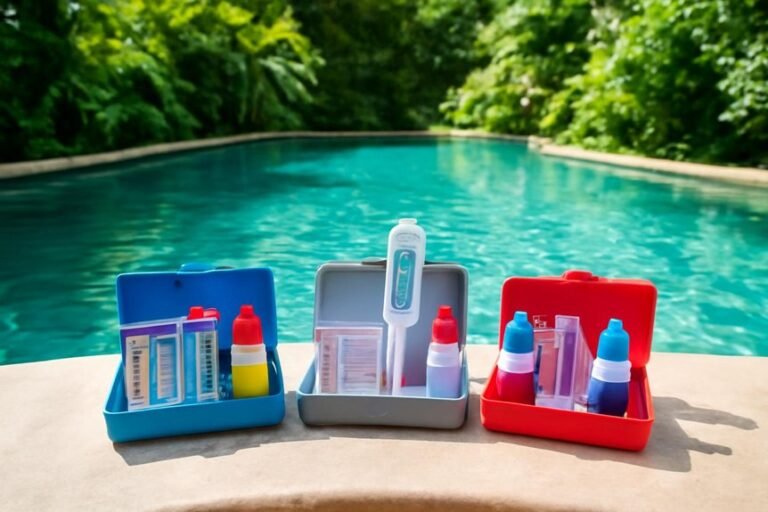
How will you keep the water in your freezer-chest cold plunge clean, safe, and comfortable to use? You’ll set up regular sanitation with a low, measured dose of chlorine or bromine and test levels daily with test strips, adjusting to maintain safe ranges. Combine chemical treatment with mechanical filtration: use a cartridge or small pump to remove debris and circulate water, preventing stagnation. Shock the water weekly or after heavy use to break down organics. Monitor pH and alkalinity, keeping pH near neutral to maximize sanitizer effectiveness and protect equipment. Clean and replace filters on schedule, and drain, scrub, and refill the plunge every few weeks or when contamination appears. Keep treatment records to track trends and spot problems early.
Usage Protocols, Risks, and Maintenance
Although the cold plunge is deceptively simple in design, you’ll need clear usage protocols, an understanding of risks, and a routine maintenance plan to keep it safe, effective, and durable. Establish session limits: start with 1–2 minutes at higher chill, build to 5–10 minutes, and always exit if you feel dizzy, numb, or overly breathless. Never use alone; have someone nearby or a camera/alert system. Be aware of contraindications—cardiac issues, uncontrolled hypertension, pregnancy—and consult a clinician if you have health concerns. Maintain water chemistry, clean filters, and change water periodically to prevent biofilm; inspect seals and insulation for wear. Log maintenance and usage, and follow manufacturer guidance for electrical and compressor service to extend safe operation.
FAQ
Can a Chest Freezer Cold Plunge Void My Home Insurance Policy?
FAQ: Can using a chest freezer for cold plunges affect my home insurance?
Yes, using a chest freezer for cold plunges can potentially impact your home insurance. If it leads to a claim such as water damage, fire, or injury, and you failed to disclose this usage or ignored safety precautions, your insurer may deny coverage.
FAQ: What should I do to ensure my chest freezer plunge is covered by insurance?
To protect your coverage, review your home insurance policy thoroughly and inform your insurance agent about your chest freezer plunge. This helps ensure you’re compliant with safety standards and that any potential claims won’t be denied.
FAQ: What are the risks of using a chest freezer for cold plunges?
The main risks include water damage from leaks, fire hazards from electrical issues, and personal injury. It’s crucial to follow safety guidelines and maintain the appliance properly to mitigate these risks.
Can Pets or Children Safely Be Near an Open Freezer Plunge?
FAQ: Can children be near an open freezer plunge?
No, children should not be near an open freezer plunge. Constant supervision is necessary to prevent accidents such as drowning or hypothermia.
FAQ: What safety measures should be taken around an open freezer plunge?
To ensure safety, use a secure lid or barrier, install alarms, and maintain non-slip surfaces around the plunge. These measures help reduce the risk of injury.
FAQ: How can I protect pets around an open freezer plunge?
Pets should also be kept away from an open freezer plunge. Like with children, constant supervision is crucial to prevent accidents and injuries.
FAQ: What should I do if I need to leave the area near an open freezer plunge?
Never leave children or pets unattended near an open freezer plunge. If you need to step away, ensure that the area is secure and barriers are in place to prevent access.
How Loud Is the Compressor During Continuous Plunge Use?
FAQs About Compressor Noise During Continuous Plunge Use
1. How loud is the compressor during continuous use?
The compressor typically emits a steady hum during operation, with noise levels ranging from 40 to 60 dB.
2. Are there moments when the compressor is louder?
Yes, you can expect occasional louder cycles, particularly during startup or times of heavy cooling demand.
3. Is the compressor noise noticeable?
While it won’t be completely silent, the noise is manageable and primarily consists of a consistent hum, with brief spikes in volume.
Can a Chest Freezer Plunge Be Used Outdoors Year-Round?
Can a chest freezer plunge be used outdoors year-round?
Yes, a chest freezer plunge can be used outdoors year-round, but it requires proper weatherproofing and insulation to protect against the elements.
What precautions should I take for outdoor use?
You should ensure the freezer has a ground-fault circuit interrupter, as well as protection from sun and rain. Additionally, consider insulation to help maintain internal temperatures.
How do I manage extreme temperatures?
Develop a plan for handling extreme temperatures, as they can stress the compressor. Regular monitoring and maintenance are essential to prevent failures and ensure optimal performance.
Are There Tax or Permitting Requirements for Home Cold Plunge Installations?
FAQs on Tax and Permitting Requirements for Home Cold Plunge Installations
1. Do I need a permit for a home cold plunge installation?
Yes, depending on local codes, you may need permits and inspections for your cold plunge installation. It’s important to check with your municipality to understand specific requirements.
2. What kind of approvals might I need for my cold plunge?
You may require septic and electrical approvals, as well as adherence to zoning, building, and safety regulations. Consulting your local codes will provide clarity on necessary approvals.
3. Should I keep records for tax purposes related to my cold plunge?
Yes, maintaining records is advisable for potential tax deductions, rebates, or considerations for home insurance. Document all expenses and permits associated with the installation.
Final Thoughts
You’ve now got the essentials to convert a chest freezer into a reliable cold plunge: pick a suitably sized unit with good temperature control, add electrical safeguards like GFCI and an emergency shut-off, and waterproof and insulate seams to hold cold efficiently. Monitor and regulate temperature, use filtration and sanitation to keep water safe, and follow clear usage and maintenance routines. If you stay diligent about safety and upkeep, your DIY plunge can be effective, long-lasting, and enjoyable.