
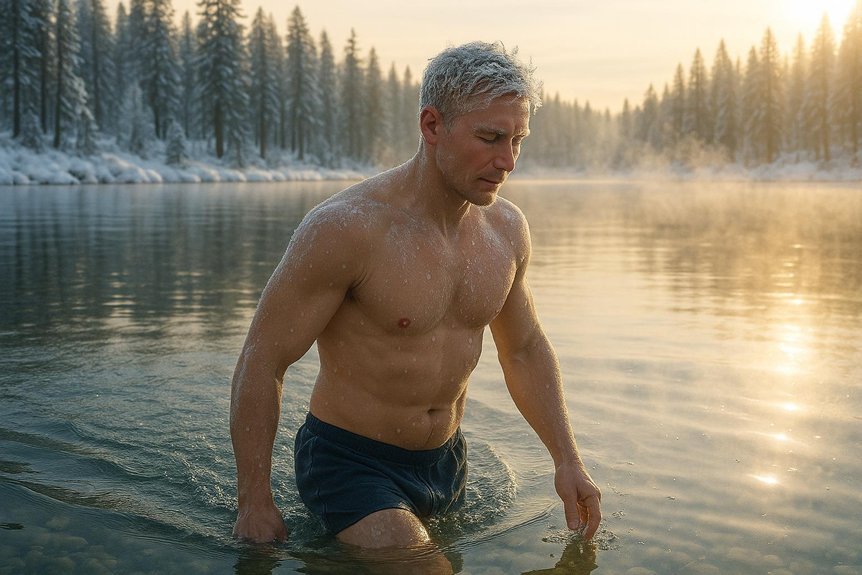
If you want faster recovery, sharper alertness, and measurable immune and vascular benefits, cold plunges deliver physiological effects that scientists have tracked—reduced tissue inflammation, vasoconstriction that limits swelling, and acute rises in norepinephrine and leukocyte activity that boost mood and defense. You’ll learn practical protocols, safety limits, and how frequency and timing shape outcomes, so you can decide whether to add cold immersion to your routine and how to do it right.
Key Takeaways
- Cold immersion reduces muscle inflammation and soreness, speeding acute recovery after endurance or intense workouts.
- Brief cold exposure increases norepinephrine and endorphins, improving mood, alertness, and reducing mild depression symptoms.
- Vasoconstriction then rewarming boosts circulation, flushing metabolic waste and aiding tissue repair.
- Regular cold sessions raise certain immune markers (leukocytes, NK cell activity) and modulate inflammatory responses.
- Initial cold shock raises heart rate and breathing; gradual progression and medical clearance are essential for safety.
What Happens to Your Body During a Cold Plunge
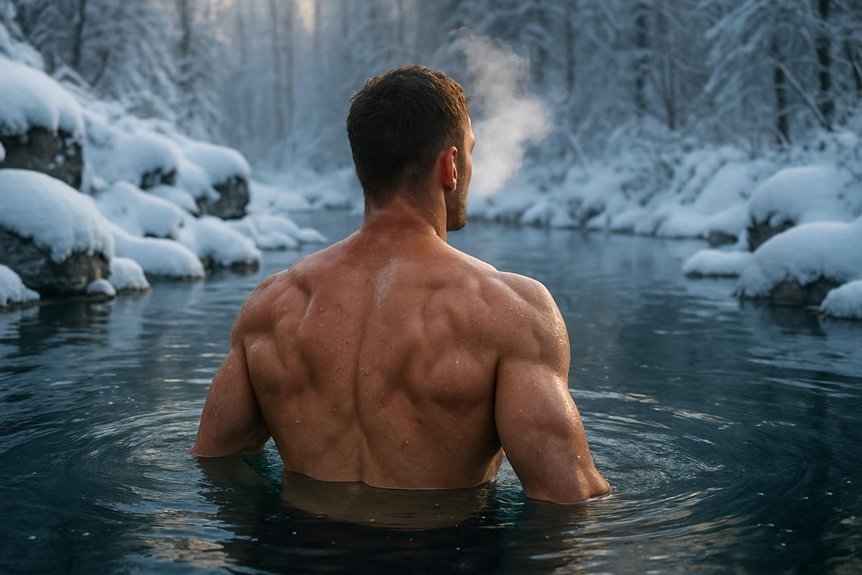
Although the initial shock of cold water can make you gasp, your body immediately activates a series of coordinated physiological responses designed to protect core temperature and preserve crucial function. You’ll feel rapid skin vasoconstriction as blood is shunted from extremities to critical organs, which reduces heat loss and stabilizes internal temperature. Your breathing rate spikes briefly, triggering increased oxygen intake and a sympathetic nervous system surge that raises heart rate and alertness. Over the next minutes, thermogenic mechanisms like shivering and non-shivering thermogenesis increase metabolic heat production. Endocrine responses release catecholamines and cortisol, mobilizing energy substrates and sharpening focus. Sensory nerve endings respond to cold, altering pain perception and sensory processing, while circulation gradually adapts if exposure continues.
Reduced Inflammation and Faster Muscle Recovery
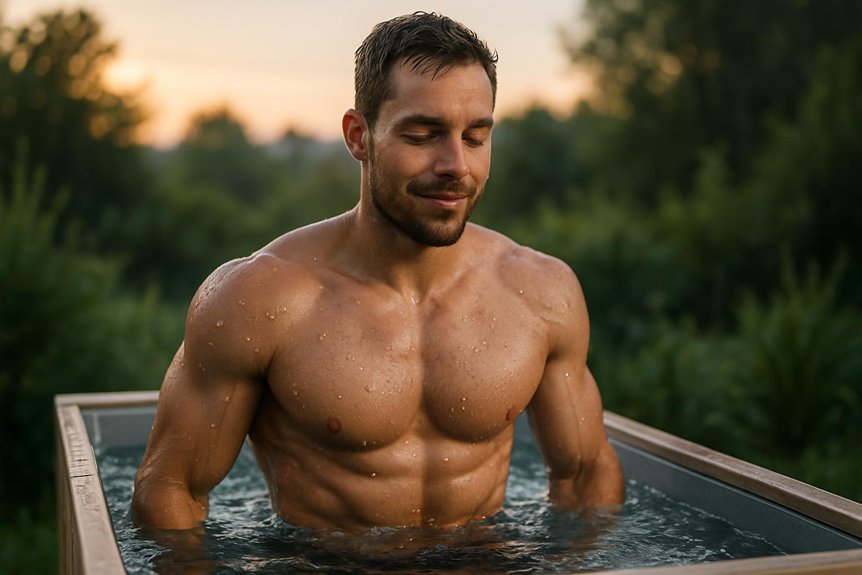
After the initial circulatory and hormonal responses to cold, your body also mounts processes that directly affect inflammation and muscle repair. Cold immersion lowers tissue temperature and constricts blood vessels, which reduces swelling by limiting fluid leakage into damaged tissues. As you rewarm, vessels dilate, flushing metabolic waste and delivering oxygen and nutrients that support recovery. Cold exposure also slows nerve conduction, easing pain signals so you feel less soreness after intense exercise. Studies show shorter recovery times and reduced markers of muscle damage when cold is applied appropriately, though timing and duration matter. Use brief, controlled plunges—typically under 15 minutes at moderate cold—to gain anti-inflammatory benefits without impairing long-term training adaptations.
Cold Exposure and Immune System Activation
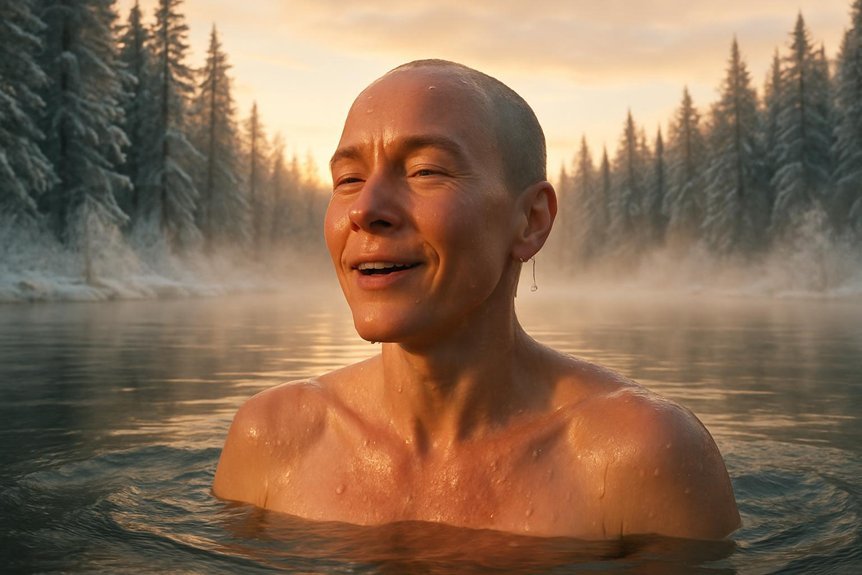
When you regularly expose yourself to cold water, your immune system responds in measurable ways, activating both immediate defenses and longer-term adjustments that can influence illness risk and recovery; this response involves hormonal shifts, changes in white blood cell activity, and modulation of inflammatory signaling. You’ll see short-term increases in circulating leukocytes and natural killer cell activity after repeated cold exposures, which may enhance early pathogen detection. Cold stress also raises norepinephrine and cortisol transiently, shaping immune trafficking and reducing certain inflammatory markers over time. Regular, controlled cold plunges can prime innate immune readiness while helping resolve excessive inflammation, though effects vary by duration, temperature, and individual health. Always balance potential benefits with safety and consult a clinician if you have immune or cardiovascular conditions.
Mental Health Effects: Mood, Stress Resilience, and Alertness
Because cold plunges trigger a cascade of physiological signals that reach your brain within seconds, they can produce noticeable changes in mood, alertness, and how you handle stress; the shock of cold water prompts a rapid rise in norepinephrine and endorphins, sharpens sensory focus, and activates networks involved in arousal and attention. When you routinely expose yourself to cold, studies show reduced symptoms of mild depression and anxiety for some people, likely from repeated boosts in neurotransmitters and improved regulation of stress pathways. You’ll often feel immediate clarity and heightened wakefulness, plus a calmer baseline after repeated sessions. Start gradually, monitor your reactions, and combine plunges with breathing and recovery practices to build resilience without risking excessive strain.
Circulation, Vascular Health, and Cold-Induced Vasoconstriction
Although the immediate sting of cold water feels sharp at the skin, it sets off a coordinated vascular response that noticeably alters circulation and can benefit long‑term vascular health, if you practice it safely and consistently. You’ll experience rapid vasoconstriction in peripheral vessels, which redirects blood toward core organs and raises central blood pressure temporarily, then a rebound vasodilation when you warm up, improving microvascular function over time. Repeated exposures can enhance endothelial function, increase nitric oxide availability, and improve arterial compliance, which helps regulate blood flow and pressure. That said, people with cardiovascular disease or uncontrolled hypertension should consult a clinician before trying cold plunges, start gradually, and monitor symptoms to confirm the practice supports rather than stresses vascular health.
Hormonal Responses: Noradrenaline, Endorphins, and Metabolic Shifts
The vascular shifts you just read about trigger a cascade of hormonal and metabolic responses that reshape how your body reacts to cold stress. When you immerse in cold water, your sympathetic nervous system ramps up and the adrenal medulla releases noradrenaline, which narrows peripheral vessels, raises alertness, and increases heart rate variability briefly. Simultaneously, your brain secretes endorphins and enkephalins that blunt pain and produce a mild euphoric lift, explaining why many people report exhilaration after a plunge. Metabolically, cold exposure stimulates brown adipose tissue activity and increases non-shivering thermogenesis, boosting glucose and fatty acid uptake to generate heat. Repeated exposure appears to enhance these responses, improving cold tolerance and metabolic flexibility without replacing medical guidance for metabolic disorders.
Cold Plunges for Sleep Quality and Autonomic Balance
When you finish a cold plunge, your body doesn’t just feel invigorated — it begins a coordinated shift in autonomic balance that can promote deeper, more restorative sleep by lowering core temperature and calming sympathetic activity; this happens as vasoconstriction during immersion is followed by peripheral vasodilation and a drop in core heat, signaling to your brain that it’s time to wind down, while simultaneous increases in parasympathetic tone and reductions in circulating catecholamines help slow heart rate and reduce nighttime arousal. You may find falling asleep easier and staying asleep longer after regular, timed exposures, as heart-rate variability often improves and subjective sleep quality rises. Research suggests modest improvements, though individual responses vary, so track patterns and recovery to judge benefit.
Practical Safety Guidelines and Best Practices
Because cold plunges push your body into a strong physiological response, you should approach them with clear safety rules and sensible preparation so you get benefits without unnecessary risk. Start by checking with your healthcare provider if you have heart disease, high blood pressure, diabetes, or any circulation or respiratory issues, and avoid plunges during acute illness. Always enter slowly, use a buddy or supervision, and limit exposure until you know your tolerance; cold shock can cause gasping, dizziness, or fainting. Warm up gradually afterward with dry clothes and warm drinks, not hot showers immediately, to prevent rapid vascular shifts. Monitor skin and cognitive signs of numbness or confusion, and stop if symptoms worsen. Use clean, well-maintained water and safe accessibility features like non-slip surfaces.
How Often and How Long: Evidence-Based Protocols
After you’ve covered safety steps and learned your individual responses to cold stress, you’ll want clear guidance on how often and how long to practice cold plunges to get benefits without undue risk. Start conservatively: 2–3 sessions per week, 2–5 minutes per session at 10–15°C (50–59°F) for general recovery and mood effects. For acute inflammation or performance recovery, studies often use daily exposure or every-other-day sessions, typically 5–10 minutes, but only after monitoring tolerance and cardiovascular response. Adaptation occurs over weeks, so increase duration by 30–60 seconds per session or add one session weekly, watching for adverse signs. Long-term maintenance may be 2–4 sessions weekly. Always prioritize gradual progression and individual variability.
Combining Cold Plunges With Exercise and Other Recovery Modalities
When you plan cold plunges around workouts, timing matters: short, cool immersions right after intense strength sessions can blunt inflammation without completely stopping long-term adaptation, while colder or longer exposures may be better reserved for pure recovery days. You can also pair a plunge with massage or foam rolling to combine reduced swelling and improved circulation, but you should space aggressive cooling and deep tissue work so each treatment has its effect. Think of cold plunges as one tool in your recovery toolbox, and experiment with order and duration to find what helps you train harder and recover faster.
Timing With Workouts
If you want to get the most from cold plunges alongside your workouts, timing matters because the physiological effects of cold exposure interact with the body’s natural repair and adaptation processes. You should avoid immediate cold immersion after strength training if your goal is muscle growth, since cold reduces inflammation and can blunt anabolic signaling and hypertrophy. For recovery and reducing soreness after intense sessions, a cold plunge within a few hours can help, especially when performance isn’t being prioritized shortly after. For endurance workouts, brief cold exposure post-session can lower perceived exertion and speed recovery for subsequent training. Use cold sessions strategically: reserve immediate plunges for acute recovery, delay when seeking long-term adaptation, and combine with active cooldowns to maintain circulation.
Pairing With Massage
Building on how timing with workouts affects recovery, pairing cold plunges with massage creates a complementary approach that can amplify circulation, reduce soreness, and help reset muscle tension. You can use a cold plunge before massage to reduce inflammation and numb acute pain, which helps your therapist work deeper without triggering excessive discomfort. Alternatively, post-massage plunges may lock in benefits by constricting capillaries, limiting inflammatory rebound, and stabilizing tissue after manual release. Aim for moderate durations—short, repeated immersions often beat long exposure—and communicate with your therapist about timing, pressure, and any medical issues. If you have cardiovascular concerns, Raynaud’s, or uncontrolled hypertension, consult a clinician first. When applied thoughtfully, combined use supports efficient, evidence-informed recovery.
FAQ
Can Cold Plunges Help With Chronic Pain Conditions Like Fibromyalgia?
FAQ 1: Can cold plunges help alleviate fibromyalgia symptoms?
Yes, cold plunges may provide relief for some individuals with fibromyalgia by reducing inflammation, easing muscle tension, and triggering endorphin release. However, responses can vary from person to person.
FAQ 2: How do cold plunges work for chronic pain?
Cold plunges can help by constricting blood vessels, which reduces inflammation and swelling, and by promoting the release of endorphins that can act as natural painkillers. This can lead to temporary relief from pain and discomfort.
FAQ 3: Should I combine cold plunges with other treatments for fibromyalgia?
Yes, it’s important to integrate cold plunges with medical advice and other treatments. While they may offer temporary relief, a comprehensive approach will likely yield better long-term results.
Are Cold Plunges Safe During Pregnancy?
FAQ: Is it safe to use cold plunges during pregnancy?
No, cold plunges are not recommended during pregnancy without the approval of your healthcare provider. Rapid temperature changes can cause stress to both you and the fetus.
FAQ: What are the risks of cold plunges during pregnancy?
Cold plunges can lead to vasoconstriction, which may negatively impact blood flow and oxygen delivery to the fetus. It’s crucial to prioritize safety and seek medical advice before considering any temperature extremes.
FAQ: What should I do if I want to try cold therapy during pregnancy?
If you’re interested in cold therapy, consult your clinician first. They can provide personalized guidance and determine what methods, if any, are safe for your specific situation.
Do Children and Teenagers Benefit From Cold Plunges?
FAQ: Do children and teenagers benefit from cold plunges?
Yes, kids and teens can experience some benefits from brief, supervised cold plunges, such as improved recovery and enhanced mood.
FAQ: Are cold plunges safe for all children and teenagers?
No, cold plunges are not safe for everyone. It’s important to consult a pediatrician before allowing children or teens to participate.
FAQ: How long should children and teenagers stay in cold water?
Prolonged exposure to cold water should be avoided. Brief sessions are recommended to prevent potential health risks.
FAQ: What should I watch for during cold plunges?
Closely monitor for any signs of breathing or circulation problems while children and teens are in cold water. If any issues arise, remove them from the cold water immediately.
Can Regular Cold Plunges Affect Fertility or Hormonal Cycles Long-Term?
FAQ: Can regular cold plunges impact fertility?
Moderate use of cold plunges is unlikely to cause significant long-term harm to fertility. However, intense or chronic exposure may temporarily suppress reproductive hormones, so caution is advised.
FAQ: How do cold plunges affect hormonal cycles?
While cold plunges can provide benefits, excessive or prolonged exposure might lead to disruptions in hormonal cycles. It’s essential to monitor your body’s response and adjust accordingly.
FAQ: Should I consult a doctor about cold plunges if I plan to conceive?
Yes, if you have concerns about fertility or are planning to conceive, it’s wise to consult a healthcare professional regarding your cold plunge routine. They can provide personalized guidance based on your health and circumstances.
What Equipment or Gear Enhances Safety and Comfort During a Plunge?
FAQs on Equipment or Gear for Safe and Comfortable Plunges
What type of plunge pool is recommended for safety?
A sturdy tub or plunge pool is essential to ensure stability and prevent accidents. Look for designs with non-slip surfaces to reduce the risk of slipping during your plunge.
How can I maintain comfortable water temperature?
Using a thermometer helps monitor the water temperature, while an insulated cover can keep the water warm when not in use. This ensures a comfortable experience and reduces the risk of hypothermia.
What additional gear can enhance my safety during a plunge?
Wearing neoprene booties and gloves can protect your extremities from cold temperatures, while earplugs can help minimize discomfort from the cold water. It’s also wise to have a timer to monitor your plunge duration.
Why is it important to have a companion during a plunge?
Having a companion, especially one trained in CPR, adds an important layer of safety. They can provide assistance if needed and ensure that help is readily available in case of an emergency.
Final Thoughts
You’ll find cold plunges can be a practical, science-backed tool to speed muscle recovery, lower inflammation, and sharpen mood and alertness, when you use them safely and consistently. Start gradually, follow time and temperature guidelines, and combine cold immersion with other recovery methods like active rest and proper nutrition to maximize benefits. If you have cardiovascular or metabolic concerns, consult a clinician first so you can adopt protocols that support both performance and long-term health.