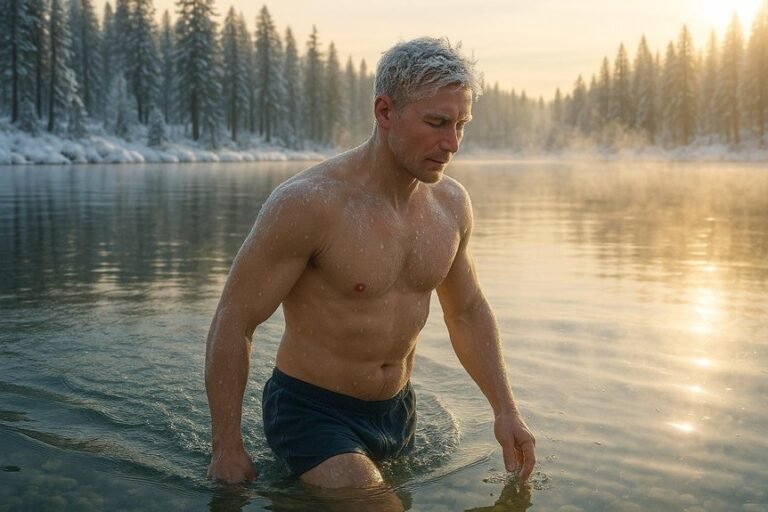
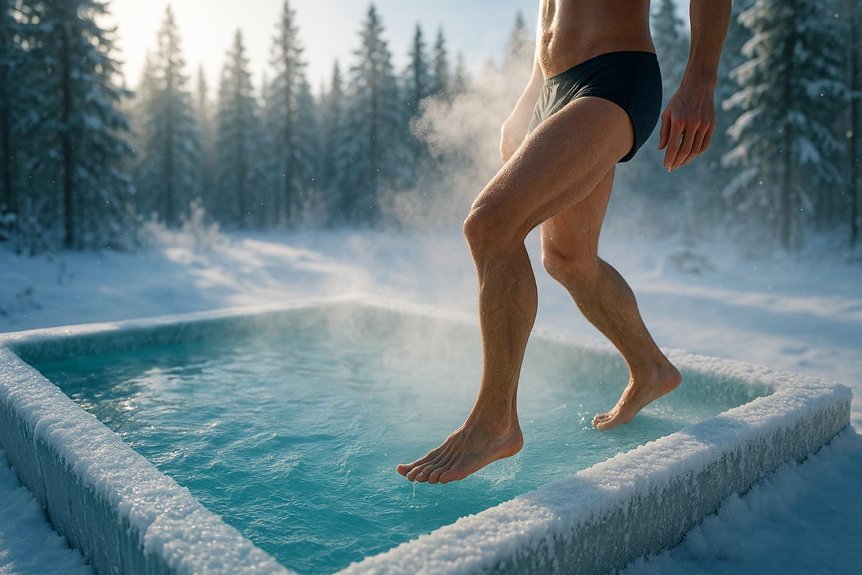
If you’re thinking about a cold plunge, the water temperature matters more than you might expect because it changes how your body responds—circulation, inflammation, and recovery all shift with just a few degrees. For most recovery goals, 10–15°C (50–59°F) strikes a good balance between effectiveness and safety, while 4–10°C (39–50°F) delivers a stronger stimulus but adds cardiovascular stress. Start warmer and progress slowly, and keep safety checks in mind as you consider the next steps.
Key Takeaways
- For beginners, start at 10–15°C (50–59°F) for brief exposures to gain recovery benefits with lower risk.
- For post-intense training recovery, 10–15°C balances vasoconstriction and reduced muscle soreness without excessive cardiovascular strain.
- For performance, alertness, and cold adaptation, try 4–10°C (39–50°F) with gradual progression and shorter durations.
- Near-freezing (0–4°C) yields strong analgesic and anti-inflammatory effects but carries higher stress and safety risks.
- Always match temperature and duration to goals, experience, and health status, monitor symptoms, and use a safety spotter.
Why Water Temperature Matters for Recovery and Performance
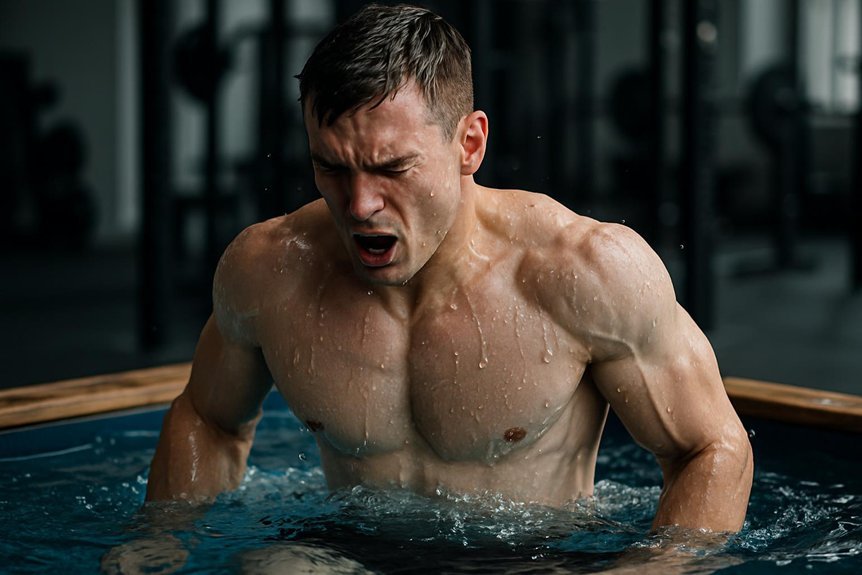
Because your body reacts differently to varying temperatures, the exact degree of cold in a plunge can shape how well you recover and perform, not just how it feels. You’ll find that water temperature influences circulation, inflammation, and nervous system responses, so choosing an appropriate level matters. Colder water drives vasoconstriction, which can reduce swelling and blunt soreness after intense activity, while milder cold supports gradual cooling and comfort for longer sessions. Temperature also affects how quickly you adapt and how your muscles regain function, so timing and duration must match goals—acute pain relief versus endurance recovery, for example. By understanding these mechanisms, you’ll make evidence-informed choices that balance safety, benefit, and practical use in training routines.
Temperature Ranges: What Different Degrees Do to Your Body
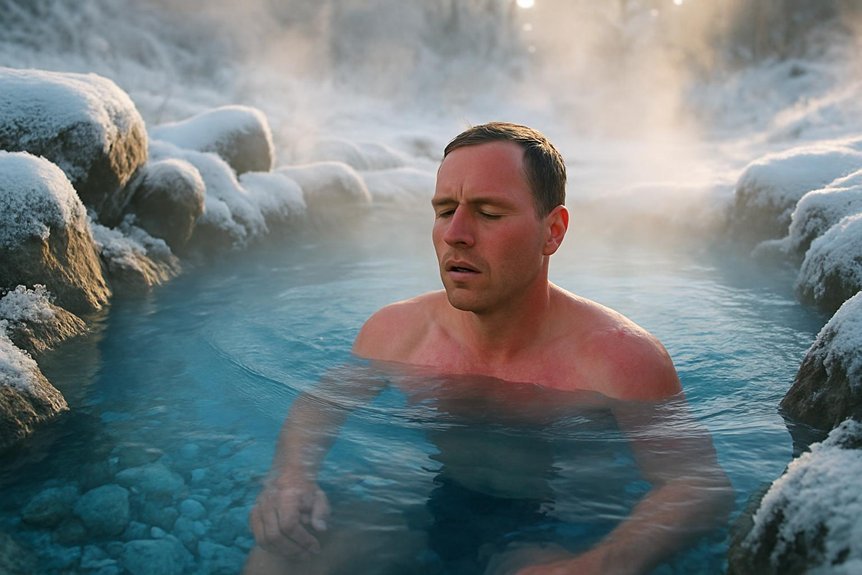
While small changes in degrees might seem trivial, each temperature band in a cold plunge produces distinct physiological effects that matter for recovery and performance. At milder cold (15–20°C / 59–68°F), you’ll feel brisk cooling that improves circulation and reduces surface inflammation with minimal shivering, suitable for short sessions. Moderate cold (10–15°C / 50–59°F) triggers stronger vasoconstriction, decreases metabolic rate, and encourages deeper anti-inflammatory responses while raising heart rate variability. Severe cold (0–10°C / 32–50°F) provokes intense sympathetic activation, rapid skin cooling, and shivering thermogenesis, which can dramatically increase stress hormones and pain tolerance. Temperatures near freezing produce the strongest analgesic and anti-inflammatory effects but also the highest cardiovascular strain, so you should respect limits and monitor your body’s signals closely.
Matching Temperature to Your Goals and Experience
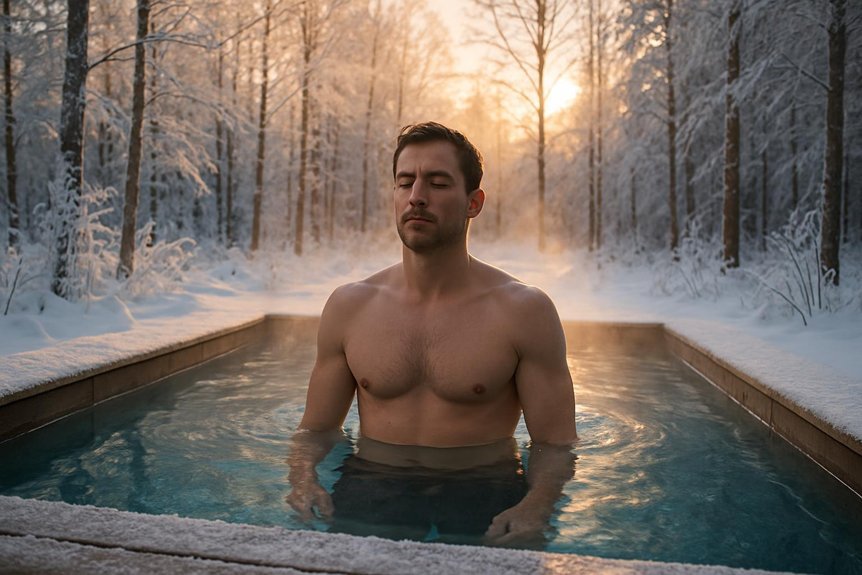
As you decide what temperature to use for your cold plunge, match the water to both your goals and your experience so you get benefits without unnecessary risk. If your aim is recovery after intense training, slightly warmer ranges (around 10–15°C / 50–59°F) give vasoconstriction and reduced inflammation without excessive shock, letting you stay in longer for consistent effects. For boosting alertness or building cold tolerance, colder water (around 4–10°C / 39–50°F) produces a stronger sympathetic response and faster adaptation, but it’s more demanding physically and mentally. Beginners should prioritize shorter exposure at milder temperatures to learn signs of overcooling, while experienced users can experiment with colder settings and longer durations to target specific physiological or psychological outcomes.
Safety Guidelines and How to Progress Gradually
When you approach cold plunging safely, you’ll get benefits without unnecessary risk, so start with clear rules and a gradual plan that matches your fitness, health status, and experience. First, consult a healthcare professional if you have cardiovascular, respiratory, or circulation issues, or if you’re pregnant; clearance avoids surprises. Begin with milder temperatures (around 50–59°F / 10–15°C) and short exposures, 30–60 seconds, then add time in 15–30 second increments across sessions. Track how you feel: shivering, numbness, dizziness, or prolonged breathlessness are signs to stop. Never plunge alone; have a spotter or safety system and set a maximum time limit. Gradually lower temperature only after you tolerate longer duration, and combine cold with proper warm-up and post-plunge recovery.
Practical Tips for Setting Up and Maintaining Your Plunge
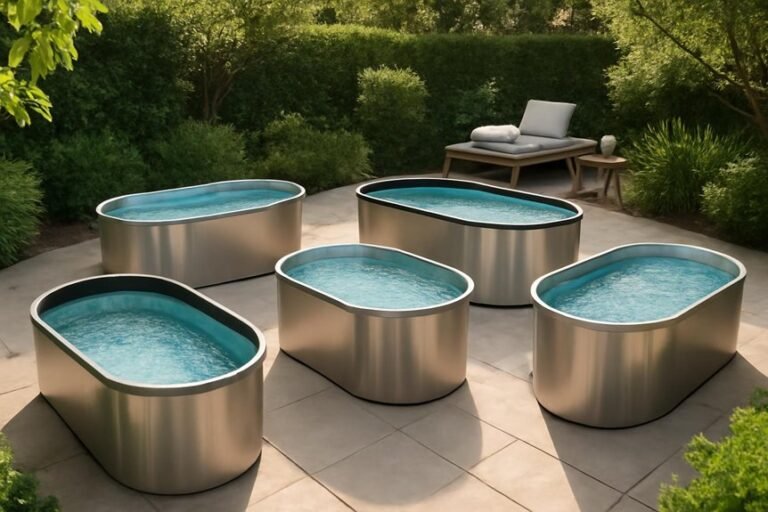
Because a good plunge starts with thoughtful planning, set up and maintenance matter just as much as temperature and timing — they keep you safe, extend equipment life, and make the habit sustainable. Choose a location with level ground, drainage, and easy access to a power source; indoors or on a covered deck works best to protect equipment and reduce debris. Invest in insulation, a cover, and a reliable chiller or thermostat to maintain target temperatures efficiently. Establish a cleaning routine: test pH and sanitizer levels, skim debris daily, and perform weekly deep cleans and filter changes. Keep a first-aid kit, timer, and non-slip mats nearby. Log maintenance tasks and temperatures so you can spot trends early and avoid costly repairs.
FAQ
Can Cold Plunges Aid Weight Loss or Fat Burning?
Can cold plunges aid in weight loss?
Yes, cold plunges can assist with weight loss by slightly boosting metabolism and activating brown fat. However, they should be viewed as a supplement to a healthy lifestyle rather than a primary weight loss method.
How do cold plunges affect metabolism?
Cold exposure from plunges can increase metabolic rate as the body works to maintain its core temperature. This process can help in burning calories, but the effect is modest compared to diet and exercise.
Is cold exposure effective for fat burning?
Cold plunges can activate brown fat, which is known to burn calories for heat. While this may aid in fat burning, it is not a substitute for regular physical activity and a balanced diet.
What lifestyle changes are necessary for sustainable weight loss?
For meaningful and sustainable weight loss, it’s essential to combine cold plunges with a healthy diet and regular exercise. Consistency in these lifestyle changes is key for long-term results.
How Long After Exercise Should You Wait Before Plunging?
FAQ 1: How soon can I plunge after light exercise?
You can plunge almost immediately after light exercise, as it generally doesn’t cause significant inflammation.
FAQ 2: How long should I wait to plunge after intense strength training?
It’s recommended to wait 1–2 hours after intense strength training to allow inflammation and muscle repair to begin.
FAQ 3: What should I do if I’m unsure about when to plunge?
If you’re uncertain, it’s best to wait 30–60 minutes after your workout, focusing on hydration and a gentle cooldown to prepare your body for plunging.
Can Cold Plunges Improve Sleep Quality?
FAQ: How can cold plunges improve sleep quality?
Cold plunges can enhance sleep by lowering your core body temperature and reducing stress hormones. These physiological changes may lead to deeper sleep.
FAQ: When is the best time to take a cold plunge for sleep benefits?
For optimal sleep benefits, it’s recommended to take a cold plunge 60–90 minutes before bedtime. However, individual responses may vary, so personal timing should be considered.
FAQ: Are there any risks associated with cold plunges before sleep?
While cold plunges can promote better sleep, they may not be suitable for everyone. It’s important to listen to your body and consult with a healthcare professional if you have underlying health concerns.
Are There Medical Conditions That Completely Prohibit Plunging?
FAQs About Medical Conditions That Prohibit Plunging
1. What medical conditions completely prohibit plunging?
Certain conditions such as unstable heart disease, recent heart attacks, uncontrolled hypertension, severe Raynaud’s, and pregnancy with complications can completely prohibit plunging. It’s crucial to consult your doctor before engaging in any plunging activities.
2. Why is unstable heart disease a concern for plunging?
Unstable heart disease can lead to serious complications during plunging, as the sudden change in temperature and stress on the cardiovascular system may trigger adverse events. Therefore, it’s essential to avoid plunging if you have this condition.
3. Are there any risks for pregnant individuals considering plunging?
Yes, pregnant individuals with complications should avoid plunging due to potential risks to both the mother and the baby. Always consult with a healthcare provider to assess safety before considering plunging while pregnant.
Do Electrolytes or Supplements Affect Cold-Plunge Tolerance?
Do electrolytes impact cold-plunge tolerance?
Yes, electrolytes like sodium, potassium, and magnesium help maintain hydration, blood pressure, and muscle function, which can enhance your tolerance during cold plunges.
How do supplements affect cold-plunge performance?
Certain supplements, particularly stimulants or vasodilators, can alter your body’s response to cold exposure. It’s important to adjust your intake of these substances carefully to avoid negative effects.
What should I focus on for optimal cold-plunge tolerance?
Prioritize staying hydrated with electrolytes and be mindful of any supplements you take, as they can significantly influence your experience and adaptation to cold plunges.
Final Thoughts
You’ll want to tailor your cold plunge to your goals and experience: aim for 10–15°C (50–59°F) for routine recovery, or 4–10°C (39–50°F) if you’re pursuing increased alertness and tolerance, but only with careful monitoring. Start warmer, shorten exposures, and progress gradually as your comfort and cardiovascular response allow. Always prioritize safety—know your limits, have supervision for extreme cold, and maintain consistent water quality and temperature control for reliable, effective results.