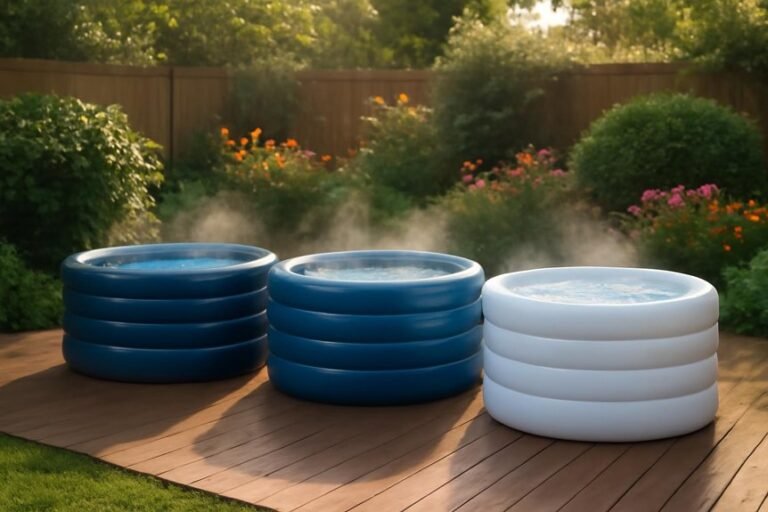
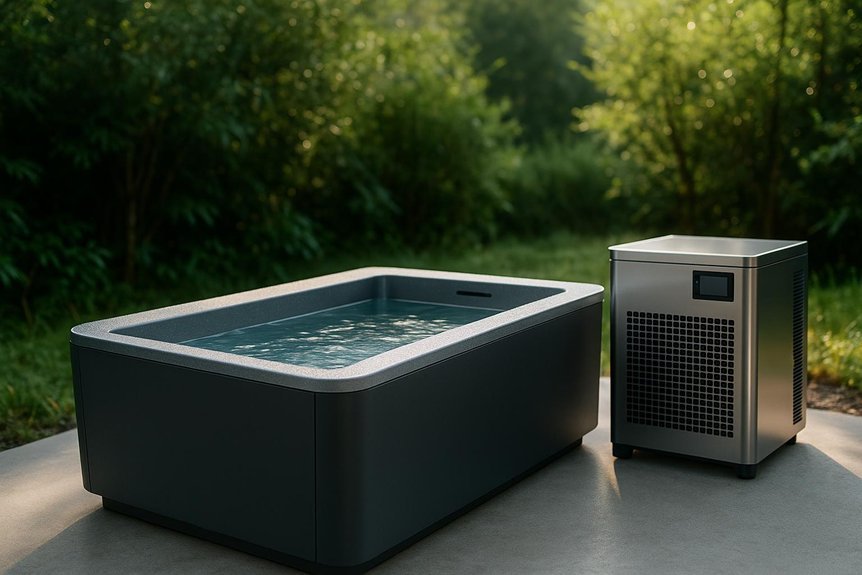
If you want consistent, really cold water and plan to use a plunge often or with multiple people, a chiller can make a big practical difference — it cools and recovers temperature quickly, reduces reliance on cold tap water, and helps control bacterial growth; but in cool climates, for occasional use, or with small tubs, you might manage without one. Keep in mind cost, space, and maintenance, and consider options before deciding.
Key Takeaways
- A chiller is useful when you need consistent, near-freezing temperatures for regular or multiple-user cold plunge sessions.
- For occasional or short cold plunges, ice or cold tap water often provides adequate cooling without a chiller.
- Climate, tub size, and usage frequency determine whether a chiller is necessary to maintain target temperatures.
- Chilllers add upfront, installation, and ongoing energy costs, so weigh benefits against budget and usage.
- Passive methods (insulation, shade) and portable coolers can reduce cooling needs before choosing a chiller.
What a Chiller Does and How It Works
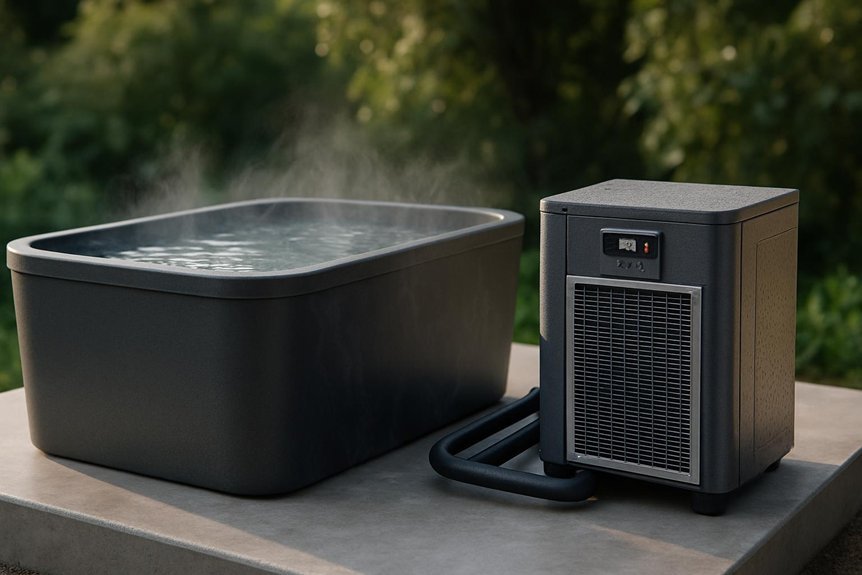
Because maintaining a consistent, near-freezing temperature is essential for an effective cold plunge, a chiller acts as the system’s heart, removing heat from the water and cycling cooled fluid back into the tub. You’ll see a pump move water through a heat exchanger where a refrigerant absorbs heat, compresses, condenses, and releases that heat outside the unit, then expands and cools to repeat the cycle. Controls monitor temperature and adjust compressor speed or cycle times, keeping swings minimal so your sessions stay predictable. Filtration often pairs with chilling to keep the water clean while preventing blockages that would reduce efficiency. You’ll appreciate that well-sized chillers maintain setpoints reliably, making routine maintenance and proper airflow important for long service life.
When a Chiller Is Worth the Investment
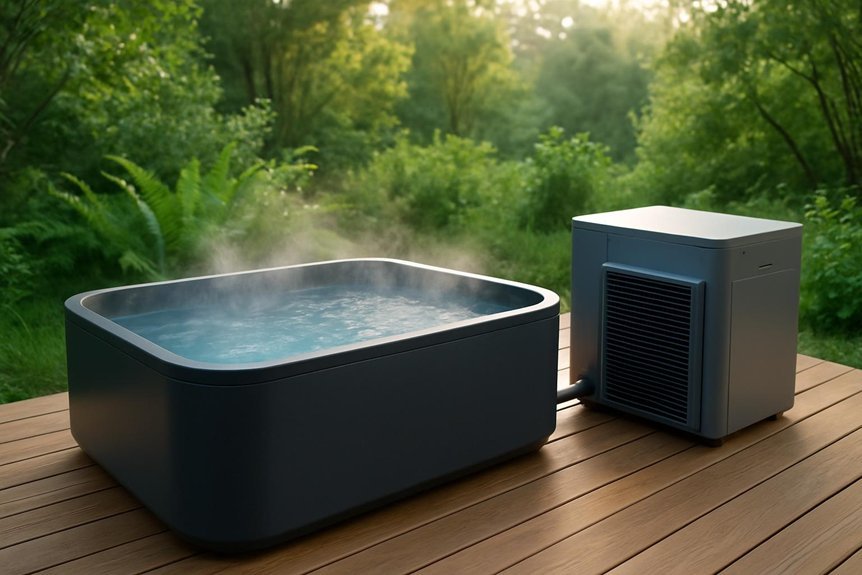
When you want precise, reliable temperatures for regular cold plunge use, investing in a chiller often pays off because it removes the guesswork and keeps water consistently cold even as ambient conditions change. You should consider a chiller when you use the plunge frequently, host multiple users, or aim for specific therapeutic temperatures that passive methods can’t maintain. Expect faster recovery between sessions and greater control over temperature variability, which matters for consistency in training or recovery protocols. Evaluate energy costs, space for installation, and initial expense against the value of convenience and predictable results. For athletes, clinics, or committed enthusiasts, the operational reliability and time savings usually justify the purchase, provided you choose the right capacity and reliable service support.
Situations Where a Chiller Is Unnecessary
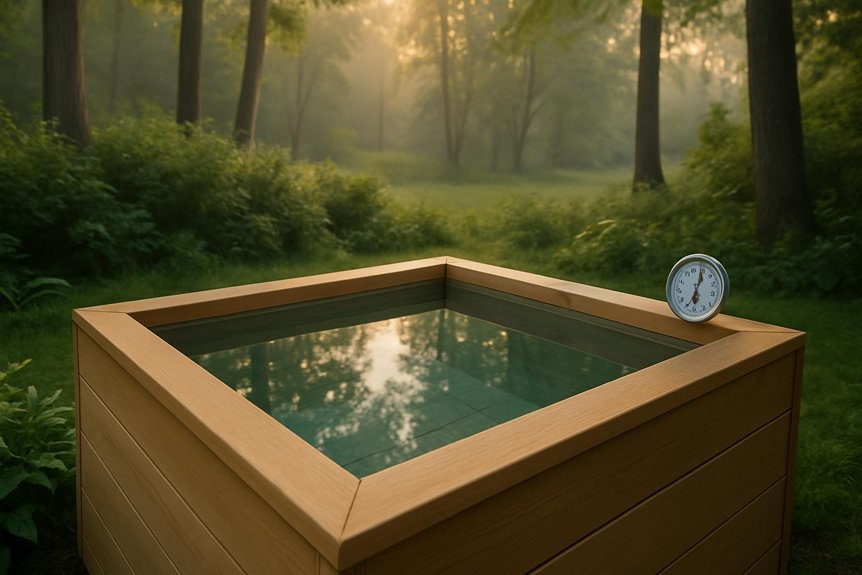
You don’t always need a chiller to get effective cold-plunge sessions; for many people, cold tap water can reach suitably brisk temperatures if your plumbing runs cool and you only need mild chills. If you plan short, occasional sessions it’s often practical to use bags of ice to lower the temperature briefly, saving the expense and maintenance of a chiller. Likewise, when outdoor winter conditions already keep water consistently cold, you can rely on ambient temperatures rather than investing in refrigeration equipment.
Cold Tap Suffices Sometimes
A cold tap can often meet your needs without the complexity or cost of a dedicated chiller, especially if your goals are modest and your setup is simple. If you live in a cool climate or have reliable access to naturally cold mains water, you can fill a plunge tub to comfortable temperatures without extra equipment. You’ll save on upfront expense, installation, and ongoing electricity use, and maintenance stays straightforward. This approach works best for short, regular dips where precise temperature control isn’t essential; you can still monitor with a simple thermometer and adjust timing to catch cooler water. Be mindful of local water temperatures, seasonal shifts, and any plumbing limitations, and always prioritize safety when planning your cold-water routine.
Ice-Only Short Sessions
If filling from a cold tap doesn’t fit your routine but you only need brief sessions, using bagged or block ice can be a simple, effective solution that avoids buying a chiller. You can lower water temperature quickly by adding ice to reach a target range for 5–15 minute dips, which suits many recovery or invigorating uses. Measure ice volume relative to tub size, monitor temperature with a thermometer, and add ice gradually to avoid overshooting your comfort zone. This approach keeps costs low, requires no installation, and is easy to scale for occasional use. Be mindful of meltwater dilution, sanitation, and storage logistics; plan where you’ll buy, store, and discard used ice to keep the process practical and safe.
Ambient Winter Use
Many people find that winter’s naturally low temperatures let them use a cold plunge without installing a dedicated chiller, especially when outdoor tub water can routinely sit in the 35–50°F (2–10°C) range; by placing your plunge outdoors or in an unheated space and timing sessions for the coldest part of the day, you can rely on ambient conditions to maintain suitably chilly water for regular immersion. You should monitor local lows, since a few nights above freezing will warm your tub, and wind or sun exposure changes temperature fast. Insulate or cover the plunge between uses to preserve cold, and consider a simple thermometer and a removable lid. For most winter users who take short, frequent dips, a chiller isn’t necessary.
Factors That Influence Chiller Need (Climate, Tub Size, Usage)
Your local climate plays a big role in whether you’ll need a chiller, since warmer, humid regions make it harder to reach and maintain cold plunge temperatures. Tub capacity matters too: larger volumes of water take longer to cool and require more powerful equipment, while smaller tubs can often stay cold with passive cooling or simple chillers. Finally, how often and how many people use the plunge affects heat load and recovery time, so consider typical usage patterns when deciding on a chiller.
Local Climate Conditions
Because outdoor temperature, tub volume, and how often you plan to use the plunge all interact to determine how quickly water warms, you’ll want to take into account local climate conditions when deciding whether a chiller is necessary. If you live in a hot, humid region where daytime highs regularly climb above desired plunge temperatures, a chiller will likely be essential to maintain consistent cold. In milder or cooler climates, natural ambient temperatures can help preserve low water temps, reducing reliance on mechanical cooling. Wind, sun exposure, and seasonal swings matter too: direct sun and still air raise water temperature faster, while shaded, breezy spots slow warming. Assess average highs, humidity, and seasonal variation to judge whether passive measures will suffice or if a chiller is warranted.
Tub Capacity & Usage
Climate and placement set the stage, but tub size and how you use the plunge largely determine whether a chiller will keep up. If you’ve got a small, 50–100 gallon tub and you’re the only regular user, the water will cool faster and a lower-capacity chiller can maintain target temperatures. Larger tubs or multiple back-to-back users demand more cooling power because body heat and frequent fills raise temperature. How often you drain, add cold water, or expose the tub to sun and wind also changes load calculations. Portable tubs lose temperature quicker than insulated, in-ground units, so budget a chiller with headroom for peak demands. Match chiller capacity (BTU or kW) to realistic usage patterns, and you’ll avoid underpowered systems and inconsistent cold plunges.
Alternatives to a Dedicated Chiller
If you’re considering a cold plunge but don’t want the expense or complexity of a dedicated chiller, several practical alternatives can still give you reliably cold water, each with trade-offs in cost, convenience, and temperature control. You can use ice—large blocks melt slower than cubes, so they maintain lower temperatures longer and reduce dilution—though frequent replenishment is needed for regular use. Connecting your plunge to a basement or garage cold water supply can lower starting temperature, but flow and seasonal variability matter. Portable refrigeration units or beverage coolers adapted with pumps offer mid-range control without full chiller systems, while passive methods like shade, insulation, and night-cooling can help maintain low temperatures with minimal equipment.
Cost, Installation, and Ongoing Maintenance Considerations
Planning for a cold plunge goes beyond the initial purchase price; you’ll need to weigh installation complexity, ongoing operating costs, and routine maintenance to get a realistic picture of total ownership. You should budget for professional installation if plumbing, electrical upgrades, or concrete work are required, since DIY fits can create safety or warranty issues. Expect chiller units to raise your electricity bill — energy-efficient models cost more up front but lower monthly expenses. Factor in filter replacements, sanitizers, and occasional pump or sensor repairs; these small items add up over a year. Seasonal maintenance, like winterizing or scale removal, takes time or paid service. Compare warranties, service plans, and local technician availability to avoid surprises and keep your plunge reliable.
FAQ
Can a Chiller Be Used With Saline or Saltwater Cold Plunges?
Can a chiller be used with saline or saltwater cold plunges?
Yes, a chiller can be used with saline or saltwater cold plunges, but it’s crucial to ensure the use of corrosion-resistant materials to prevent damage.
What precautions should be taken when using a chiller with saltwater?
To protect the chiller, install sacrificial anodes and conduct regular maintenance to monitor for salt damage and prolong the lifespan of the equipment.
How often should the cleaning schedule be adjusted for a saltwater chiller setup?
The cleaning schedule should be monitored and adjusted based on system performance and maintenance needs to ensure efficient operation and prevent buildup from salt exposure.
How Noisy Are Chillers During Operation?
FAQ
1. How loud are chillers during operation?
Chillers typically produce a low hum during operation, with occasional compressor cycles. The noise level can vary significantly depending on the model.
2. Do all chillers operate at the same noise level?
No, quality chillers tend to run quietly, while budget models may be noticeably louder, particularly during startup or under heavy load.
3. What should I consider regarding noise when purchasing a chiller?
When selecting a chiller, it’s important to compare decibel ratings to ensure the noise level meets your requirements, especially if the chiller will be placed in noise-sensitive areas.
Do Chillers Affect Water Chemistry or Sanitizer Needs?
Do chillers impact water chemistry?
Yes, chillers can lower the water temperature, which can affect water chemistry by slowing down the activity of sanitizers and potentially altering pH and dissolved oxygen levels.
How do chillers affect sanitizer needs?
With the temperature drop caused by chillers, sanitizer activity decreases, leading to a need for adjustments in sanitizer dosing to maintain effective water sanitation.
Should I monitor water chemistry more frequently with a chiller?
Yes, it’s important to monitor water chemistry more frequently when using a chiller to ensure that sanitizer levels remain safe and balanced for effective water treatment.
Can I Run a Chiller With a Portable Generator During Outages?
FAQ: Can I use a portable generator to run my chiller during a power outage?
Yes, you can run a chiller with a portable generator during outages, provided you have the right generator size and type. A stable-power generator is essential to avoid damaging the chiller’s compressor or controls.
FAQ: What should I consider when selecting a generator for my chiller?
When selecting a generator, ensure it is correctly sized to handle the chiller’s power requirements. Additionally, consider the generator’s stability to prevent inconsistent cooling.
FAQ: Is proper transfer and grounding necessary for running a chiller with a generator?
Yes, proper transfer and grounding are crucial to safely operate a chiller with a generator. This prevents electrical issues that could lead to equipment damage.
FAQ: How important is fuel management when using a generator for a chiller?
Fuel management is vital when using a generator for a chiller, as running out of fuel can cause the chiller to shut down unexpectedly, leading to potential cooling issues.
Are There Warranty or Insurance Implications for Installing a Chiller?
FAQ: How does installing a chiller affect warranties?
Installing a chiller can impact existing warranties. It is essential to review the manufacturer’s terms to ensure compliance, as improper installation or modifications might void warranties.
FAQ: Do I need to notify my insurer about the chiller installation?
Yes, it is crucial to inform your insurer about the chiller installation. Failing to do so could lead to reduced coverage for damage or liability related to the chiller.
FAQ: What should I ensure for professional installation?
Guaranteeing professional installation is vital to maintain warranties and avoid potential issues. Hire qualified technicians familiar with the chiller model and installation requirements to ensure compliance with manufacturer guidelines.
Final Thoughts
You don’t always need a chiller for a cold plunge, but you should consider one if you want consistent, repeatable temperatures, faster recovery after multiple uses, or precise control in warm climates. For occasional plunges or in naturally cold regions, tap water or passive cooling may work fine. Weigh factors like tub size, usage frequency, installation cost, and maintenance, and compare alternatives—ice, baths, or heat-exchange units—before deciding what fits your budget and goals.